
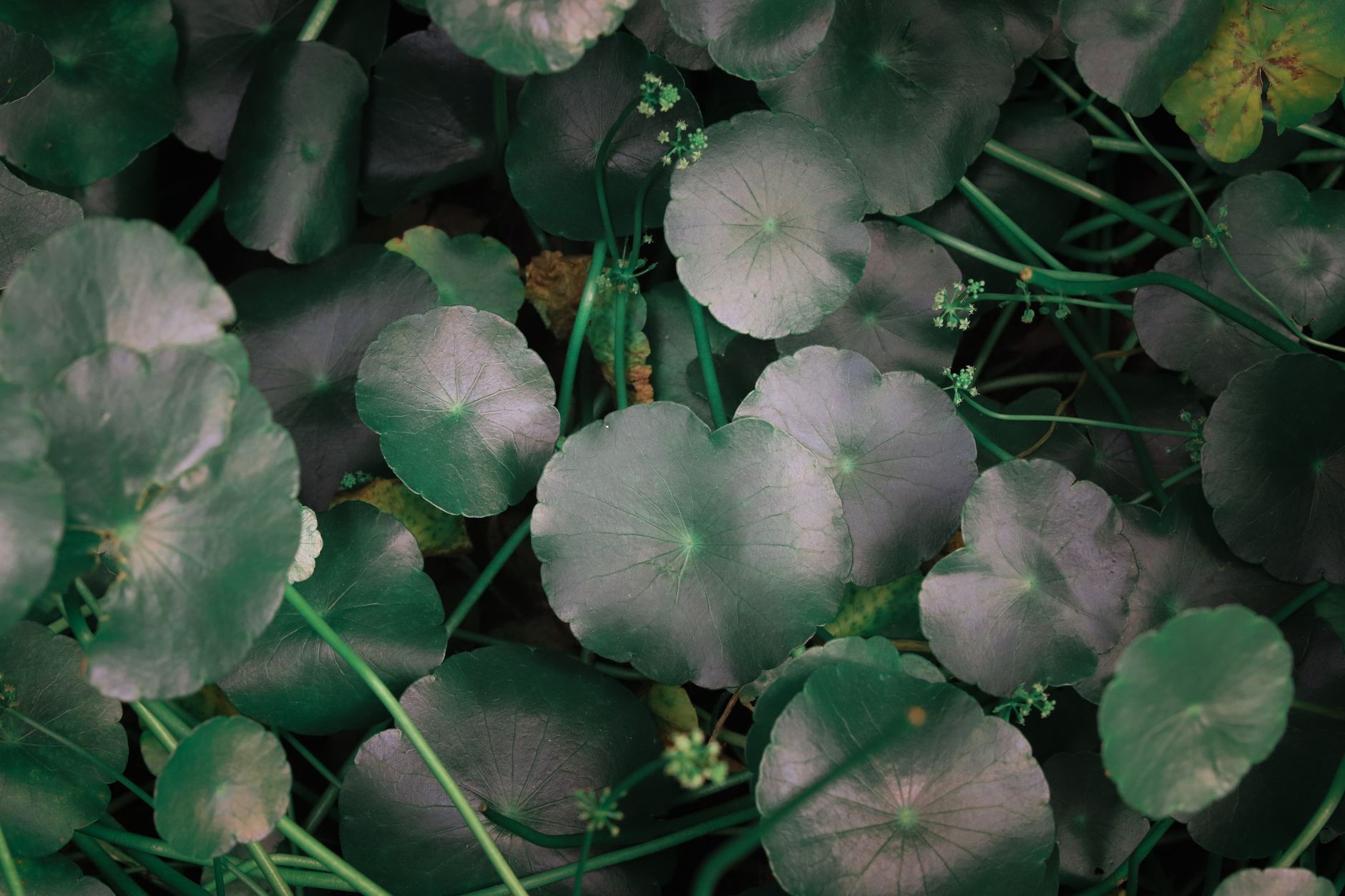
Centella asiatica research shows modest, early support for acne, post-acne marks, and healing after skin procedures. The overall effect on active breakouts looks small and best viewed as added context, not a replacement for proven care.
Centella asiatica, also called gotu kola or cica, is a leafy plant used in creams, gels, serums and oral supplements. A systematic review and meta-analysis reported a pooled mean reduction of 0.54 lesions favoring Centella across topical creams, gels and oral supplements, according to the Biomedical Journal of Scientific and Technical Research in the BJSTR meta-analysis. That result combines different products and study designs, so it describes a direction rather than a fixed benefit for any one formula.
Medical information disclaimer: This article is for general educational purposes only and does not provide medical advice, diagnosis, or treatment. Always consult a physician or other qualified health professional about symptoms, medications, tests, or treatment decisions.
Table of Contents
- What do acne trials show so far?
- How might it act on breakouts and marks?
- What about healing and barrier repair?
- Where are the gaps and safety notes?
What do acne trials show so far?
A 30-subject double-blind randomized placebo-controlled trial found 0.05 percent standardized Centella asiatica gel reduced redness, crusting and improved wound healing after ablative 2940-nm Er:YAG laser for acne scars, as summarized in a 2026 LipoTherapeia review of trials in the trial summary. The setting was recovery after a scar procedure, not daily treatment of new pimples. Faster-looking recovery matters because picking, peels, lasers and extractions all create small wounds.
A 56-day double-blind randomized trial in 51 subjects ages 16-26 with Fitzpatrick types IV-V found a serum with galactomyces ferment filtrate plus dexpanthenol plus Centella asiatica improved melanin, spots and redness from post-acne dark marks versus placebo, reported in the Journal of Clinical and Aesthetic Dermatology in the Medscape abstract. Dark marks often bother readers as much as bumps. The benefit came from a combination serum, so Centella alone did not get full credit.
How might it act on breakouts and marks?
Dermatology review reports asiatic acid and madecassic acid inhibit Cutibacterium acnes growth, suppress inflammatory signals and enzymes, and stimulate fibroblast collagen relevant to inflammatory lesions and scarring. Those three actions map to sore red bumps, lingering redness and pitted or raised scar texture. Collagen support is most relevant during healing, not for clearing clogged pores.
Titrated Centella extract containing asiaticoside attenuated NF-kB activation and lowered TNF-alpha, IL-6, IL-1beta, iNOS and COX-2 in a phthalic anhydride-induced allergic dermatitis animal model. Animal findings do not prove the same effect on human acne. They help explain why researchers keep testing Centella for red, inflamed skin.
What about healing and barrier repair?
A systematic review of four clinical wound-healing trials found Centella promoted faster wound contraction through increased collagen I, fibronectin, VEGF and FGF. Those proteins help close small wounds and rebuild surface tissue. For acne readers, the closest match is picked spots, healing procedure sites and residual marks.
This does not make Centella a scar eraser. It points to support for repair around breakouts rather than direct control of oil, clogged pores or bacteria. Products that pair Centella with moisturizers, sun protection or other repair ingredients fit this use better than harsh scrub or peel routines.
Where are the gaps and safety notes?
Most acne evidence is small, short, combination-product, laboratory or animal work with varied Centella doses and forms. There is no large head-to-head trial versus benzoyl peroxide, retinoids or antibiotics. A reader with mild blackheads, painful cysts, widespread chest acne or scarring faces different choices, and weak evidence cannot sort those groups.
Gotu kola is generally regarded as safe at recommended doses, but U.S. government references note rare skin allergy, stomach upset, headache, drowsiness and rare clinically apparent liver injury with jaundice, described in the NIH LiverTox review. Stop use and seek care for warning signs:.
- new rash, itching, swelling or burn from a cream or gel
- nausea, stomach pain, headache or unusual drowsiness after oral use
- yellowing eyes or skin, dark urine or lasting fatigue
- worsening pain, spreading redness, pus or fever around a picked spot or procedure site