
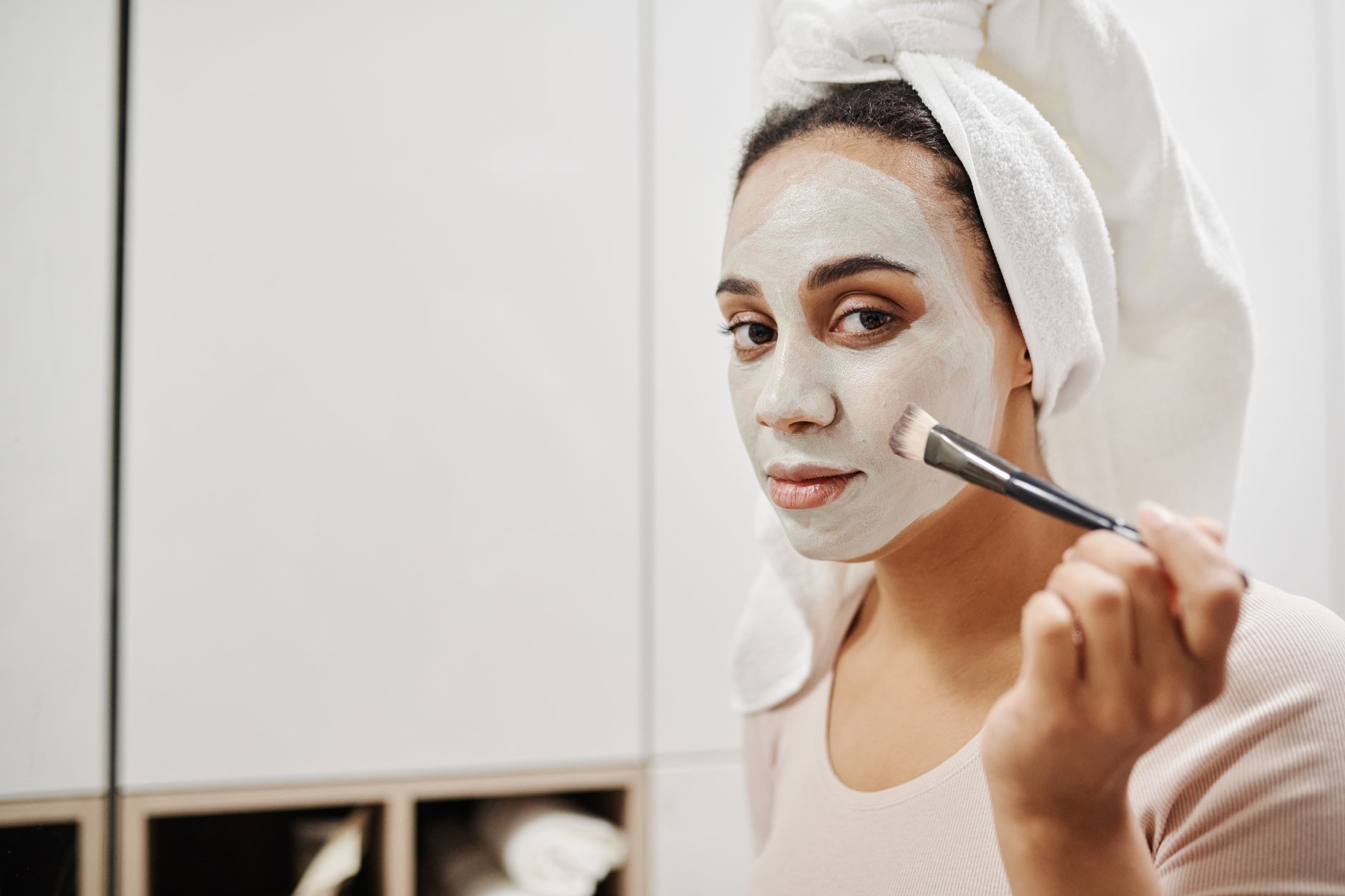
Clay masks can lower surface oil and help clear clogged pores, but they do not cure acne. A clay mask is a thick paste made with kaolin or bentonite clay that absorbs oil as it dries. The National Institute of Arthritis and Musculoskeletal and Skin Diseases explains that clogged follicles, excess oil, dead cells and bacteria trigger acne inflammation (NIAMS acne guidance). Hormones and genetics contribute, and teens are affected most, though adult acne persists.
Medical information disclaimer: This article is for general educational purposes only and does not provide medical advice, diagnosis, or treatment. Always consult a physician or other qualified health professional about symptoms, medications, tests, or treatment decisions.
Table of Contents
- How Do Clay Masks Affect Oily Skin?
- What Did the Four-Week Trial Show?
- Can Clay Masks Replace Acne Medicine?
- How Should Families Use Clay Masks Safely?
How Do Clay Masks Affect Oily Skin?
A Skin Research and Technology review explains that kaolin and bentonite reduce surface oiliness through physical adsorption (clay evidence review). High surface area, porosity and ionic charge trap oil and loosen surface debris. They do not change ongoing oil production by glands.
In practice, skin may look less shiny and feel cleaner for a short time. Pores may look clearer because surface debris is loosened. Oil returns because glands keep producing sebum.
What Did the Four-Week Trial Show?
In a 2023 Skin Research and Technology trial, 75 adults with oily or combination skin used a kaolin-bentonite mask twice weekly for four weeks (trial summary via PubMed). Researchers measured about 30% lower sebum. They also counted fewer open and closed comedones and noted improved evenness.
Open comedones are blackheads and closed comedones are whiteheads. The result describes short-term change in oily and combination skin. It does not show permanent pore change or lasting acne clearance.
Can Clay Masks Replace Acne Medicine?
Reports in the Journal of Cosmetic Dermatology and Skin Research and Technology show clear limits. The 75-person study was single-arm with no active drug comparator. A 2025 bentonite randomized trial tested clay only as extra care.
For actual acne treatment, the American Academy of Dermatology strongly recommends topical benzoyl peroxide, topical retinoids, topical or oral antibiotics and oral isotretinoin for severe disease (AAD updated acne guidelines). No clay mask is among those strong recommendations. Families should view clay as an extra for oiliness, not a substitute for prescribed care.
How Should Families Use Clay Masks Safely?
Evidence reviews from Acibadem Hospitals Group and skin-care advice from the American Academy of Dermatology point to gentle use. Limit masks to about one to two times weekly and rinse before the layer cracks hard. Follow with an oil-free, noncomedogenic moisturizer.
Overuse can strip barrier oils and cause dryness, redness and rebound oiliness. Acibadem Hospitals Group advises a patch test behind the ear or on the forearm for 24-48 hours. Stop for burning, swelling or worsening irritation, and see a dermatologist if acne is severe, painful, scarring or unchanged after 6-8 weeks.
- Use about 1-2 times weekly, not daily
- Rinse before the layer cracks hard
- Follow with oil-free, noncomedogenic moisturizer