Informational Only · Not Medical Advice · Consult a Dermatologist · Editorial Policy

What Makes Clascoterone Truly Unique
Oral Retinoids for Acne Scarring

What Makes Clascoterone Truly Unique Clascoterone stands out as a topical treatment for male pattern baldness because it blocks dihydrotestosterone, or DHT, right at the androgen receptors in scalp hair follicles without spreading much into the rest of the body. This local action sets it apart from older drugs like finasteride, which are taken by … Read more
How Clascoterone Fits Into Long Term Acne Management

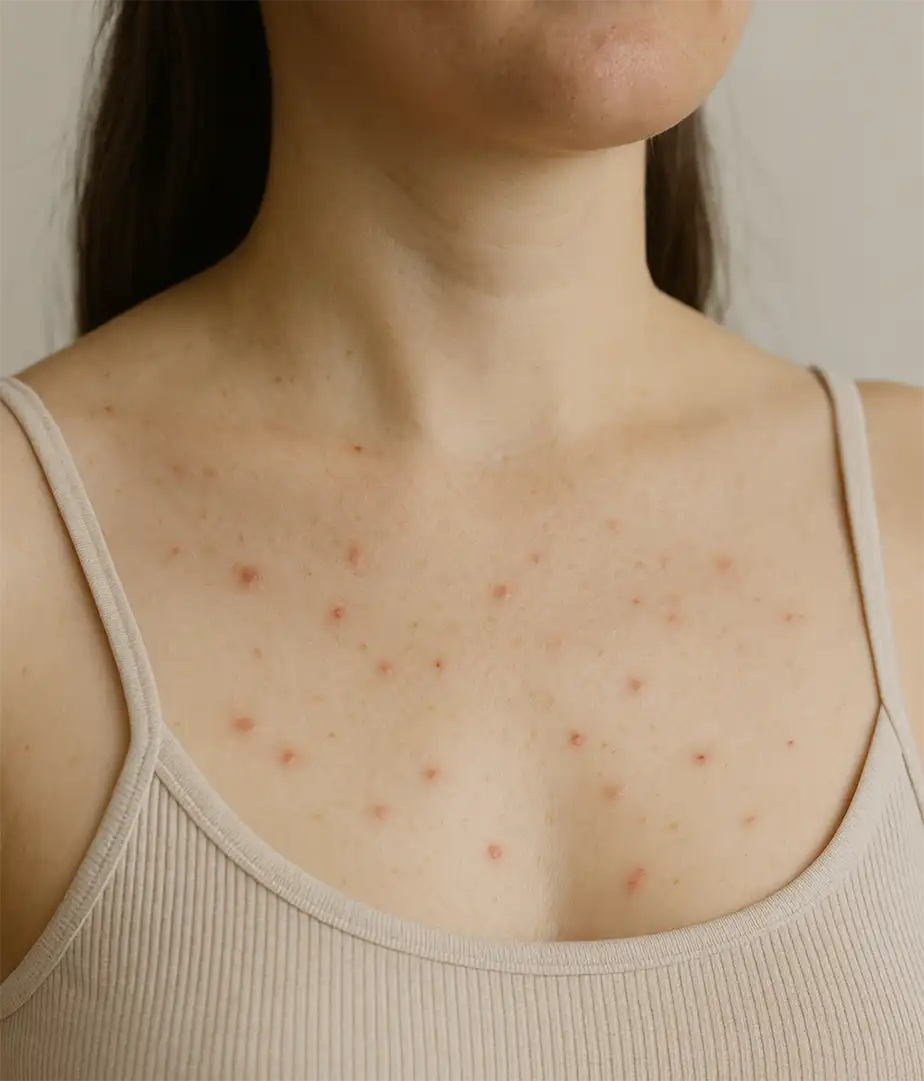
Chest Acne Treatments

How Clascoterone Fits Into Long Term Acne Management Acne often sticks around for years, especially for teens and adults dealing with moderate to severe breakouts. Clascoterone, sold as a 1% cream, offers a fresh way to manage it over the long haul by targeting hormones right on the skin’s surface. This cream blocks androgen receptors … Read more

Why Oral Acne Drugs Need Better Safety Profiles

Why Oral Acne Drugs Need Better Safety Profiles Acne affects millions of people, especially teens and young adults, and oral drugs often step in when creams and washes fail. These pills, like isotretinoin (often called Accutane), spironolactone, and hormonal birth control pills, can clear severe breakouts. But they come with risks that go beyond dry … Read more

When New Acne Medications Usually Reach the Market

# When New Acne Medications Usually Reach the Market The journey from laboratory discovery to pharmacy shelf is a long one for acne medications. Understanding this timeline helps patients and healthcare providers know what to expect when new treatments are announced. The FDA has established two main pathways for approving new drugs, and each follows … Read more

Is Denifanstat Safer Than Isotretinoin

Does Accutane Help with Acne Scars

Is Denifanstat Safer Than Isotretinoin? Acne affects millions of people, and treatments like isotretinoin have been around for decades. But isotretinoin, often called Accutane, comes with serious side effects. These include dry skin, high cholesterol, liver issues, and even risks of birth defects if taken during pregnancy. Doctors require strict monitoring, like monthly blood tests, … Read more

Why Denifanstat Is Not an Antibiotic or Retinoid

Denifanstat is a drug designed to treat liver diseases like MASH and skin conditions like acne, but it works in a completely different way from antibiotics or retinoids. It targets an enzyme called fatty acid synthase, or FASN, which helps make fats in the body.[1][2][3][6] Antibiotics fight infections by killing or stopping the growth of … Read more

What Is Denifanstat and How Does It Treat Acne

Denifanstat is an oral medication developed by Sagimet Biosciences that blocks an enzyme called fatty acid synthase, or FASN. This enzyme helps make excess fats in the body, including in the skin. Acne happens when skin pores get clogged with oil, dead skin cells, and bacteria. This leads to pimples, blackheads, and cysts, especially in … Read more

How to Read Ingredient Stability Warnings

Water and Acne

How to Read Ingredient Stability Warnings When you pick up a product like medicine, a supplement, or even some food items, the label might mention stability warnings. These warnings tell you if the ingredients inside could change over time, lose strength, or become unsafe. Stability means how well the ingredients hold up under normal conditions … Read more

How Recalls Impact Acne Treatment Guidelines

Recalls of acne treatments have pushed doctors and regulators to rethink safety rules, leading to stricter testing and shifts toward safer options in treatment guidelines. Benzoyl peroxide, a common ingredient in over-the-counter acne creams and cleansers, faced major scrutiny in 2025 when the FDA found benzene, a cancer-linked chemical, in several products. The agency tested … Read more

What Happens When Acne Treatments Degrade Over Time

Subcision for Acne Scars

What Happens When Acne Treatments Degrade Over Time Acne treatments like retinoids, antibiotics, and hormonal therapies work well at first by targeting clogged pores, excess oil, bacteria, and swelling in the skin. Over time, though, these products can lose their power because the active ingredients break down, bacteria grow resistant, or the skin’s balance gets … Read more

We use cookies to run this site, measure how it’s used, and show ads. Choose “Essentials only” to limit cookies to what the site needs to work. Privacy Policy.