
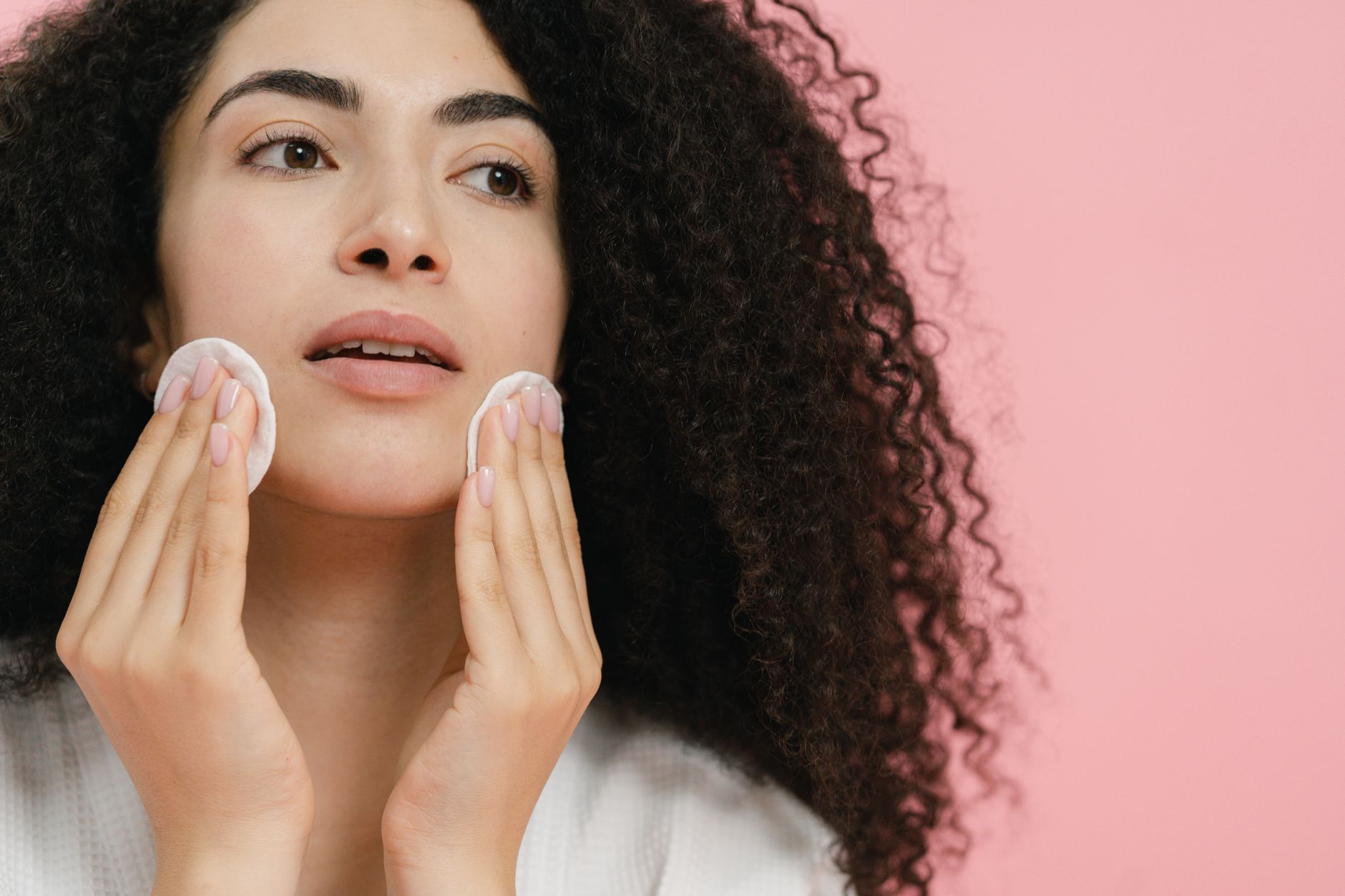
Benzoyl peroxide stings more on rosacea-prone skin because the barrier is already weak and facial nerves overreact to irritants. Benzoyl peroxide, an acne treatment that kills bacteria and loosens dead skin, then adds its own dryness and burning on top of that sensitivity. Rosacea-prone skin flushes easily and reacts to products that normal skin tolerates. That low tolerance turns a common acne ingredient into prolonged redness, scaling, and sting.
Medical information disclaimer: This article is for general educational purposes only and does not provide medical advice, diagnosis, or treatment. Always consult a physician or other qualified health professional about symptoms, medications, tests, or treatment decisions.
Table of Contents
- Why does the barrier fail in rosacea?
- What does benzoyl peroxide do to skin?
- How sensitive is rosacea-prone skin?
- What steps lower the sting risk?
Why does the barrier fail in rosacea?
In type 1 and type 2 rosacea the skin barrier fails partly because sebaceous oils lack longer-chain fatty acids. Excess cathelicidin LL-37, an immune protein, also drives inflammation, according to LearnSkin's explainer on rosacea sensitivity LearnSkin's rosacea sensitivity article.
A weaker oil seal lets water escape and lets irritants enter faster. The result is dryness, tightness, and quicker burning from topical treatments.
What does benzoyl peroxide do to skin?
FDA labeling for benzoyl peroxide gel warns it can cause redness, scaling, dryness, and stinging or burning, most likely during the first 4 weeks, as stated in the benzoyl peroxide drug label. Redness here means erythema, visible dilation of small blood vessels.
Dermatologists long avoided benzoyl peroxide for rosacea because it causes dryness and worsening irritation. That problem prompted a slow-release silica microcapsule designed to reduce irritation.
How sensitive is rosacea-prone skin?
Far more sensitive than normal skin. Applied 5% lactic acid caused stinging or burning in 100% of type 1 rosacea patients and 68% of type 2 patients, versus only 19% of controls.
Barrier damage plus extra blood flow lowers the irritant threshold. Acids, soaps, and exfoliants then produce burning, itching, and stinging that doctors group under sensitive skin.
What steps lower the sting risk?
Dermatologists advise rosacea patients to use mild, sensitive-skin products and avoid harsh irritants that trigger flare-ups, according to the AAD rosacea skin-care tips. Switch to a mild routine before reintroducing any acne treatment.
- Choose a gentle, fragrance-free cleanser and lukewarm water.
- Skip scrubs, astringents, and high-strength acids with benzoyl peroxide.
- Test a pea-sized amount once before wider use.
- Stop benzoyl peroxide and contact a dermatologist if burning, scaling, or redness spreads.