
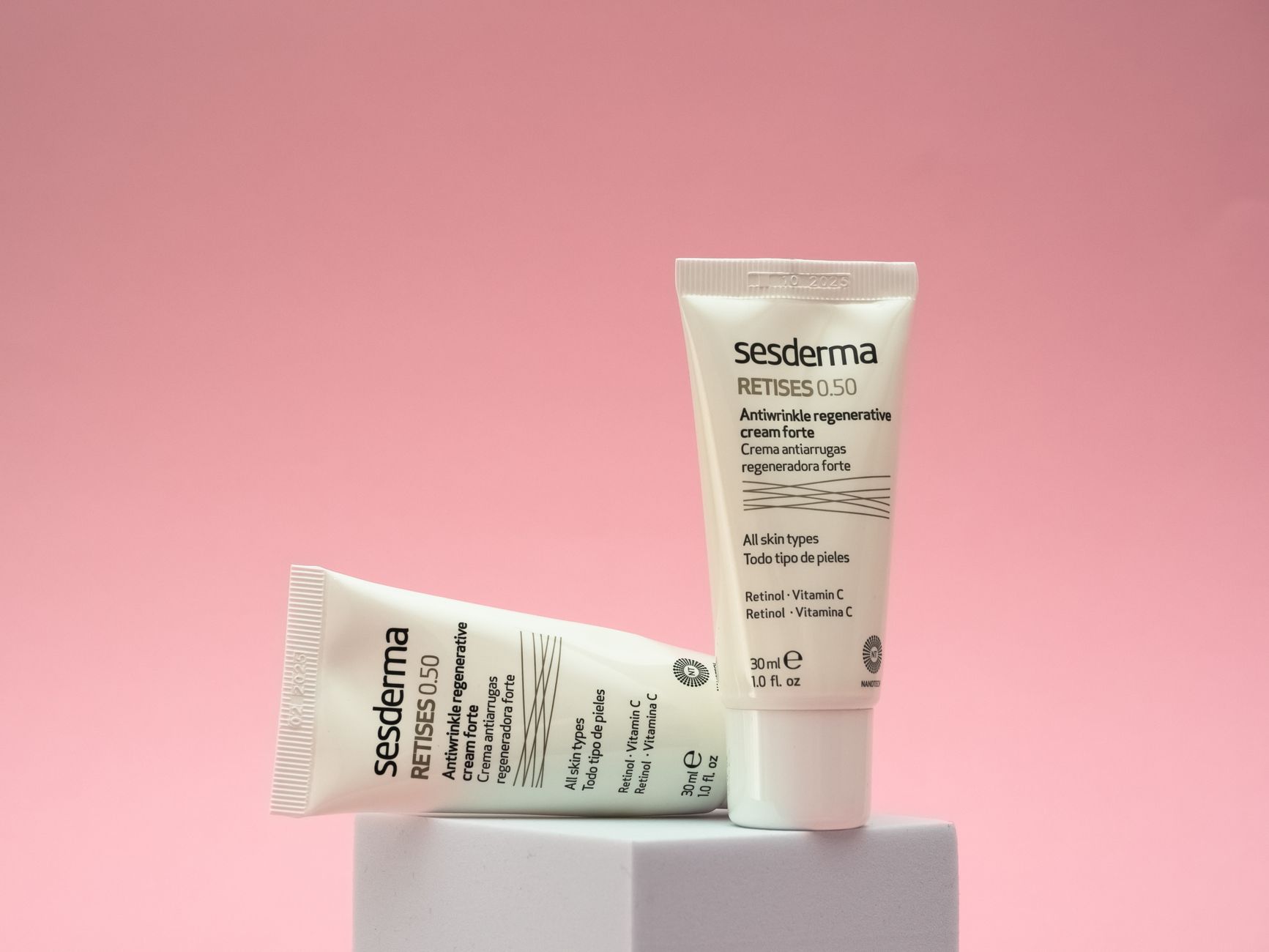
Layer retinol under or over a moisturizer, applied only to dry skin, 2-3 nights a week at first. This "sandwiching" approach cuts irritation while you build tolerance, without weakening the retinol's effect on acne.
Beginners with acne often stop retinol within the first month because their skin turns red, flaky, or tight. The products aren't the problem — the order and frequency usually are. The steps below follow dermatology guidance on how to introduce retinol safely and keep moisturizer working with it instead of against it.
Medical information disclaimer: This article is for general educational purposes only and does not provide medical advice, diagnosis, or treatment. Always consult a physician or other qualified health professional about symptoms, medications, tests, or treatment decisions.
Table of Contents
- What Counts as a Beginner Routine
- How to Order Retinol and Moisturizer in One Application
- Does Buffering Weaken the Retinol?
- What to Expect in the First Few Weeks
- What Not to Combine With Retinol Yet
- Frequently Asked Questions
What Counts as a Beginner Routine
Start with a retinoid at its lowest available strength, applied two to three nights a week, and increase frequency gradually over roughly 8 to 12 weeks as your skin adjusts, according to dermatology practice guidance summarized by Acibadem International. Adapalene 0.1% gel, sold as Differin, is the retinoid most beginners can access without a prescription — the FDA cleared it for over-the-counter sale in 2016, making it the first OTC topical retinoid approved for acne. The FDA-approved label for adapalene gel calls for applying a thin layer to the entire acne-prone area once daily, not as a spot treatment on individual pimples, and for avoiding the eyes, lips, and any skin that is already damaged, eczematous, or sunburned, per the FDA drug label.
Treating the whole area matters for acne specifically, since retinoids work by normalizing how skin cells shed inside pores — a process that happens across the surface, not just where a breakout is visible. Two to three nights a week is a starting frequency, not a permanent one. Once your skin tolerates that without peeling or persistent redness, you move toward nightly use over the following weeks.
How to Order Retinol and Moisturizer in One Application
Apply retinol only to fully dry skin. Clinic guidance recommends waiting about 15 to 20 minutes after cleansing before applying a retinoid, because putting it on damp skin is believed to drive the active deeper and increase irritation, according to Advanced Dermatology PC. Pat your face dry after washing, then let it sit uncovered until it no longer feels cool or tacky.
The "sandwich" method — also called buffering — places a layer of moisturizer before the retinol, after it, or both. This technique is widely recommended by dermatology clinics specifically for acne patients who are new to retinoids, as a way to blunt dryness and stinging without diluting the medication out of the routine entirely, per Advanced Dermatology PC. A practical version for a beginner night: If irritation is mild, moisturizer after the retinol is usually enough. Moisturizer before and after is the stronger buffer, reserved for skin that reacts even to the single-layer version.
- Cleanse and pat skin dry, then wait 15-20 minutes.
- Apply a thin layer of plain, fragrance-free moisturizer.
- Apply a pea-sized amount of retinol over the entire acne-prone area once the moisturizer has absorbed.
- Follow with a second light layer of moisturizer if your skin still feels tight.
Does Buffering Weaken the Retinol?
No. A poster presented at the American Academy of Dermatology's 2025 Annual Meeting tested moisturizer-layering ("open sandwich") regimens with retinol and tretinoin and found the technique did not reduce the drugs' bioactivity, while it did lower irritation, according to Dermatology Times.
That finding matters for beginners weighing a common trade-off: using less retinol, or using it less often, to avoid redness — and worrying it will stop working as well. Sandwiching sidesteps that trade-off. You keep the full strength and the full treatment area, and the moisturizer manages the side effects instead of the dose.
What to Expect in the First Few Weeks
Expect your acne to look like it's getting worse before it improves. The adapalene label specifically warns that breakouts can appear to worsen during the initial weeks of use, which reflects increased cell turnover rather than treatment failure, per the FDA drug label. The same label also warns that retinoids increase photosensitivity, so daytime sun exposure should be limited and sunscreen used every morning you use the product at night.
Burning, swelling, oozing, or raw patches are not part of that expected adjustment. Clinic guidance states these reactions are signs to stop the retinoid and consult a dermatician, since underlying conditions like eczema or rosacea change what your skin can tolerate, according to ubie Health's Doctor's Note. Flaking and mild redness are typical; raw or oozing skin is not.
What Not to Combine With Retinol Yet
Hold off on adding benzoyl peroxide, salicylic acid, or AHA exfoliants in the first weeks of a new retinoid. Dermatology guidance warns that stacking multiple actives raises irritation risk, and that applying benzoyl peroxide at the same time as tretinoin can chemically reduce the tretinoin's effectiveness, per Advanced Dermatology PC. If your existing routine includes any of these, use them on alternating nights from the retinol rather than layering them together, at least until your skin has adjusted to nightly retinol use.
Frequently Asked Questions
Should moisturizer go before or after retinol for a beginner?
Either works as a buffer; moisturizer after the retinol is the lighter option, and adding a layer before as well is for skin that still reacts to that.
How often should an acne beginner apply retinol each week?
Two to three nights a week at the start, increasing gradually over about 8 to 12 weeks as tolerance builds.
Can retinol and benzoyl peroxide be used in the same routine?
Not in the same application during the first weeks — applying them together can reduce the retinoid's effectiveness and raise irritation risk.