
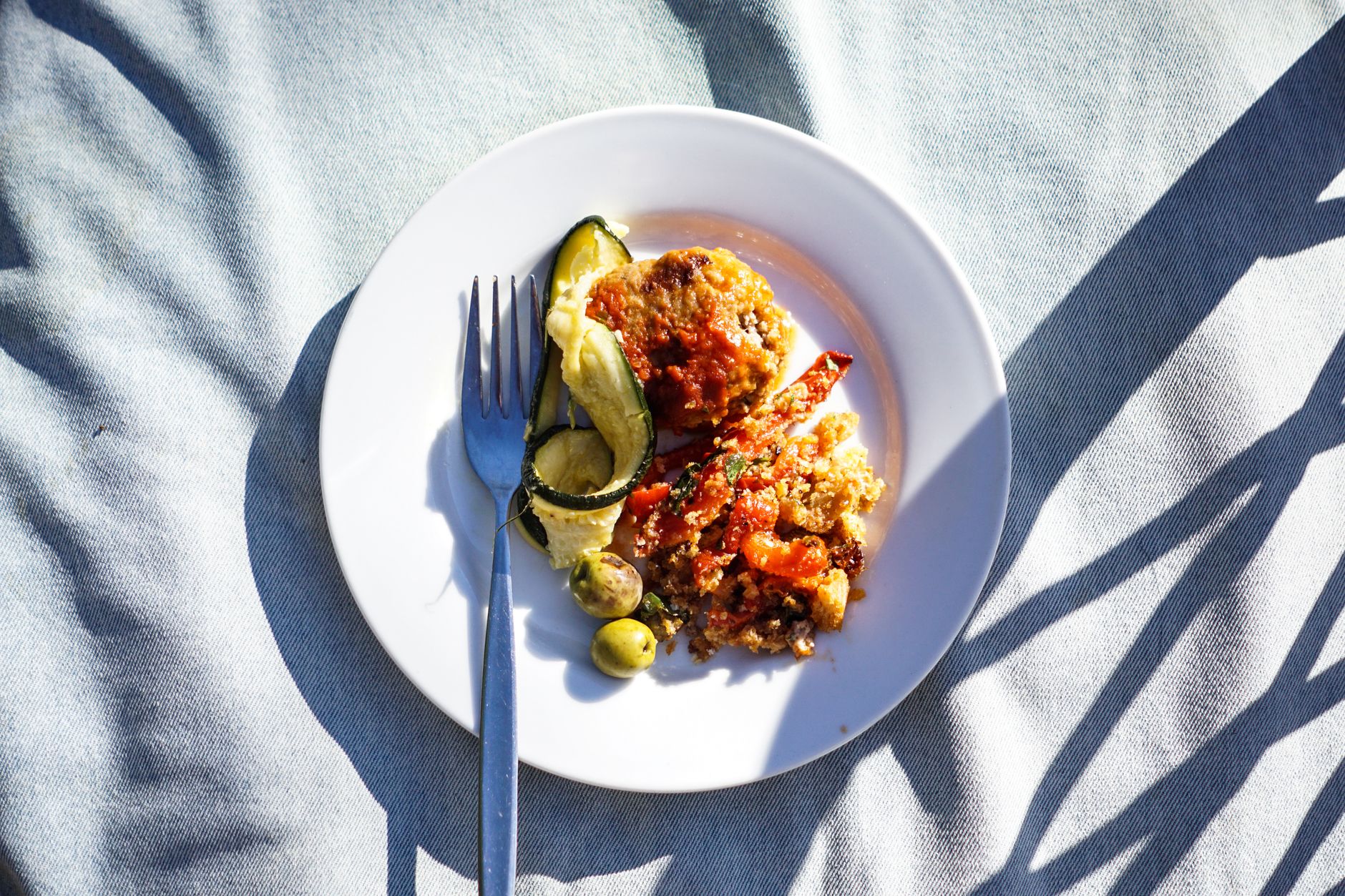
Yes. Adults who ate closer to a Mediterranean-style diet were less likely to have current adult acne in new research.
A Mediterranean-style diet means more plant foods and unsaturated fats such as olive oil, with less saturated fat, meat and alcohol. King's College London researchers analyzed 228,757 UK Biobank adults ages 37 to 73 and linked closer Mediterranean adherence to lower likelihood of acne, according to King's College London's summary via MedicalXpress. Each one-point rise in diet score was tied to 7% lower odds overall and 10% lower odds in women, with no same link in men.
Medical information disclaimer: This article is for general educational purposes only and does not provide medical advice, diagnosis, or treatment. Always consult a physician or other qualified health professional about symptoms, medications, tests, or treatment decisions.
Table of Contents
- Who seemed to benefit most?
- Which foods tracked with more or less acne?
- What does earlier research say?
- Should you change your diet to treat acne?
Who seemed to benefit most?
Women drove the result. Closer Mediterranean adherence was tied to lower odds of acne in women, while men showed no same association. The pattern suggests sex, hormones, diet habits and reporting may shape the link.
The study looked at adults ages 37 to 73 with current adult acne. Adult acne means breakouts past the teen years, often on the lower face, jaw and chin. Findings in middle-aged and older adults may not match teens or adults in their twenties.
Which foods tracked with more or less acne?
Women who ate more plant-based foods, chose unsaturated over saturated fat and drank less alcohol had lower acne prevalence. Men who ate more meat and fewer carbohydrates had higher acne prevalence.
Specific foods also split in opposite directions: Those food-level links come from the study abstract indexed by PubMed. They describe eating patterns seen alongside acne, not foods proven to clear skin.
- Lower prevalence: cooked vegetables, yogurt and cheese
- Higher prevalence: skimmed milk, milk-based desserts and pork
What does earlier research say?
A 2025 systematic review and meta-analysis found higher Mediterranean adherence was tied to less severe acne. The same review found no significant link between Mediterranean adherence and developing acne at all.
That mixed picture matters for expectations. Diet may track more with how bad breakouts get than with whether they start. Some smaller studies also found no link to diagnosis or severity.
Should you change your diet to treat acne?
Use food as support, not as treatment. The UK Biobank result is cross-sectional and observational, so it shows association only and does not prove that Mediterranean eating prevents acne or that a diet switch will clear it.
U.S. dermatology guidance makes no specific dietary recommendation for acne, despite citing small trials linking low-glycemic-load diets to improvement, according to American Academy of Dermatology guidance summarized via Medscape. Keep proven care first, then add steady Mediterranean habits if they fit your health needs and budget.