
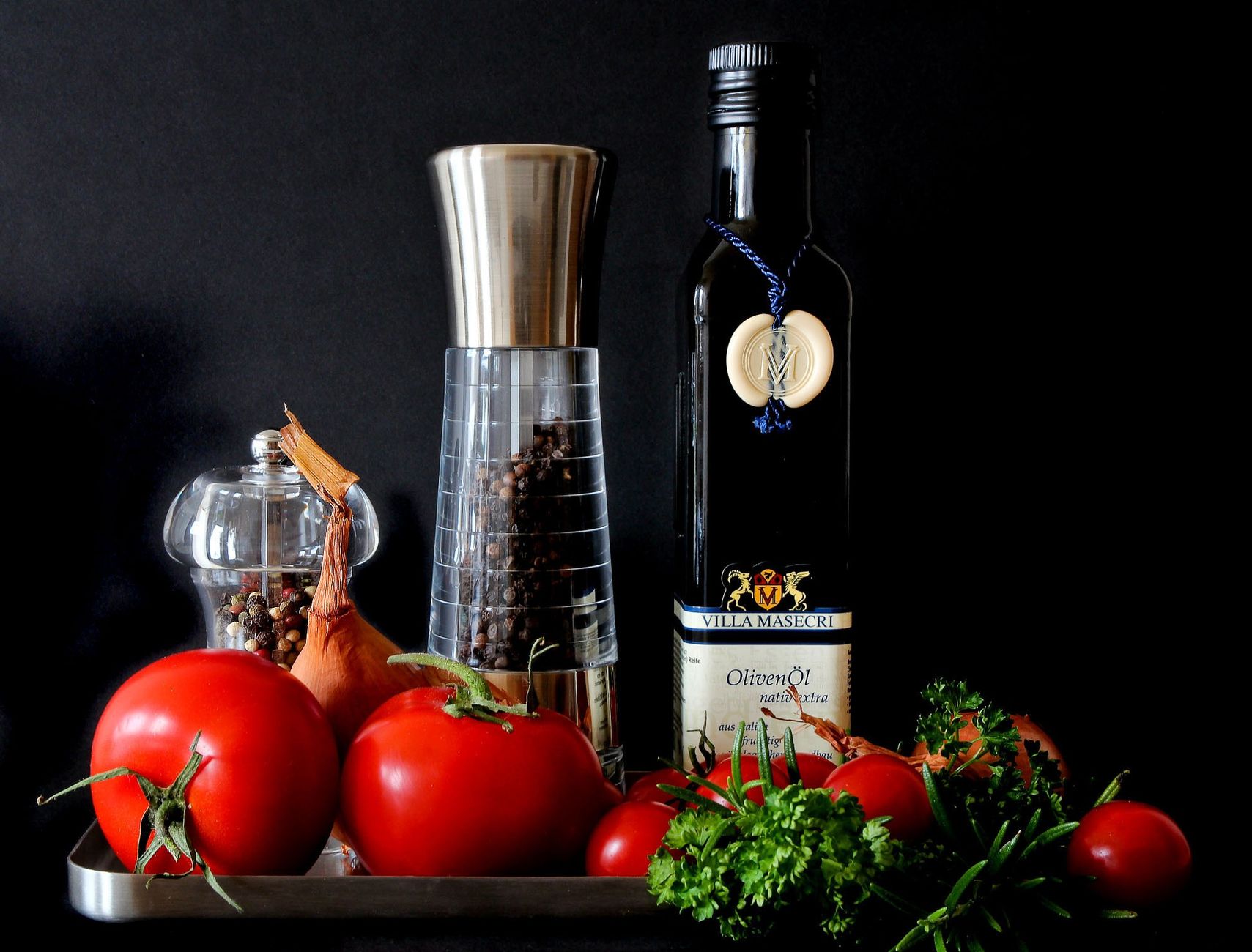
Yes — adults who ate closer to a Mediterranean-style pattern had lower odds of current acne. In 228,757 UK Biobank adults aged 37–73, researchers classified current, past, or no acne from medical records and found closer Mediterranean-style eating linked to lower prevalence of current adult acne, according to the King's College London summary via MedicalXpress. Adult acne means breakouts that persist or start after the teen years. Each one-point rise in Mediterranean-diet score was tied to 7% lower acne odds overall and 10% lower odds in women, with a more favorable unsaturated-to-saturated fat ratio as a likely contributor, according to The Natural Path's summary of the September 2026 dermatology journal study.
Medical information disclaimer: This article is for general educational purposes only and does not provide medical advice, diagnosis, or treatment. Always consult a physician or other qualified health professional about symptoms, medications, tests, or treatment decisions.
Table of Contents
- How strong is the link?
- Why does sex seem to matter?
- Which foods stood out?
- Should you eat differently for acne?
How strong is the link?
The link is consistent but modest. Small score differences added up across the large adult sample. The pattern held most clearly for current acne, not just a history of teenage breakouts.
The study was cross-sectional and observational, so it shows associations only and does not prove Mediterranean eating prevents acne or that changing diet will clear acne, according to Olive Oil Times reporting on the UK Biobank study. Diet and skin were measured around the same time. Other habits, hormones, medications, and skin care could also shape risk.
Why does sex seem to matter?
Women showed the clearest benefit. Their odds fell about 10% per diet-score point. Women eating more plant-based foods had lower acne prevalence, while men eating more meat and animal foods with fewer carbohydrates had higher acne prevalence, according to Olive Oil Times reporting on the UK Biobank study.
That split suggests different levers by sex. For women, added vegetables, legumes, and unsaturated fats may matter more. For men, heavy meat intake with low carbohydrate intake tracked with more acne.
Which foods stood out?
Higher intakes of cooked vegetables, yogurt, and cheese were associated with lower acne prevalence. Skim milk, milk-based desserts, and pork were associated with higher prevalence, according to Olive Oil Times reporting on the UK Biobank study.
Fat balance may help explain the pattern. A higher unsaturated-to-saturated fat ratio looked like a likely contributor. Think olive oil, nuts, and fish fats in place of butter, fatty meats, and pastries.
Should you eat differently for acne?
U.S. dermatology guidance recommends no specific dietary change for acne, noting emerging but limited data that high-glycemic-index diets may be associated with acne and skim milk may influence some patients, according to the Toronto Dermatology Centre summary of American Academy of Dermatology guidance. Diet alone is not an acne treatment.
Prescription retinoids, benzoyl peroxide, and hormonal options still carry the strongest support. Practically, researchers said overall dietary pattern matters more than single foods and called for trials on whether Mediterranean shifts or sex-specific advice can reduce adult-acne burden, according to Olive Oil Times reporting on the UK Biobank study. Use food as a support step, not a swap for care.
- Build plates around cooked vegetables, beans, whole grains, and olive oil.
- Choose plain yogurt more often than sweetened milk desserts.
- Limit pork, sugary drinks, white bread, and pastries that spike blood sugar.
- Track breakouts, menstrual cycle, and meals for four to six weeks, then review with a dermatologist.