
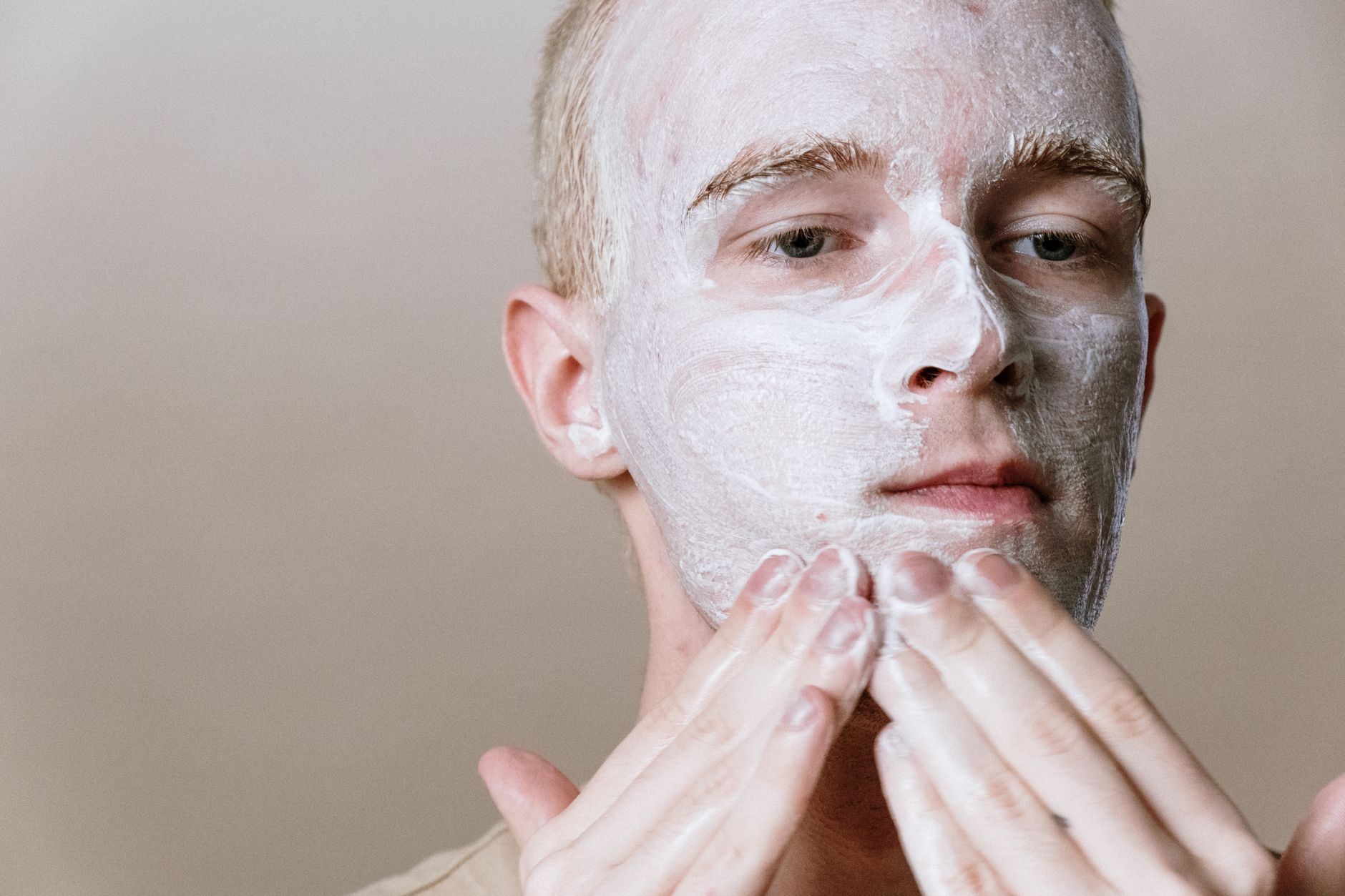
Curology Acne is a telehealth service that pairs each patient with a licensed dermatology provider who reviews photos and history to prescribe a personalized 3-ingredient formula delivered at home. According to Curology's Custom FormulaRx page, key facts include tailored prescription actives, daily sun protection, 8-12 weeks to judge progress, and an online consultation as the first step. The formula commonly centers on tretinoin and related prescription actives selected for the patient. Providers adjust the mix as skin changes, while safety planning focuses on irritation, sun sensitivity, and pregnancy precautions.
Medical information disclaimer: This article is for general educational purposes only and does not provide medical advice, diagnosis, or treatment. Always consult a physician or other qualified health professional about symptoms, medications, tests, or treatment decisions.
Table of Contents
- How Curology acne care works
- What is in the custom formula?
- What safety issues need attention?
- How should you start and judge progress?
How Curology acne care works
Patients submit photos, medical history, and skin concerns through an online visit. A licensed dermatology provider reviews the case and prescribes a custom formula when appropriate.
That formula ships for home use with ongoing provider follow-up. Dose, actives, and routine can change based on response, dryness, redness, or breakouts.
What is in the custom formula?
Curology says its formulas combine research-backed actives chosen for each patient, commonly tretinoin, azelaic acid, clindamycin, niacinamide, or tranexamic acid. According to Curology's 2025 custom-formula guide, providers adjust the mix as skin changes.
The drug classes match mainstream acne care. The American Academy of Dermatology strongly recommends topical benzoyl peroxide, topical retinoids such as tretinoin, and topical antibiotics in its 2024 acne guidelines.
What safety issues need attention?
Topical tretinoin often causes dryness, redness, peeling, burning, or itching, especially during early weeks. FDA labeling directs users to minimize sunlight, use sunscreen, and use protective measures, as described in the National Library of Medicine's tretinoin label.
Do not use tretinoin emollient cream if pregnant, attempting pregnancy, sunburned, or highly sun-sensitive. Oral tretinoin is teratogenic and fetotoxic in animals, so disclose pregnancy plans and irritation history before starting.
How should you start and judge progress?
Curology reports via Morningstar/PR Newswire that over 90% of 150 users saw improvement as early as 3 weeks and 95% reported clearer skin by week 12 in a company-described 12-week trial. Those numbers used self-reported improvement, so they are weaker evidence than independent randomized trials and do not promise individual results.
Allow 8-12 weeks of consistent use before judging the formula. Use moisturizer, daily sunscreen, and gentle cleansing to manage early irritation.
- Complete the online consultation and list pregnancy plans, allergies, and prior retinoid reactions
- Plan daily sunscreen, moisturizer, and nighttime application as directed
- Take baseline photos and check progress at 3, 8, and 12 weeks
- Seek in-person care for severe, scarring, painful, or worsening acne