
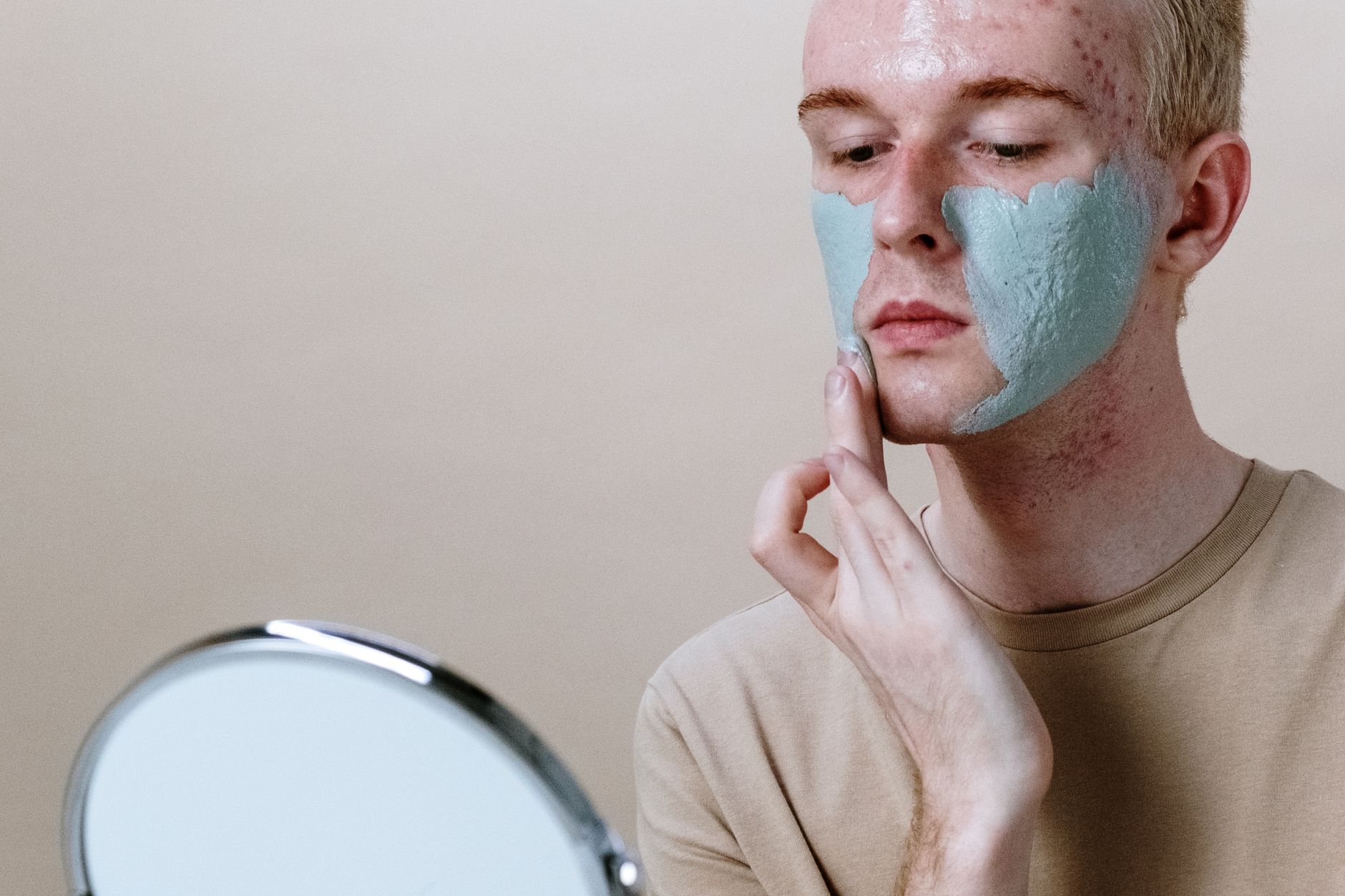
Adapalene is a retinoid-like compound that treats acne by stopping pimples from forming under the skin surface, according to the U.S. National Library of Medicine MedlinePlus drug information. Visible improvement generally requires 8-12 weeks of consistent once-daily use, with effects starting around week 4 in clinical research trial summary from PubMed.
It is for adults and children 12 years and older. Dermatology guidelines strongly recommend topical retinoids including adapalene to help unclog pores and reduce inflammation. Expect an adjustment period before clearer-looking skin.
Medical information disclaimer: This article is for general educational purposes only and does not provide medical advice, diagnosis, or treatment. Always consult a physician or other qualified health professional about symptoms, medications, tests, or treatment decisions.
Table of Contents
- How should beginners apply it?
- What happens in weeks 1-2?
- What happens in weeks 3-6?
- What happens in weeks 7-12?
- When should you pause or get help?
How should beginners apply it?
Use a pea-sized amount as a thin film once daily in the evening. Apply to clean, dry skin over the entire face or affected area, not as a spot treatment.
More gel or more frequent use will not clear acne faster. The DailyMed label states beginners should never use it more often than directed, and extra use may increase irritation adapalene label directions. A simple nightly order helps:.
- Wash gently, then pat skin fully dry
- Spread the pea-sized film evenly across the affected area
- Follow with plain moisturizer if dryness or irritation occurs
- Use sunscreen and protective clothing during the day
What happens in weeks 1-2?
Mild redness, dryness, peeling, scaling, itching, stinging, or burning is common. These effects are strongest during the first 2-4 weeks for many users. Skin is adjusting to faster cell turnover.
Keep the routine steady and avoid scrubbing, picking, or adding harsh exfoliants. Moisturizer can reduce dryness and irritation. Minimize sun and sunlamps because adapalene increases sun sensitivity.
What happens in weeks 3-6?
Irritation often starts to lessen with continued use as skin adjusts. Breakouts may still come and go because deeper pimples take time to resolve. Continue full-face application even when only a few spots are visible.
Stopping and restarting can prolong the adjustment period. Avoid eyes, lips, cuts, eczema, and sunburned skin. Do not apply to broken or severely irritated areas.
What happens in weeks 7-12?
Many users notice fewer new pimples and smoother texture during this period. In a 249-patient trial, adapalene plus clindamycin reduced total, inflammatory, and noninflammatory lesions over 12 weeks versus vehicle. Consistency matters more than intensity.
Use the same small amount each evening and maintain sun protection. Judge progress at 12 weeks, not week 3. If acne remains severe, talk with a clinician about prescription options or combination treatment.
When should you pause or get help?
Mild dryness and peeling can often be managed with moisturizer and gentler cleansing. Severe irritation is different and needs prompt attention. Stop use and seek medical care for severe irritation, hypersensitivity, rash, swelling, or breathing difficulty.