
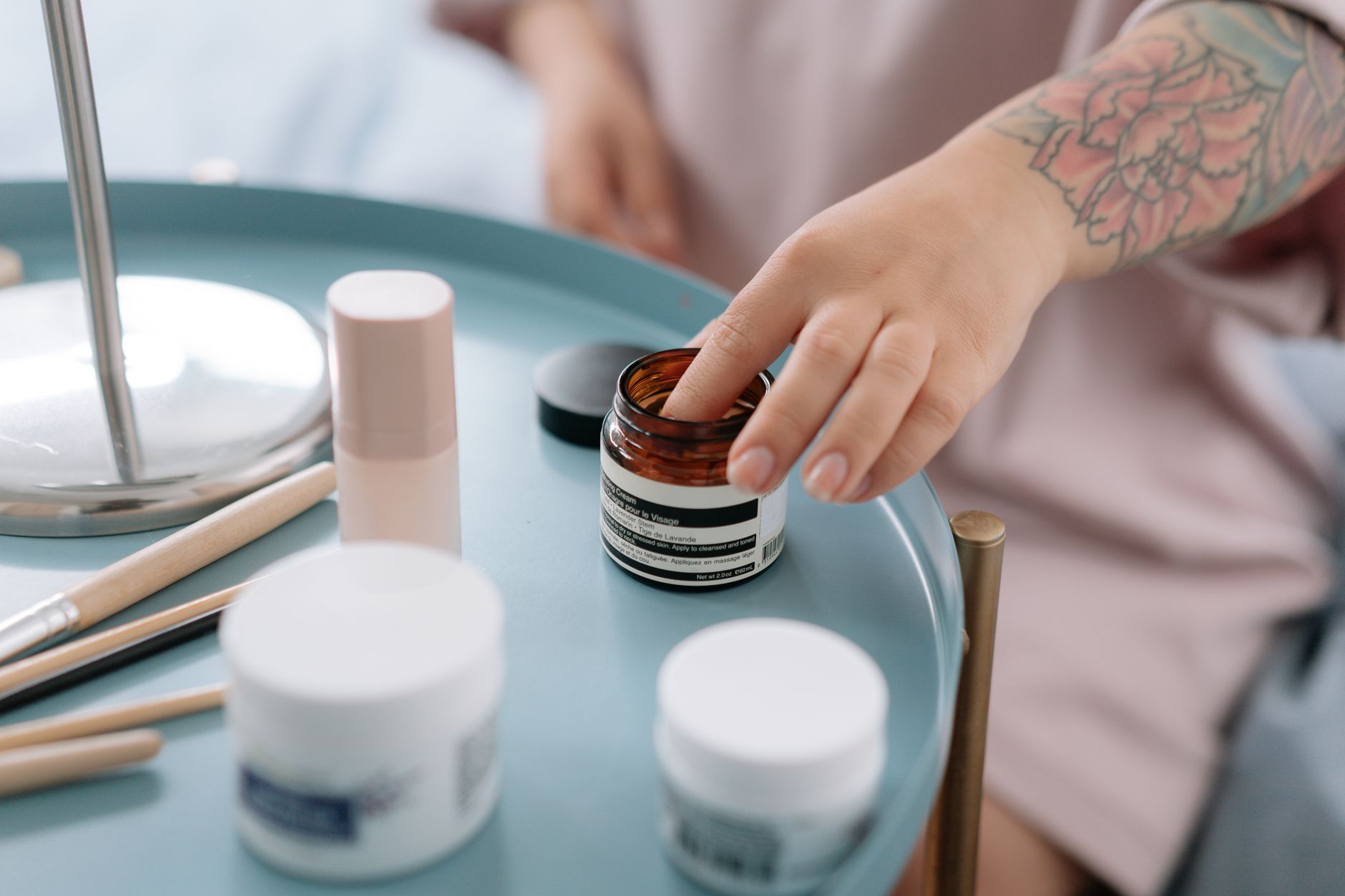
Retinol for beginners is a slow, safety-first way to try an over-the-counter vitamin A product for acne-prone skin. Retinol is an over-the-counter vitamin A derivative, while stronger retinoids include prescription creams, gels and oral drugs, according to Cleveland Clinic in its retinol overview. Over-the-counter retinol needs one or two conversion steps in skin to become active retinoic acid, so it acts more gently and slowly than prescription retinoids. Active retinoic acid speeds shedding of older skin cells, which helps reduce pore clogging, whiteheads and blackheads.
Medical information disclaimer: This article is for general educational purposes only and does not provide medical advice, diagnosis, or treatment. Always consult a physician or other qualified health professional about symptoms, medications, tests, or treatment decisions.
Table of Contents
- How does retinol help acne-prone skin?
- How should beginners start?
- How do you limit dryness and sunburn risk?
- Who should avoid retinoids and what are the limits?
How does retinol help acne-prone skin?
Retinoic acid binds receptors in skin cells and accelerates cellular turnover. Older cells shed faster instead of building up inside pores. That process helps limit clogging that leads to whiteheads and blackheads, as explained by UNC Health in its retinoid questions and answers.
Retinol is the gentlest entry point because the skin must convert it first. Prescription retinoids act immediately and tend to work faster but irritate more easily. Beginners trade speed for tolerance.
How should beginners start?
Patch-test first on a small area before full-face use. Then use only a pea-sized amount for the entire face at night, starting about once every few days.
Small amounts matter because more product does not clear acne faster. It mainly raises the chance of redness and peeling.
- Use a pea-sized amount for the whole face at night only
- Start about once every few days, then increase only as tolerated
- Apply to clean, dry skin and avoid eyes, ears, nose and mouth
- Follow with moisturizer and skip drying or peeling products unless directed otherwise
How do you limit dryness and sunburn risk?
Expect an adjustment period of weeks. Common early effects are dryness, redness, peeling, flaking, burning, itching and stinging. If irritation persists, use retinol less often and add moisturizer buffering around the application.
Topical retinoids also heighten sunburn susceptibility, so use retinol only at bedtime and use daily sunscreen of at least SPF 15 plus protective clothing and sun avoidance, according to the U.S. National Library of Medicine label for RENOVA in its tretinoin drug label. Apply sunscreen every morning even when skies look cloudy.
Who should avoid retinoids and what are the limits?
People who are pregnant, planning pregnancy or attempting conception should not use topical tretinoin or related retinoids. Oral isotretinoin carries an extremely high risk of severe birth defects in any amount. For wrinkles, expectations should stay narrow.
Tretinoin 0.05% emollient only palliates fine wrinkles, mottled pigmentation and rough touch as an adjunct to skincare and sun avoidance. It does not eliminate wrinkles or reverse photoaging. Talk with a clinician before starting if pregnancy, nursing, eczema or rosacea may apply.