
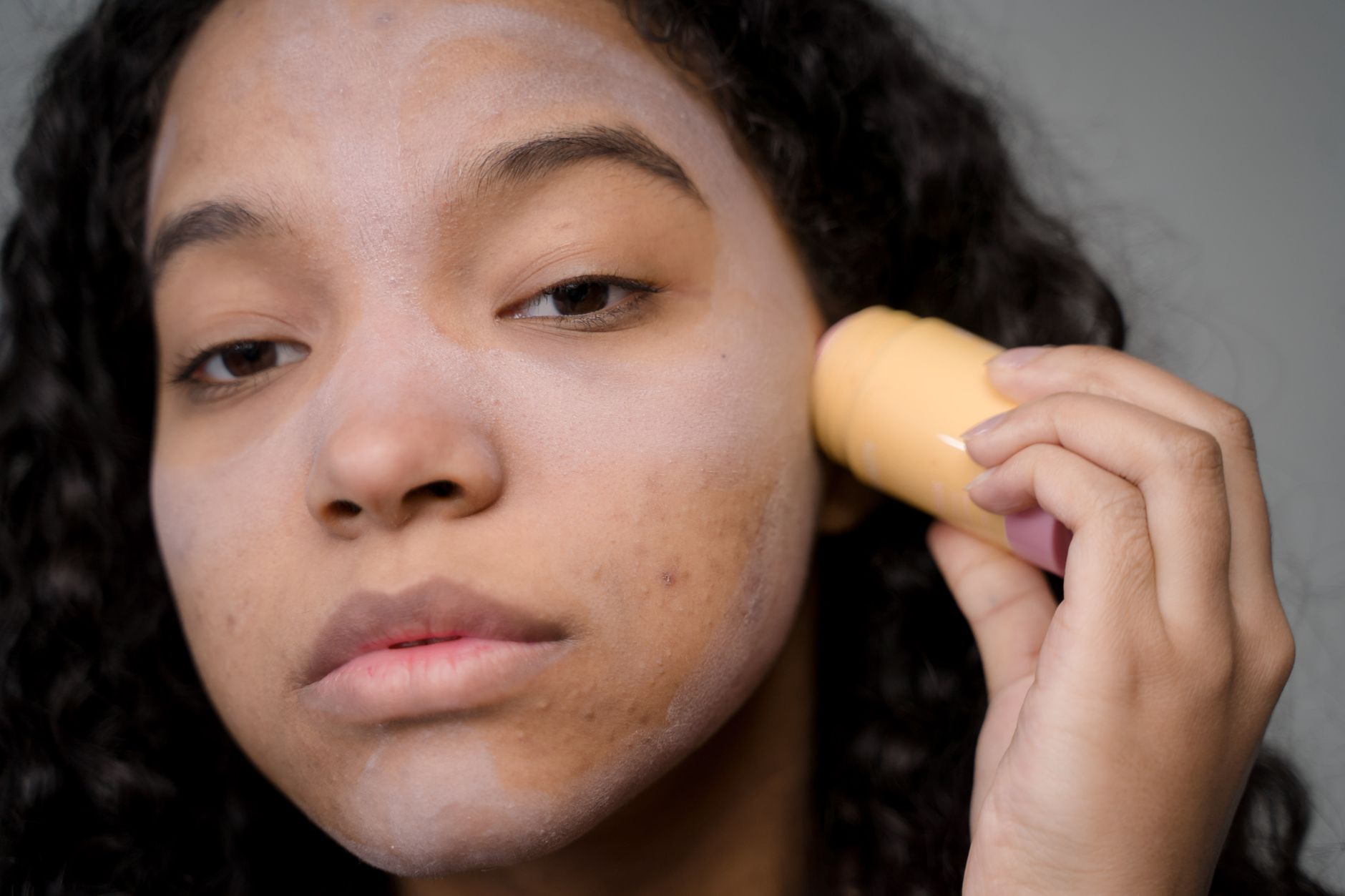
Acne dark spots are flat marks from excess melanin after inflammation, and they respond to sun protection plus depigmenting ingredients. True acne scars change skin texture as pits or raised bumps, and they generally need in-office procedures.
Post-inflammatory hyperpigmentation is the medical term for those flat dark marks after acne. LearnSkin explains that spots stay flat while scars alter texture, in its hyperpigmentation guide. Getting the type right guides treatment because color-fading creams do not fill pits.
Medical information disclaimer: This article is for general educational purposes only and does not provide medical advice, diagnosis, or treatment. Always consult a physician or other qualified health professional about symptoms, medications, tests, or treatment decisions.
Table of Contents
- How can you tell spots from scars?
- What fades dark spots?
- Which treatments fit textured scars?
- What slows fading or causes harm?
How can you tell spots from scars?
Dark spots lie flat with the surrounding skin even when they look dark. True scars create texture you can feel as a dip or a raised bump.
Cleveland Clinic groups true scars into depressed atrophic types and raised types. Atrophic scars include icepick, boxcar, and rolling forms, while raised scars include hypertrophic and keloid forms. Shape matters because it guides procedure choice.
What fades dark spots?
Daily broad-spectrum sunscreen SPF 30 or higher plus sun avoidance is foundational for dark spots. DermNet NZ notes that ultraviolet exposure darkens hyperpigmented skin and prolongs fading, in its hyperpigmentation overview.
First-line care pairs that photoprotection with a depigmenting agent. LearnSkin lists these options: Medium-dark skin, Fitzpatrick types III to VI, carries higher risk for post-inflammatory hyperpigmentation. LearnSkin identifies it among the most frequent reasons those patients visit a dermatologist.
- hydroquinone, azelaic acid, retinoid, kojic acid, ascorbic acid, niacinamide, or licorice extract
- hydroquinone 4% cream twice daily for up to 6 months, which inhibits tyrosinase in an Acta Dermato-Venereologica review
- stronger effect when hydroquinone joins nightly retinoid and short-term mid-potent steroid
Which treatments fit textured scars?
Textured scars rarely improve enough with topicals alone. The American Academy of Dermatology lists procedures that address texture, in its acne scar treatment guide.
Choices include laser resurfacing, chemical peels, dermabrasion, microneedling, fillers for pitted scars, corticosteroid injections for raised scars, or subcision and surgery. A dermatologist matches the method to atrophic or raised type, scar depth, and skin tone.
What slows fading or causes harm?
Hyperpigmentation often takes months to years to fade, even with steady care. Aggressive scrubbing, picking, peels, or irritating products can inflame skin and worsen dark marks.
Many over-the-counter lighteners carry added risk. The FDA warns that products with hydroquinone or mercury may be unapproved or illegal, in its skin product safety page. Use a vetted product, protect from sun daily, and seek care if marks spread, darken fast, or fail to fade.