
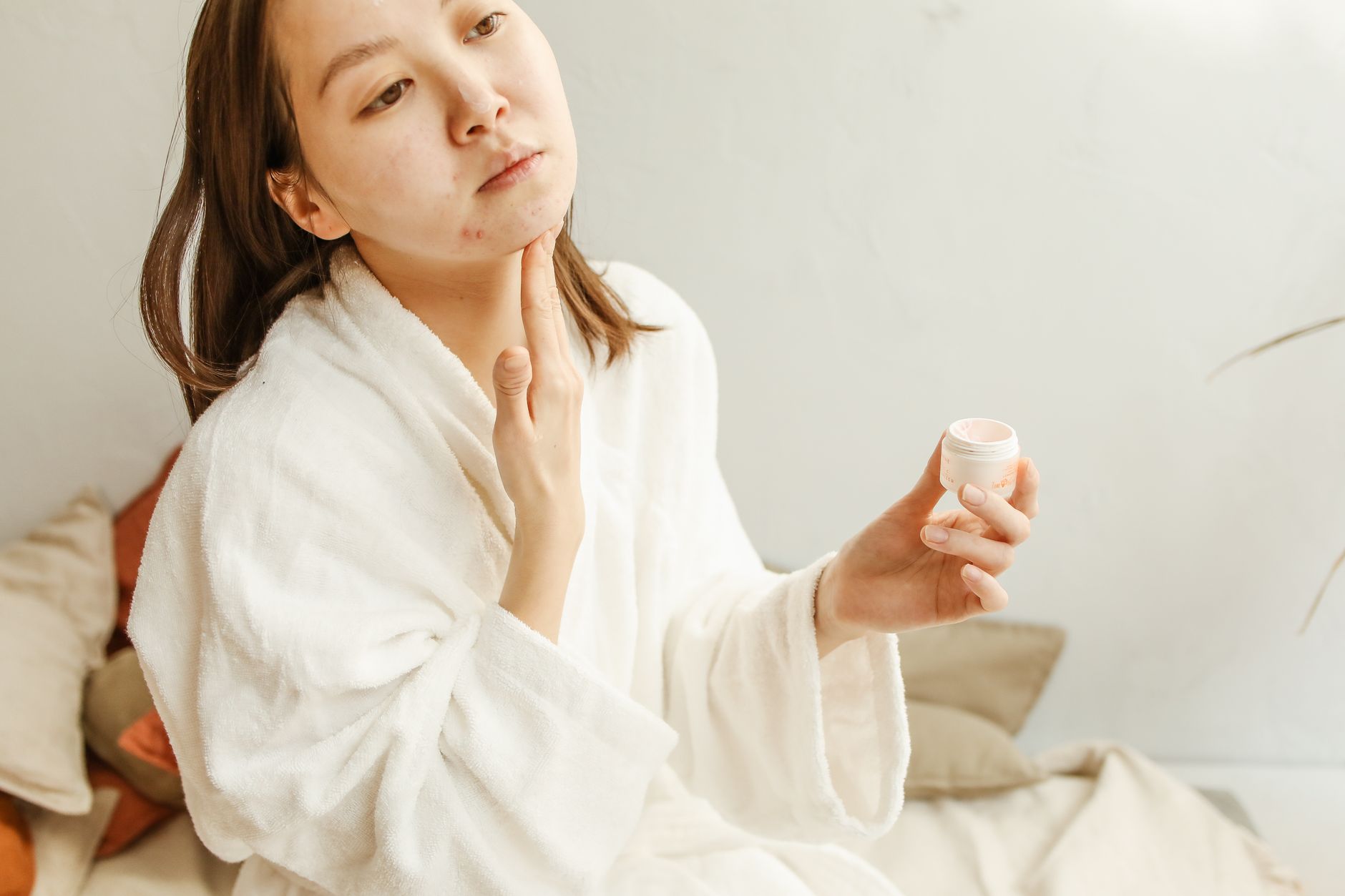
An acne winter flare means breakouts that get worse during cold, low-humidity months. The benefit is that steady barrier care and small treatment adjustments can reduce flares, while the risk is added dryness, peeling and irritation, so take targeted questions about prescriptions and daily care to a clinician.
Acne-prone skin reacts to both weather and treatment. Cold air strips moisture, and many effective acne products dry the skin further. A winter plan protects the barrier without stopping treatment.
Medical information disclaimer: This article is for general educational purposes only and does not provide medical advice, diagnosis, or treatment. Always consult a physician or other qualified health professional about symptoms, medications, tests, or treatment decisions.
Table of Contents
- Why does cold weather trigger breakouts?
- Does everyone worsen in winter?
- Why do treatments feel harsher in winter?
- What daily routine protects acne-prone skin?
- What should you ask your clinician?
Why does cold weather trigger breakouts?
Dermatology clinicians explain that cold, low-humidity air dries the surface and weakens the barrier. The skin may then make extra sebum while dry flakes build up. That mix can clog pores and start flares in acne-prone people, according to Apex Skin.
Short showers, gentle cleansing and early moisturizing limit that cycle. Dryness itself does not cause acne, but cracking and flaking make blockages more likely. Keeping the barrier smooth helps medication work with less sting.
Does everyone worsen in winter?
No. Seasonal change is common, but winter worsening is only one pattern. The Journal of the American Academy of Dermatology research letter found acne cleared more often in summer and fall and worsened significantly in winter, with the trend holding in 6,101 patients seen repeatedly in the JAAD research letter. A 452-patient survey reported a different split: 50.7% noticed any seasonal change, yet only 11.35% worsened in winter while 56.33% worsened in summer, as reported in the PubMed-indexed study in the 2002 seasonal survey.
Your own history matters more than the season alone. Track flares for two to three months with notes on weather, period, stress, products and new prescriptions. Bring that log to the visit. It helps separate a true winter pattern from irritation, mask friction or a product change.
Why do treatments feel harsher in winter?
First-line options include topical benzoyl peroxide, topical retinoids and antibiotics in combination, oral doxycycline, and oral isotretinoin for severe disease, under American Academy of Dermatology guidance. Those topical drugs commonly cause dryness, peeling, redness and burning. Winter air amplifies that irritation. Clinicians often advise moisturizing regularly, using benzoyl peroxide in the morning and retinoid at night rather than layering them, and pausing scrubs, toners and acids while irritated, according to the Skin Wellness Dermatology retinoid handout in the retinoid care handout.
Do not pick or squeeze lesions because it prolongs healing and raises infection and scar risk, according to American Academy of Dermatology skin-care guidance. The benefit of staying the course is steadier control and less picking, redness and scarring over time. The risk of pushing through strong irritation is cracks, burning and missed doses. Report spreading redness, swelling, crusting, severe burning or sudden worsening after a new oral drug.
What daily routine protects acne-prone skin?
Use a gentle cleanser and a light, oil-free, non-comedogenic moisturizer, preferably with ceramides for barrier support. Wash after sweating, remove makeup before bed and keep hands off breakouts. Cleveland Clinic dermatologists advise moisturizing within 3 to 5 minutes of bathing, choosing fragrance-free ceramide and cholesterol products, running a humidifier, avoiding hot showers and wearing sunscreen, detailed in the winter skin protection guide.
- Cleanse morning and night with lukewarm water, then moisturize while skin is slightly damp.
- Apply benzoyl peroxide and retinoid at separate times if both are prescribed.
- Pause exfoliating acids, harsh scrubs and astringent toners during peeling or burning.
- Use humidifier air at night, short warm showers and daily sunscreen.
What should you ask your clinician?
Bring your product list, prescription timing and flare log. Ask whether your retinoid strength, benzoyl peroxide frequency or moisturizer needs a winter change. Ask how to layer products and how long to wait between steps. Ask what irritation is expected and what should prompt a call.
Useful questions are whether to reduce nights per week, switch to a milder cleanser, add a ceramide moisturizer, or change shaving, hair products or makeup. For severe, painful nodules, scarring or low mood from acne, ask about stronger options and referral timing. End the visit with one clear plan: which products to use morning and night, what to pause, and when to report back. Write the follow-up date on the plan and keep the irritation log until then.
You Might Also Like
- Some By Mi Acne: Benefits, Risks, and Questions for a Clinician
- Microbiome-Friendly Acne Care Questions Raised in 2026: Safety and Skin-Reaction Questions for People Using Topical Antibiotics
- Microbiome-Friendly Acne Care Questions Raised in 2026: A Source-Checked 2026 Briefing for Adults With Persistent Acne