
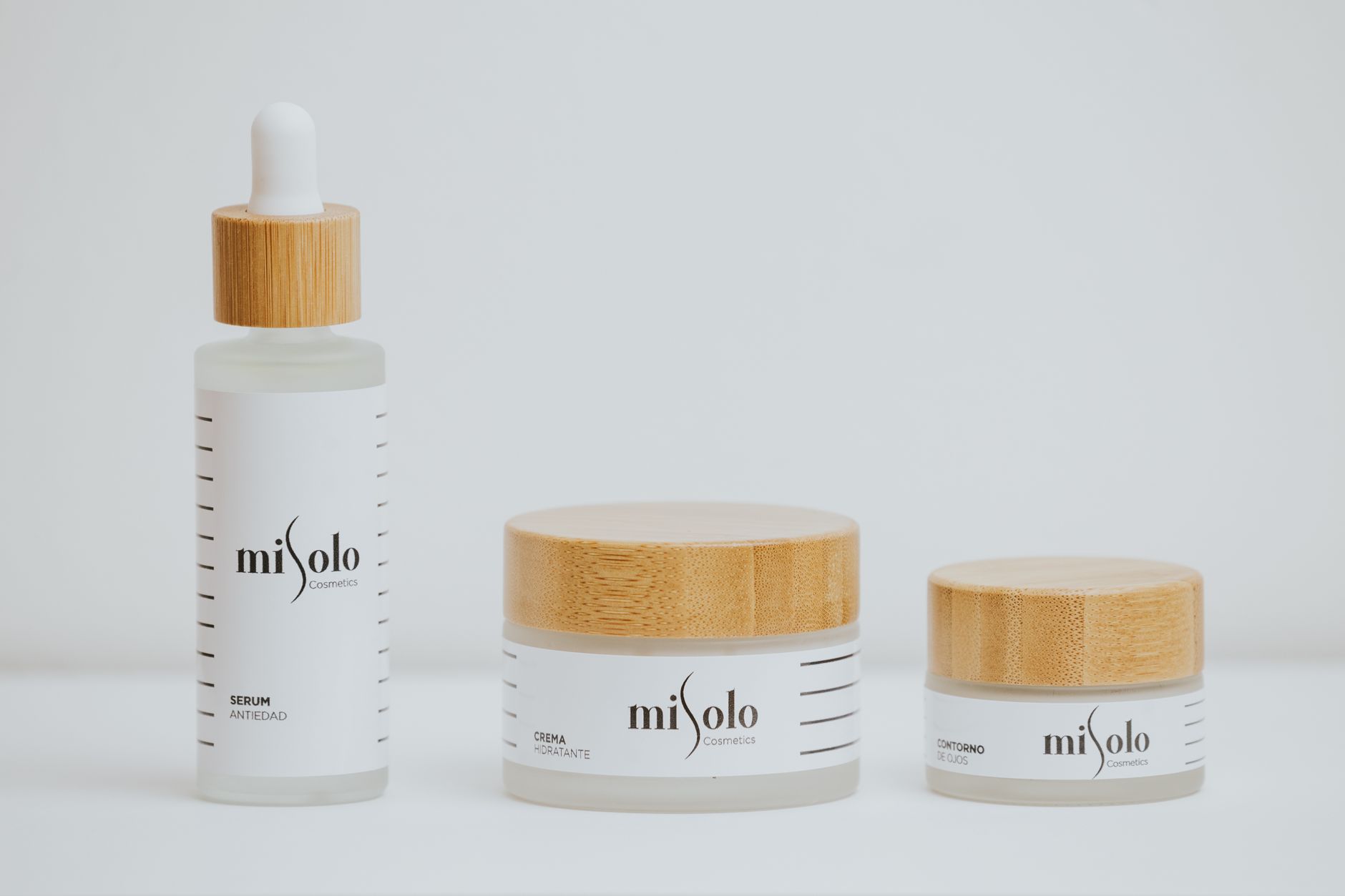
Adults with persistent acne can treat breakouts while protecting microbes by limiting antibiotics, pairing them with benzoyl peroxide, and using gentle cleansing plus moisturizer. Early 2026 research adds selective tools that lower acne-linked microbes while sparing helpful ones.
The skin microbiome means the community of bacteria and other microbes living on skin. This briefing translates recent findings into daily choices. It focuses on proven routines and flags experimental options still in lab or animal testing.
Medical information disclaimer: This article is for general educational purposes only and does not provide medical advice, diagnosis, or treatment. Always consult a physician or other qualified health professional about symptoms, medications, tests, or treatment decisions.
Table of Contents
- How do antibiotics fit without harming microbes?
- What selective approaches emerged in 2026?
- Which daily routine preserves microbial diversity?
- What should adults skip or discuss first?
How do antibiotics fit without harming microbes?
Current U.S. guidance from the American Academy of Dermatology recommends limiting oral-antibiotic duration and always pairing oral or topical antibiotics with benzoyl peroxide to reduce resistance updated AAD guidance. Shorter courses lower pressure on helpful skin bacteria.
Combination use keeps the antibiotic effective at lower exposure. For adults with persistent breakouts, that means asking about a stop date at the start. It also means using benzoyl peroxide alongside the antibiotic rather than alone. Do not extend refills without review.
What selective approaches emerged in 2026?
The Journal of Drugs in Dermatology reported in June 2026 that topical bacteriophages reduced Cutibacterium acnes versus placebo and increased microbiome diversity, pointing to skin-health effects beyond lesion counts randomized phage trial. Phages are viruses that infect bacteria. Selective killing may preserve diversity better than broad antibiotics. Laboratory work reported by News-Medical in June 2026 found specific botanical extracts suppressed Staphylococcus aureus and acne-associated C. acnes while modestly supporting beneficial Staphylococcus epidermidis. A January 2026 cell study in the International Journal of Molecular Sciences found microbiome-derived indole-3-lactic acid reduced C.
acnes-driven inflammation through the aryl hydrocarbon receptor pathway. Both support metabolite and prebiotic strategies rather than broad killing. Researchers at Universitat Pompeu Fabra also engineered C. acnes to produce and secrete an anti-acne molecule. The team validated delivery in skin cell lines and mouse skin. No human efficacy data exist yet, so this remains experimental.
Which daily routine preserves microbial diversity?
An international expert consensus in the Journal of the European Academy of Dermatology and Venereology advises gentle synthetic-detergent or lipid-free cleansers, added moisturizer, and selected dermocosmetics that preserve diversity, including pre- or post-biotic ingredients adult acne care consensus. Harsh scrubs and strong detergents strip lipids.
Dry, cracked skin is harder to treat. A simple microbiome-aware routine looks like this: Use lukewarm water and fingertips rather than brushes. Introduce only one new product at a time to spot irritation.
- Cleanse once or twice daily with a gentle synthetic-detergent or lipid-free product.
- Apply treatment as directed, then add a non-comedogenic moisturizer to support barrier function.
- Choose dermocosmetics labeled to preserve microbial diversity or contain pre- or post-biotic ingredients.
What should adults skip or discuss first?
A 2026 systemic-therapy review in Dermatology Times finds probiotic and gut-skin-axis evidence promising but sparse and strain-dependent systemic acne therapy review. Effects vary by strain and formulation. Gut findings do not prove a skin benefit.
The same review notes FDA has not approved live topical probiotics, partly over bloodstream-entry risk on damaged skin. Adults should therefore prioritize proven combinations and gentle routines over live-microbe claims. Bring your full product list to the visit and ask how to shorten any antibiotic course.
You Might Also Like
- Milk, Dairy, and Acne Evidence Revisited in 2026: A Source-Checked 2026 Briefing for Adults With Persistent Acne
- High-Glycemic Diets and Acne Evidence Revisited in 2026: A Source-Checked 2026 Briefing for Adults With Persistent Acne
- Why the 2026 Acne Diet Review Warns Against Restrictive Regimens: A Source-Checked 2026 Briefing for Adults With Persistent Acne