
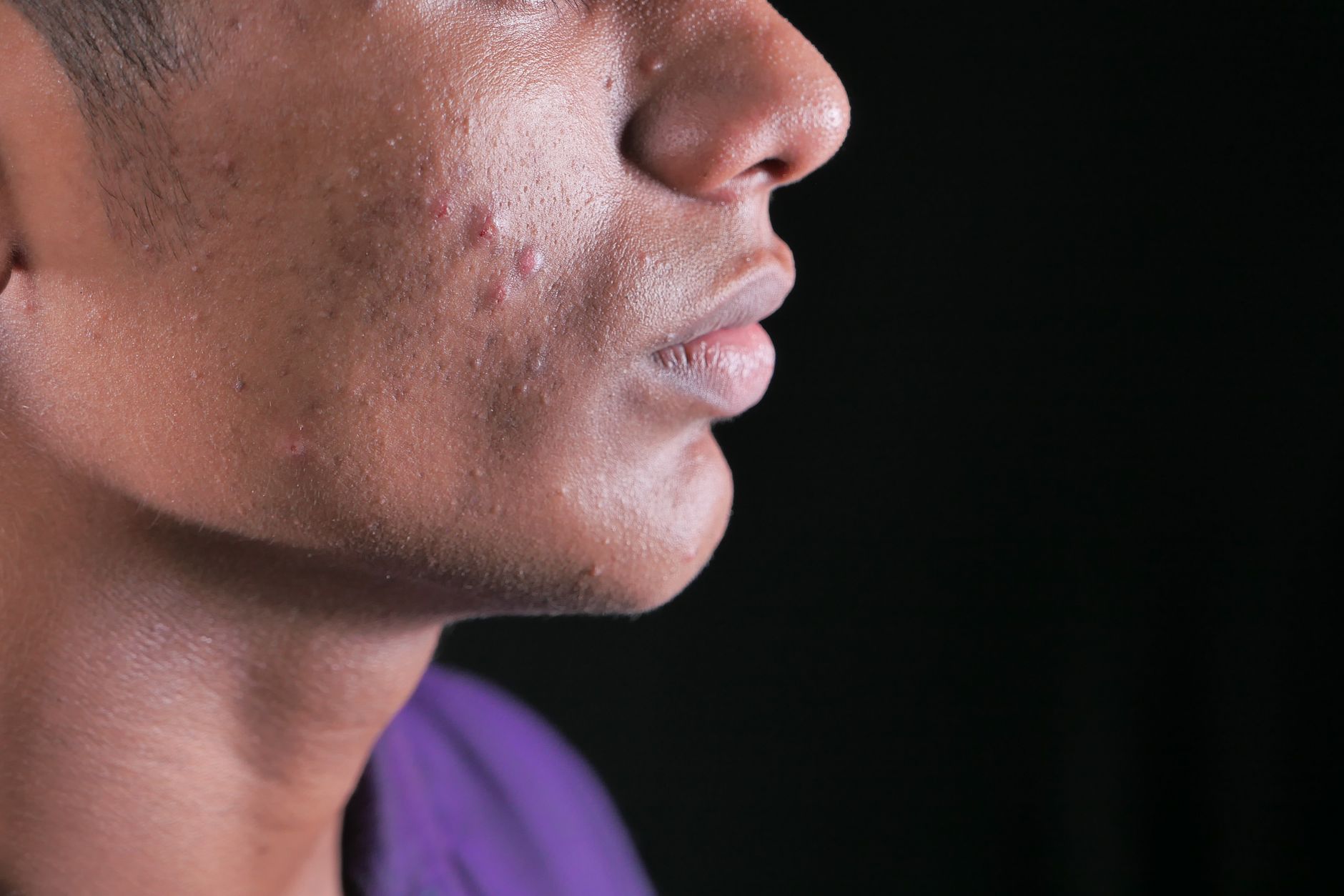
Some By Mi acne care pairs exfoliating acids with tea tree, centella and niacinamide to clear pore buildup and calm mild breakouts, but it can cause irritation and raise sun sensitivity. Use it only if it suits your acne type, and ask a clinician what to pause and when to seek care.
The core line is the SOME BY MI 30 Days Miracle collection for acne-prone skin. AHA means alpha hydroxy acid, which loosens dead cells on the surface. BHA means beta hydroxy acid, which helps clear oil inside pores, while PHA means polyhydroxy acid, a milder exfoliant.
Medical information disclaimer: This article is for general educational purposes only and does not provide medical advice, diagnosis, or treatment. Always consult a physician or other qualified health professional about symptoms, medications, tests, or treatment decisions.
Table of Contents
- What is in the toner and foam?
- What benefit might you see?
- What risks need attention?
- What should you ask a clinician?
What is in the toner and foam?
The iHerb product listing describes the 30 Days Miracle Toner as 10,000 ppm tea-tree leaf water with citric acid, salicylic acid, lactobionic acid and 2% niacinamide for dead-cell care and sebum control the toner formula. Niacinamide is a form of vitamin B3 often used to support barrier function and even tone. The foam is a mildly acidic cleanser with salicylic acid plus AHA and PHA, a centella-based Truecica complex and calamine.
It is marketed for dead-cell care, soothing and sebum control in oily, acne-prone skin. FDA-listed Drug Facts from OTC Labels list salicylic acid 0.5% in that foam as the acne active, with a Sunburn Alert for its AHA content the foam Drug Facts. That label directs sunscreen, protective clothing and limited sun during use and for a week after.
What benefit might you see?
For mild-to-moderate pimples and blackheads, regular exfoliation can reduce clogging and make pores look clearer. Tea tree may add a soothing, antimicrobial-style effect for inflamed spots. In a 124-patient trial, UL Prospector reporting on Bassett and colleagues found 5% tea-tree gel and 5% benzoyl peroxide both cut inflamed and non-inflamed lesions, with tea tree slower but less drying and stinging the 1990 tea-tree trial summary.
That result involved tea-tree gel, not the full Some By Mi routine. A 12-week open pilot of tea-tree products for mild-to-moderate acne reported lesion improvement and good tolerability. It had no control group, so it cannot prove superiority, and it did not cover severe nodulocystic acne.
What risks need attention?
Expect some mild burning, dryness, peeling or redness when starting acids. Test a small area first, avoid broken, red, swollen or infected skin, use only as directed, and cut back frequency if irritation appears. Sun care matters because AHAs raise UV sensitivity.
Use daily sunscreen, wear a hat or protective clothing, and limit sun while using the products and for about one week after stopping. Rare reactions to salicylic acid or benzoyl peroxide acne products can be severe. Stop use and seek urgent care for warning signs such as:.
- hives, itch with rash, wheezing or trouble breathing
- swelling of face, lips, eyes or tongue
- severe burning, blistering, swelling or intense redness
What should you ask a clinician?
Medscape summarizing 2016 American Academy of Dermatology guidance notes topical retinoids, benzoyl peroxide, antibiotics and salicylic acid as first-line for mild-to-moderate acne the AAD guidance summary. Ask whether an acid toner or foam fits your plan and what to pause to avoid stacking irritants. Bring a list of every active you use, including retinoids, benzoyl peroxide, antibiotics and other acid toners or peels.
Ask how often to use the new product, where to apply it, and how long to trial it before judging results. Seek prompt care for cysts or deep nodules, scarring, no improvement after 8-12 weeks, worsening pain or dark marks, or if you are pregnant or breastfeeding. Children and teens with chickenpox or flu should avoid topical salicylic acid unless a doctor directs it because of Reye risk.