
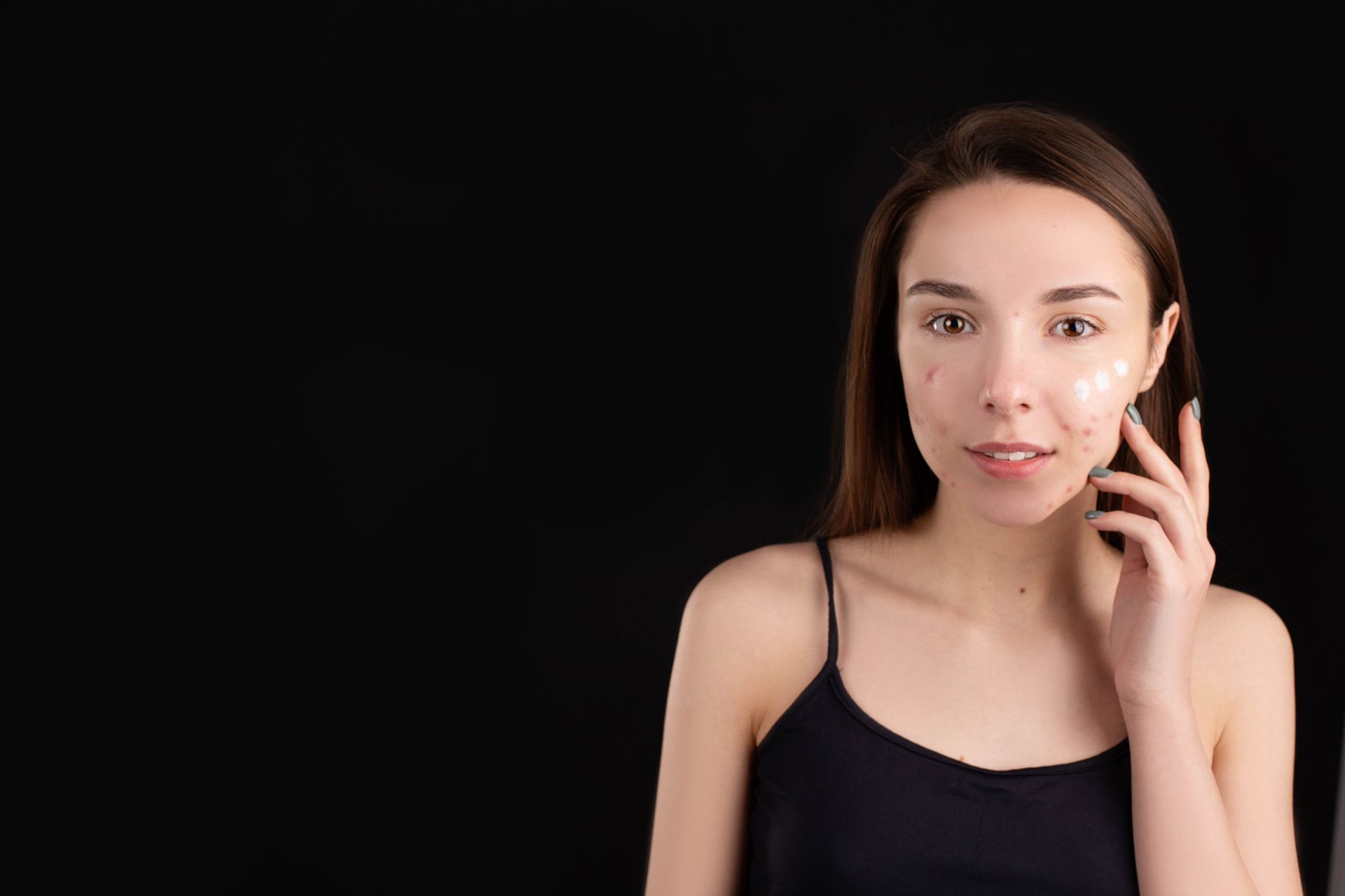
The most reliable way for teens to clear acne is a simple daily routine built on proven topical medicines: benzoyl peroxide, a topical retinoid, and sometimes a topical or oral antibiotic. Acne is the most common skin condition in the United States, affecting up to about 85% of people aged 12 to 24, according to the NIH's acne overview, so a teen struggling with breakouts is in a large and treatable majority. Acne starts at puberty when rising androgen hormones boost oil (sebum) production, clogging pores and feeding inflammation from *Cutibacterium acnes* bacteria. The good news: dermatologists now have clear, updated guidance on what actually works, and most cases improve with consistent over-the-counter or prescription care.
Medical information disclaimer: This article is for general educational purposes only and does not provide medical advice, diagnosis, or treatment. Always consult a physician or other qualified health professional about symptoms, medications, tests, or treatment decisions.
Table of Contents
- Start with proven over-the-counter ingredients
- Why retinoids are the cornerstone
- When and how to combine treatments
- Newer and stronger options for tough acne
- When to see a dermatologist
- Frequently Asked Questions
Start with proven over-the-counter ingredients
Two ingredients do most of the early work: benzoyl peroxide and topical retinoids. In its updated 2024 acne guideline, the American Academy of Dermatology strongly recommends benzoyl peroxide and topical retinoids for patients aged 9 and up. Benzoyl peroxide kills acne bacteria and helps unclog pores. A topical retinoid—a vitamin A derivative—prevents the plugs that become pimples and calms inflammation.
Adapalene (sold as Differin) is a retinoid now available without a prescription, making it an easy starting point for teens. Start slowly to avoid dryness and irritation. Apply a pea-sized amount every other night at first, use a gentle non-soap cleanser, and add a fragrance-free moisturizer. Give any routine 8 to 12 weeks before judging results.
Why retinoids are the cornerstone
Topical retinoids do more than clear current pimples—they keep new ones from forming. The AAD calls them the "cornerstone" of both treatment and long-term maintenance because they are comedolytic (they break up pore plugs) and anti-inflammatory. Four retinoids are FDA-approved for acne: tretinoin, adapalene, tazarotene, and trifarotene, per the 2024 AAD guideline.
Adapalene is the mildest and most accessible; a dermatologist may prescribe a stronger option if breakouts persist. Because retinoids work on the cause of new pimples, teens should keep using them even after skin clears. Stopping often lets acne return within weeks.
When and how to combine treatments
Single products help mild acne, but combinations clear moderate acne faster. The AAD strongly recommends fixed-dose combinations that pair ingredients in one product: benzoyl peroxide plus a retinoid, benzoyl peroxide plus an antibiotic, or a retinoid plus an antibiotic. If a topical antibiotic is used, it should almost always be paired with benzoyl peroxide.
The AAD guideline advises this specifically to curb antibiotic resistance—using an antibiotic alone lets bacteria adapt and stop responding. Age matters when antibiotics enter the plan. Most oral antibiotics for acne, such as doxycycline, are not given to children under 8 because they can affect developing teeth and bones. Treatment choice therefore depends on the teen's exact age and how severe the acne is.
Newer and stronger options for tough acne
Two prescription options matter when standard care falls short. The first is clascoterone (Winlevi), a 1% cream the FDA approved on August 26, 2020 for patients 12 and older. It blocks androgen hormones in the skin and was the first genuinely new acne mechanism in about 40 years. For severe, scarring, or stubborn acne, dermatologists may consider oral isotretinoin.
The FDA indicates it only for severe recalcitrant nodular acne in non-pregnant patients 12 and older—it is not a routine first-line teen treatment. Isotretinoin carries serious requirements. It is a potent teratogen, meaning it causes birth defects, so the FDA-required iPLEDGE program mandates pregnancy testing and strict controls for anyone who can become pregnant. This drug demands close medical supervision.
When to see a dermatologist
Over-the-counter care is a reasonable first step, but some signs call for professional help. See a dermatologist if you notice any of the following: A dermatologist can prescribe combination products, hormonal treatments, or isotretinoin that aren't available over the counter. Bringing a short list of what you've already tried, and for how long, helps them choose the next step quickly.
- Deep, painful cysts or nodules under the skin
- Acne that scars or leaves lasting dark marks
- Breakouts that don't improve after 12 weeks of consistent OTC treatment
- Acne severe enough to affect mood, confidence, or daily life
Frequently Asked Questions
How long until acne treatments work?
Give any routine 8 to 12 weeks of consistent daily use before deciding it isn't working. Improvement is gradual, not overnight.
Can I stop treatment once my skin clears?
Usually no. Retinoids prevent new pimples, so stopping often brings acne back within weeks. Maintenance keeps skin clear.
Is popping pimples ever okay?
No. Squeezing pushes inflammation deeper, raising the risk of scarring and dark marks. Let treatments do the work instead.