
With acne retinoids — prescription vitamin-A treatments that speed cell turnover to clear acne — neither exfoliator suits nightly use. KORA Turmeric Scrub relies on physical polish plus enzymes, while Humanrace Lotus Enzyme Exfoliator adds stronger acids with higher irritation potential.
Retinoid users already face dryness and peeling. The choice turns on texture, acid strength, and timing. Separating exfoliation from retinoid nights lowers burning and redness.
Medical information disclaimer: This article is for general educational purposes only and does not provide medical advice, diagnosis, or treatment. Always consult a physician or other qualified health professional about symptoms, medications, tests, or treatment decisions.
Table of Contents
- What is inside each exfoliator?
- Why do retinoids clash with scrubs?
- Which formula is riskier on retinoids?
- How should acne-retinoid users time them?
What is inside each exfoliator?
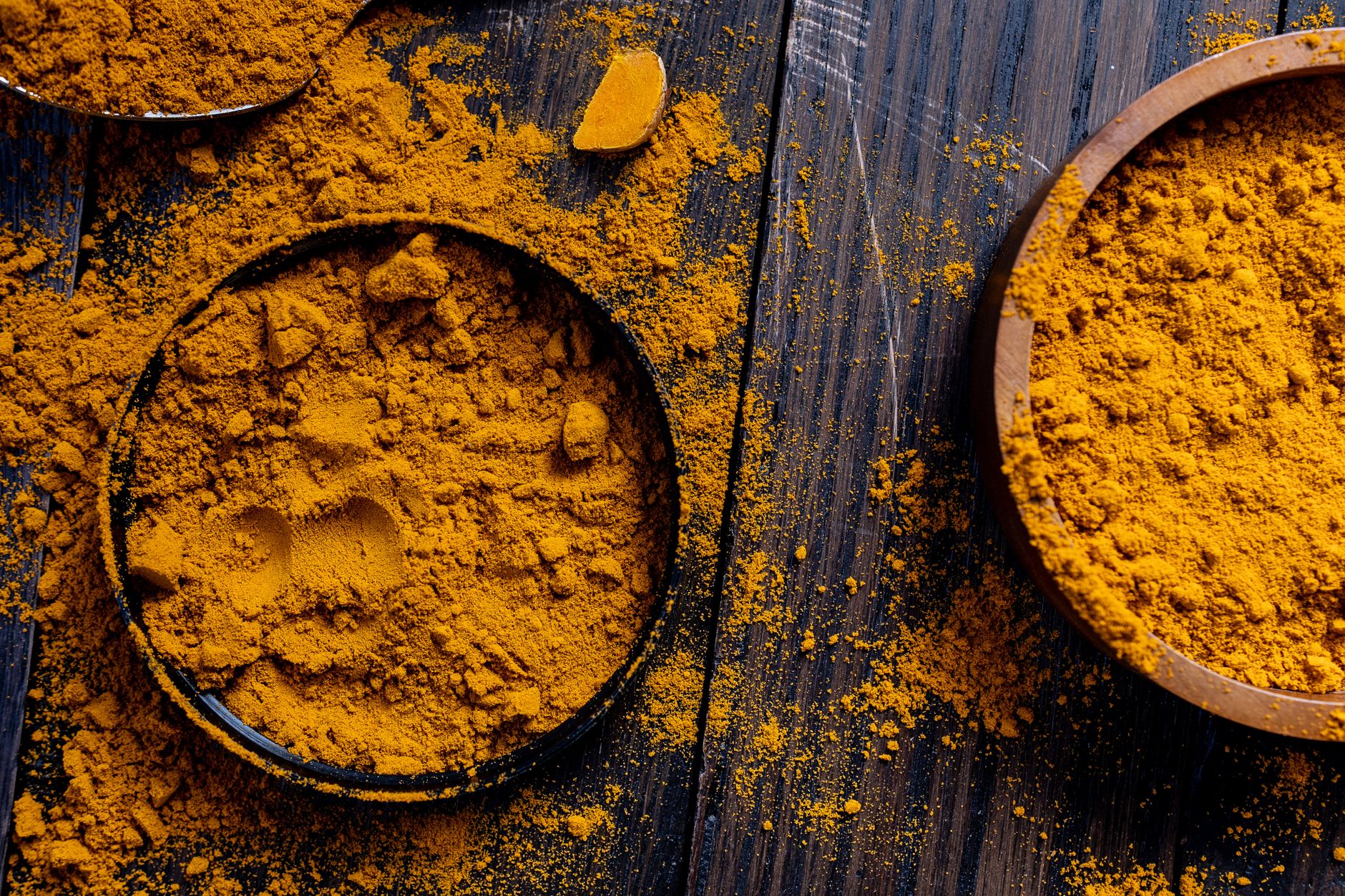
According to KORA Organics, its Turmeric Brightening Exfoliating Scrub + Mask uses turmeric to brighten and improve tone for a natural glow product listing. ModeSens and OnBuy listings describe rosehip seeds and quartz plus papaya and aspen-bark enzymes. Users massage it into damp skin or leave it 5-15 minutes as a mask.
Humanrace takes a triple-action approach. According to the LuisaViaRoma product description, the Lotus Enzyme Exfoliator combines 8% glycolic acid, 2% fruit AHAs, pumpkin, papaya and pomegranate enzymes, lotus leaf, and rice particles LuisaViaRoma product description. Humanrace also lists glycerin, cetyl and cetearyl alcohols, rice powder and bran water, lotus extract, and lactobacillus fruit ferments. Glycolic acid means an alpha-hydroxy acid that loosens dead cells.
Why do retinoids clash with scrubs?
Retinoids commonly cause dryness, redness, peeling, and higher sun sensitivity. Harvard Health and Cleveland Clinic advise starting 2-3 nights weekly, using moisturizer, and wearing broad-spectrum SPF 30+ daily.
The interaction warning is direct. FDA tretinoin labeling on DailyMed states that abrasive soaps, strong-drying cosmetics, alcohol, astringents, sulfur, resorcinol, or salicylic acid need caution with tretinoin because of possible interaction FDA tretinoin labeling on DailyMed. Patient instructions from Skin Wellness Dermatology tell retinoid users to avoid abrasive soaps, astringents, toners, scrubs, or buff puffs because they increase irritation patient instructions from Skin Wellness Dermatology.
Which formula is riskier on retinoids?
KORA brings two irritation routes: grit and enzymes. Rosehip seeds and quartz physically lift cells. Papaya and aspen-bark enzymes dissolve surface buildup without acid burn, but friction still stings retinoid-thinned skin.
Humanrace brings three routes: grit, enzymes, and acids. Rice particles add friction. Glycolic acid plus fruit AHAs penetrate deeper and sting more when the barrier is weak.
- KORA: turmeric base, seed and mineral grit, enzyme action, no listed glycolic strength
- Humanrace: 8% glycolic acid plus 2% fruit AHAs, enzyme blend, rice particles
- Shared risk: friction plus active exfoliation on dry, peeling retinoid skin
How should acne-retinoid users time them?
Do not layer either scrub before tretinoin. Use exfoliators on non-retinoid nights or mornings, then pause if burning lasts. Acne-retinoid users need the gap most during the first weeks and during flare-ups.
- Use retinoid 2-3 nights weekly at first, on clean dry skin
- Place scrub on a different evening, once weekly at most
- Skip both scrub and acid if skin burns, peels heavily, or feels tight
- Moisturize after each step and wear broad-spectrum SPF 30+ each morning
You Might Also Like
- Humanrace Rice Powder Cleanser vs Loved01 Cream Cleanser for Acne-Prone Skin
- Vitamin C, Vitamin E, and Ferulic Acid After Acne Scar Laser in 2026: What the Trial Means for People With Rolling Acne Scars
- Vitamin C, Vitamin E, and Ferulic Acid After Acne Scar Laser in 2026: How People With Atrophic Acne Scars Can Avoid Overreading the Headline