
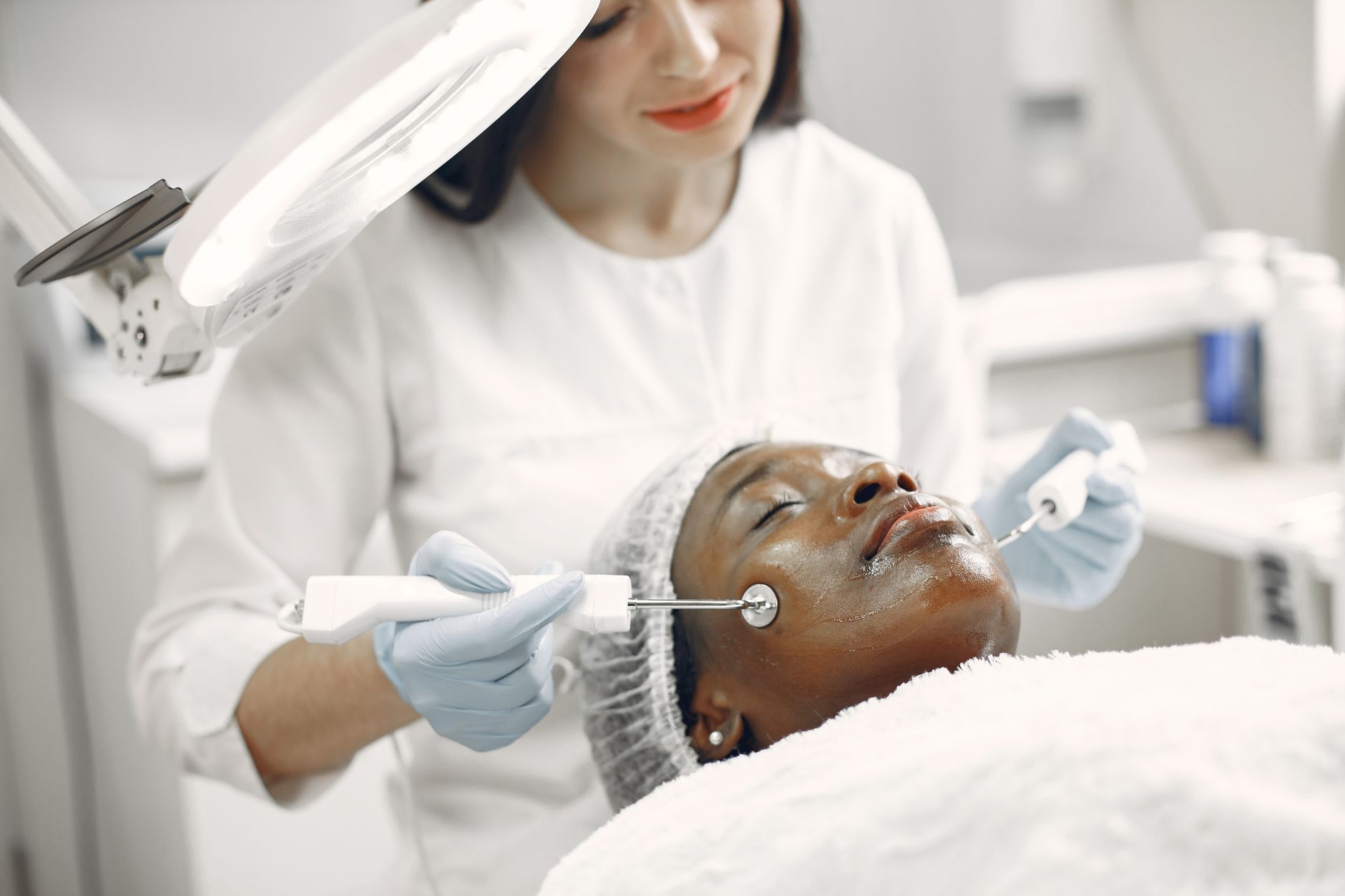
After a dermatologist extraction, a clinician's in-office clearing of clogged pores, apply gentle cleanser, petroleum jelly on open spots, moisturizer, and sunscreen. Avoid makeup, harsh actives, and picking or squeezing treated skin. Extractions leave pores open and skin tender. The next few days decide whether spots heal flat or turn dark, crusty, or infected.
Medical information disclaimer: This article is for general educational purposes only and does not provide medical advice, diagnosis, or treatment. Always consult a physician or other qualified health professional about symptoms, medications, tests, or treatment decisions.
Official resources:
- Apply through Ohsu’s official page — Use this page to review requirements and apply directly.
- Read the official guidance from Aad — Use this primary source to verify the official guidance.
Table of Contents
- What should you apply first?
- What should you avoid?
- How can you calm swelling?
- How long does healing take and when should you call?
What should you apply first?
Wash treated skin gently with lukewarm water and a non-abrasive, alcohol-free cleanser. According to the American Academy of Dermatology, use fingertips and pat dry without scrubbing, as described in face-washing guidance. This removes oil and debris without tearing delicate healing edges. Keep any open or oozing spot moist with petroleum jelly from a squeeze tube.
Cover it with a clean bandage, then cleanse gently and reapply daily until closed, following the American Academy of Dermatology's skin-biopsy wound-care tips. A tube limits finger-to-product germ transfer. Once skin closes, use a lightweight, non-comedogenic, fragrance-free moisturizer. Add daily broad-spectrum, water-resistant sunscreen SPF 30 or higher, plus shade and protective clothing. Sun protection lowers the chance of dark marks while pink new skin matures.
What should you avoid?
Avoid makeup on treated skin for at least 24 hours. Oregon Health and Science University advises waiting 2 days after cosmetic procedures before cream or makeup. Makeup brushes, sponges, and fingers can move bacteria into open pores. Pause harsh products until redness settles, often 1 to 7 days.
That group includes retinoids and retinol, AHAs and BHAs, scrubs, benzoyl peroxide, astringents, and vitamin C. Restart only as your clinician directs, one product at a time. Do not pick, squeeze, or repeat at-home extractions. Dermatologist Melissa Piliang warns at Cleveland Clinic that squeezing can cause scarring, infection, more breakouts, and dark spots lasting months, as explained in pimple-popping guidance. Hands also add pressure that swollen walls cannot handle.
How can you calm swelling?
Use brief cold to reduce puffiness on day one. Options include 10 minutes each hour or alternating 20 minutes on and off. Cold constricts surface vessels and dulls soreness.
Never place ice directly on bare skin. Wrap it in a clean thin cloth and stop if burning, numbness, or blotchy paleness occurs. Keep the area clean and avoid rubbing the cloth over open spots.
How long does healing take and when should you call?
Healing time varies by lesion depth, technique, and skin type, often 3 to 10 days. Small superficial openings may dry in a few days. Deeper or inflamed spots stay red and tender longer.
Use clinician-prescribed products only during this window. Do not add new acids, peels, masks, or home remedies to speed closure. Extra layers often irritate and delay repair. Seek prompt care for warning signs instead of continuing home aftercare: Persistent pain, spreading redness, pus, or a non-healing spot needs clinician evaluation.
- rising pain, spreading redness, warmth, or swelling
- yellow or green pus, foul odor, or fever
- a spot that does not close, bleeds repeatedly, or turns very dark