
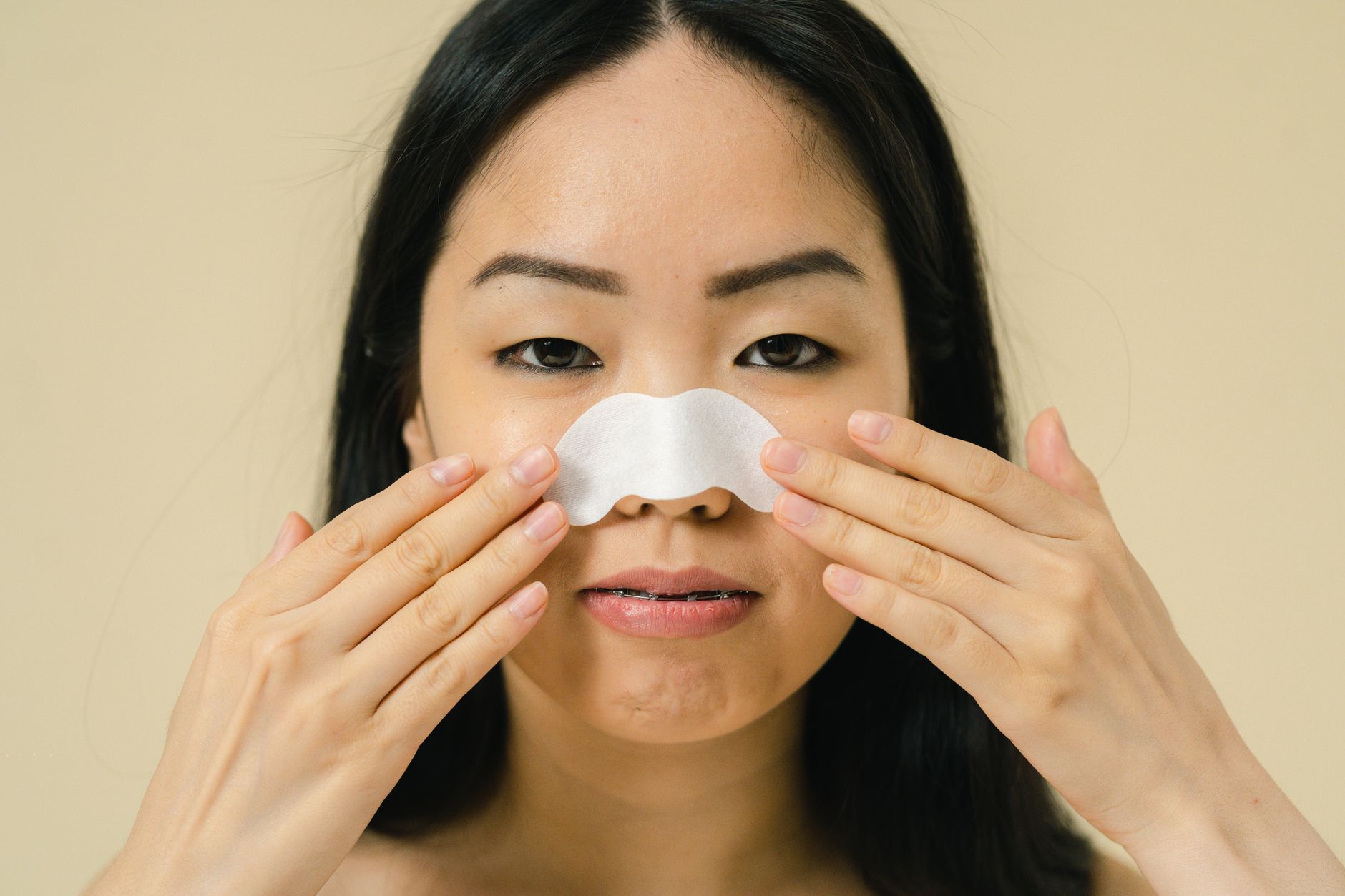
Mild redness after properly performed blackhead extraction, the controlled clearing of a clogged pore, typically fades within a few hours to 48 hours. In winter, recovery often runs toward the longer end of that range, with sensitive skin, many extractions, or a reactive barrier taking longer, according to the extraction recovery guide from Kerry Spindler Skin Health Practice. Winter air and indoor heat pull water from skin at the same time. That added dryness and irritation can make normal pinkness look stronger and slower to settle.
Medical information disclaimer: This article is for general educational purposes only and does not provide medical advice, diagnosis, or treatment. Always consult a physician or other qualified health professional about symptoms, medications, tests, or treatment decisions.
Table of Contents
- Why does winter slow fading redness?
- What helps skin settle after a winter extraction?
- Do you need sunscreen on cloudy winter days?
- When is redness no longer normal?
Why does winter slow fading redness?
Winter outdoor air holds less moisture and indoor heating further lowers humidity, so skin loses water both outside and inside. The result is a drier starting point before extraction even begins, according to Cleveland Clinic winter skin advice.
Cold weather also reduces the skin's natural oils that maintain the barrier and lock in moisture. With less oil protection, winter skin is more prone to dryness, tightness, rash, and irritation after extraction. Reduced circulation and slower cell turnover in cold weather further slow repair, according to The London Dermatology Centre.
What helps skin settle after a winter extraction?
Keep the routine simple and protective for the first day or two. Avoid scrubbing, picking at spots, strong acids, retinoids, and very hot water while pinkness remains.
Dermatologists advise richer, thicker winter moisturizers that form a barrier, because watery lotions dry too quickly and relieve less, according to Cleveland Clinic dermatologist guidance. Apply moisturizer to slightly damp skin and reapply when skin feels tight. A humidifier at home can reduce overnight water loss.
Do you need sunscreen on cloudy winter days?
Yes. Freshly extracted and exfoliated skin is prone to post-inflammatory darkening, so daily sun protection is the best-supported aftercare step even on cloudy winter days, according to facial aftercare guidance from FacialAdviser.
Use a broad-spectrum sunscreen on exposed skin during the day. Reapply when outdoors for longer periods, especially around snow, water, or bright midday light. Sun protection matters until redness and sensitivity have fully settled.
When is redness no longer normal?
Watch the direction of change after the first day. Normal extraction redness should stay flat or improve, even if winter healing feels slow.
Redness that worsens after the first day, lasts beyond a few days, or comes with swelling, pain, pus, or warmth may signal irritation or infection. That pattern should prompt dermatologist advice rather than being treated as normal winter slowness.