
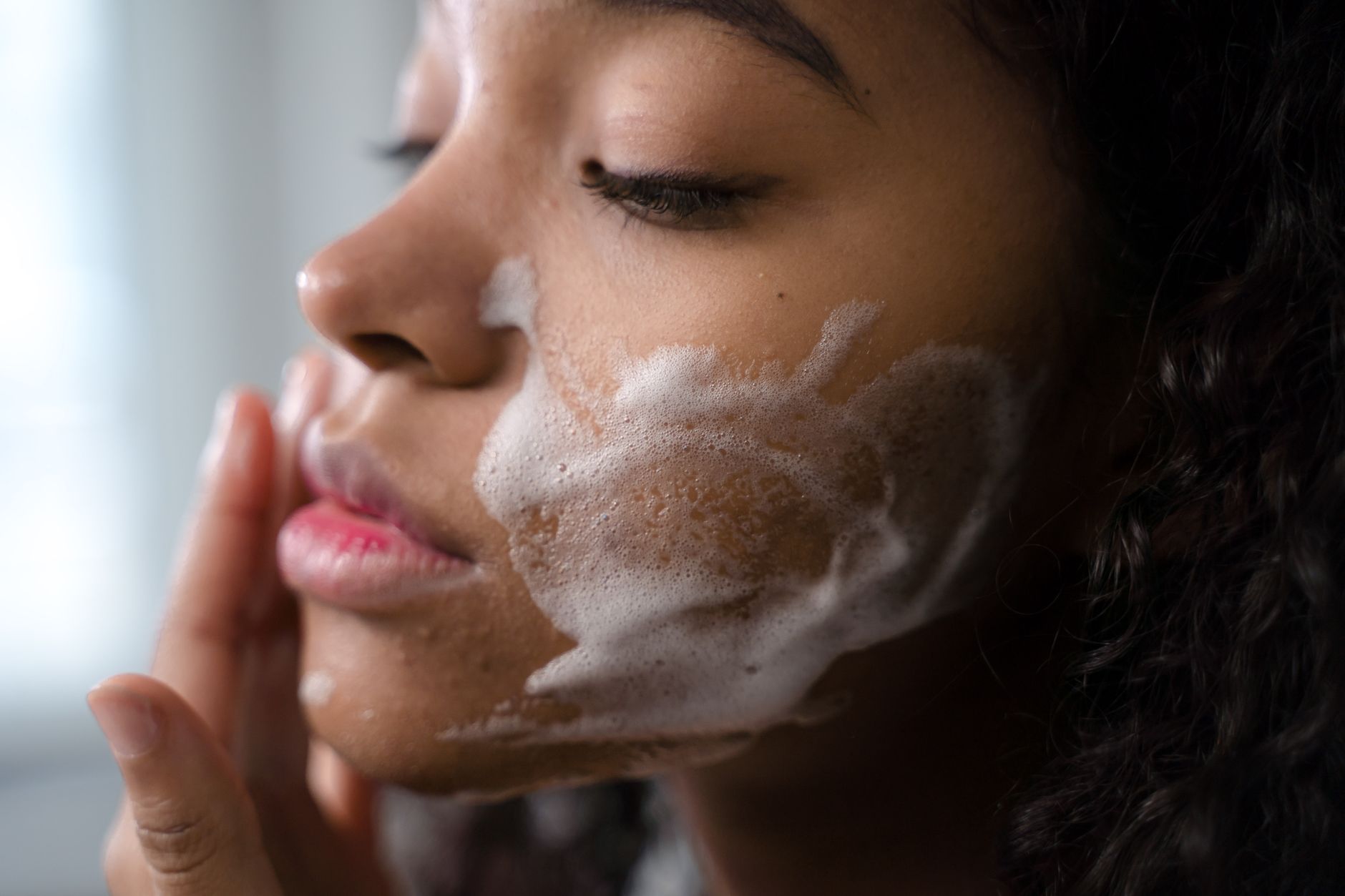
Yes, a dermatologist-approved routine does change for winter acne. You keep treating breakouts, but you cleanse gentler, moisturize smarter, and soften harsh actives.
Winter acne means breakouts that flare in cold months. Cold, dry air plus indoor heating strips moisture and weakens the skin barrier, the outer layer that holds water in skin. According to APDerm, that damage prompts extra oil that clogs pores in acne-prone people why breakouts worsen in winter.
Medical information disclaimer: This article is for general educational purposes only and does not provide medical advice, diagnosis, or treatment. Always consult a physician or other qualified health professional about symptoms, medications, tests, or treatment decisions.
Official resource:
- Read the official guidance from Clevelandclinic — Use this primary source to verify the official guidance.
Table of Contents
- Why does winter trigger breakouts?
- Which cleanser and moisturizer should you use?
- How do you stay on acne treatment without irritation?
- When should you stop tweaking and get care?
Why does winter trigger breakouts?
Dry air pulls water from skin all day. Indoor heating adds more drying heat at night. The barrier cracks, water escapes, and oil glands ramp up to compensate.
That extra oil mixes with dry flakes and blocks pores. The result is more blackheads, whiteheads, and inflamed spots along the chin, jaw, and forehead. People with oily or acne-prone skin often feel both tight and greasy at once.
Which cleanser and moisturizer should you use?
Switch to a gentle hydrating cleanser for winter. It removes oil and sunscreen without scrubbing or stinging. Use lukewarm water and short washing time to protect the barrier.
Pair it with a non-comedogenic, oil-free moisturizer, a product made not to clog pores. Heavy winter creams with pore-clogging oils can trigger new breakouts, so lighter but steady hydration works better for acne-prone skin. Columbia Skin Clinic gives the same swap advice for winter acne care tips for combatting winter acne.
- Wash once or twice daily with a mild, fragrance-free cleanser
- Apply moisturizer right after washing, while skin feels slightly damp
- Run a humidifier and wear sunscreen through winter
How do you stay on acne treatment without irritation?
Benzoyl peroxide and salicylic acid fight acne but can dry and irritate skin. The American Academy of Dermatology finds that regular moisturizing plus gentle, non-abrasive cleansing helps ease that dryness dermatologist guide to skincare. Retinoids often sting, peel, or flake more in winter. Dermatologists suggest buffering with moisturizer, using treatment every other night, or moving to a milder formula.
Board-certified dermatologist Dr. Debra Jaliman also recommends the retinoid sandwich: moisturizer, then retinoid, then moisturizer to lock in hydration. For body skin, Cleveland Clinic dermatologist Dr. Shilpi Khetarpal advises fragrance-free moisturizers with ceramides and cholesterol to rebuild the barrier, plus moisturizing soon after showering how to fight off dry skin this winter. Take lukewarm showers of 5 to 10 minutes, pat dry, then seal with cream at once.
When should you stop tweaking and get care?
Home swaps help mild to moderate winter flare-ups. Watch for painful deep cysts, lasting redness, or hormonal acne that will not clear. Those signs need prompt dermatologist review, not another product change.
Bring a list of current cleansers, moisturizers, and actives to the visit. Note how often you use retinoids, benzoyl peroxide, or salicylic acid. Ask whether to pause, space out, or replace any drying product.