
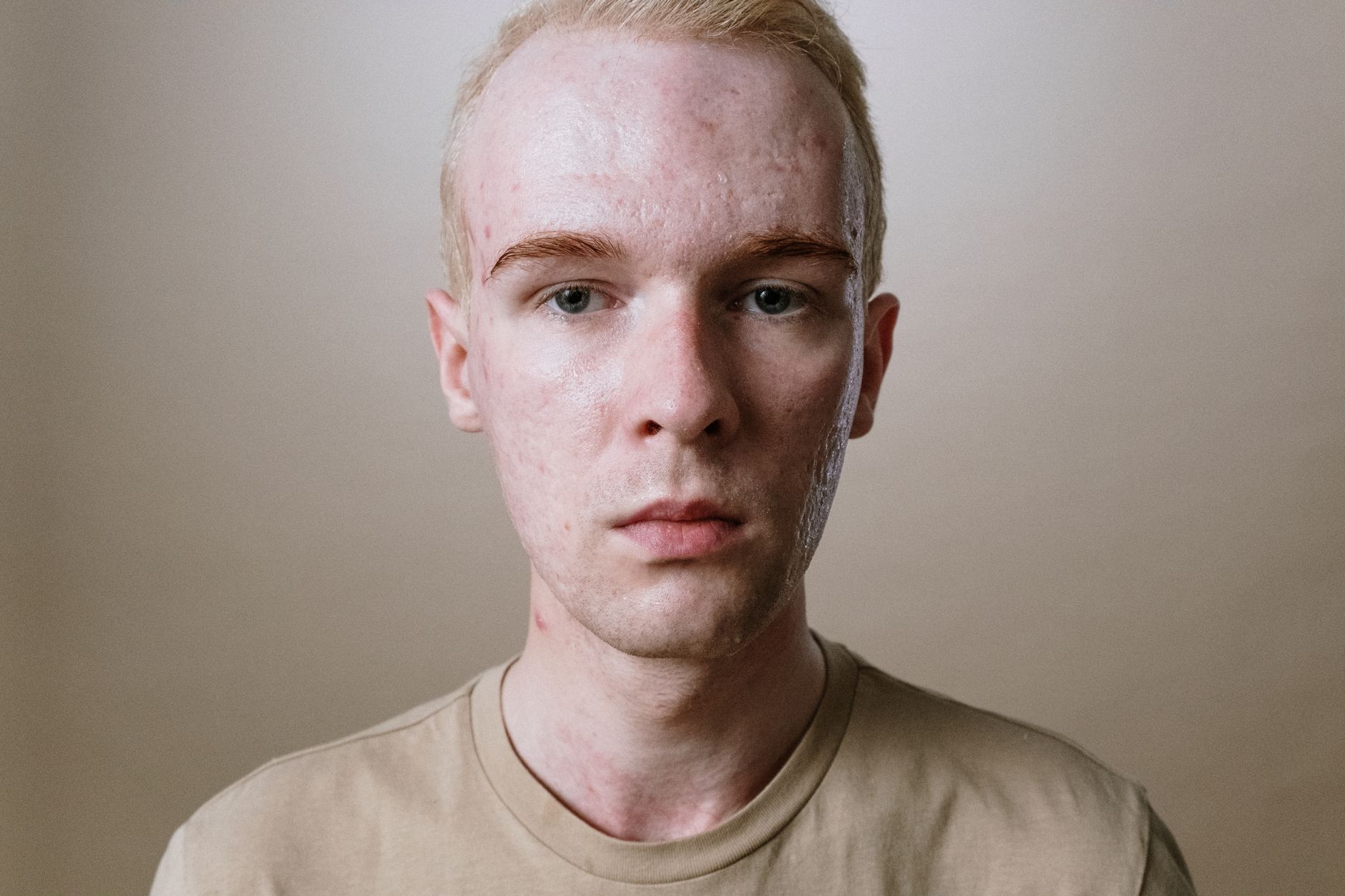
Yes, adult acne can cause whiteheads in your 30s and 40s. These bumps are closed comedones, small skin-covered plugs of oil and dead skin that form when pores clog. HCF links these clogs to excess oil, dead skin cells and bacteria. The Cleveland Clinic describes whiteheads as white or yellowish closed plugs rather than open dark pores, according to Cleveland Clinic's whitehead overview.
Medical information disclaimer: This article is for general educational purposes only and does not provide medical advice, diagnosis, or treatment. Always consult a physician or other qualified health professional about symptoms, medications, tests, or treatment decisions.
Table of Contents
- What is a midlife whitehead?
- How common is acne after 30?
- Why do whiteheads appear now?
- What helps clear whiteheads safely?
What is a midlife whitehead?
A whitehead is a closed hair follicle sealed by skin over trapped oil and cells. It looks like a small white or yellowish bump without a dark center. Blackheads stay open, so trapped material darkens at the surface.
The same clog can turn tender if bacteria grow inside. That is why a smooth white bump can become a red pimple. Size, tenderness and redness can shift over days.
How common is acne after 30?
Acne remains common in midlife, especially for women. The Journal of the American Academy of Dermatology reported acne in 35.2% of women in their 30s and 26.3% in their 40s, versus 20.1% and 12.0% of men, in the Collier et al. 2008 study, according to the journal abstract.
Some women develop acne for the first time in their 30s, 40s and 50s without teen acne, Houston Methodist reports, a pattern termed adult-onset acne. Those widely cited percentages come from a self-report survey, not skin exams. Complete Elixir's summary of the study notes this method may overcount or undercount true clinical acne.
Why do whiteheads appear now?
Hormone shifts play a central role for many women. The American Academy of Dermatology says shifting estrogen with steadier androgens in the 30s, 40s and perimenopause can raise sebum. Menstrual cycles, pregnancy, stopping contraceptives and polycystic ovary syndrome can trigger lower-face, jawline and chin breakouts.
Other triggers can add to the problem. The American Academy of Dermatology also points to stress-related cortisol, comedogenic cosmetics and hair products, masks, certain medicines and underlying endocrine disorders. A new product, mask friction or medicine change can reveal the pattern.
What helps clear whiteheads safely?
Midlife acne responds well to steady, gentle care. University Hospitals lists gentle cleansing, non-comedogenic moisturizer, sunscreen, topical retinoids such as adapalene, and prescription hormonal or in-office options after dermatologist review, in its midlife pimples guide.
Useful steps to discuss with a clinician include: Bring a list of cosmetics, hair products, medicines and cycle changes to the visit. Ask a dermatologist whether adapalene, hormonal therapy or an in-office procedure fits your skin.
- cleanse gently without scrubbing or picking closed bumps
- use a non-comedogenic moisturizer that will not clog pores
- wear sunscreen daily to protect healing skin
- ask about adapalene or prescription hormonal and in-office care