
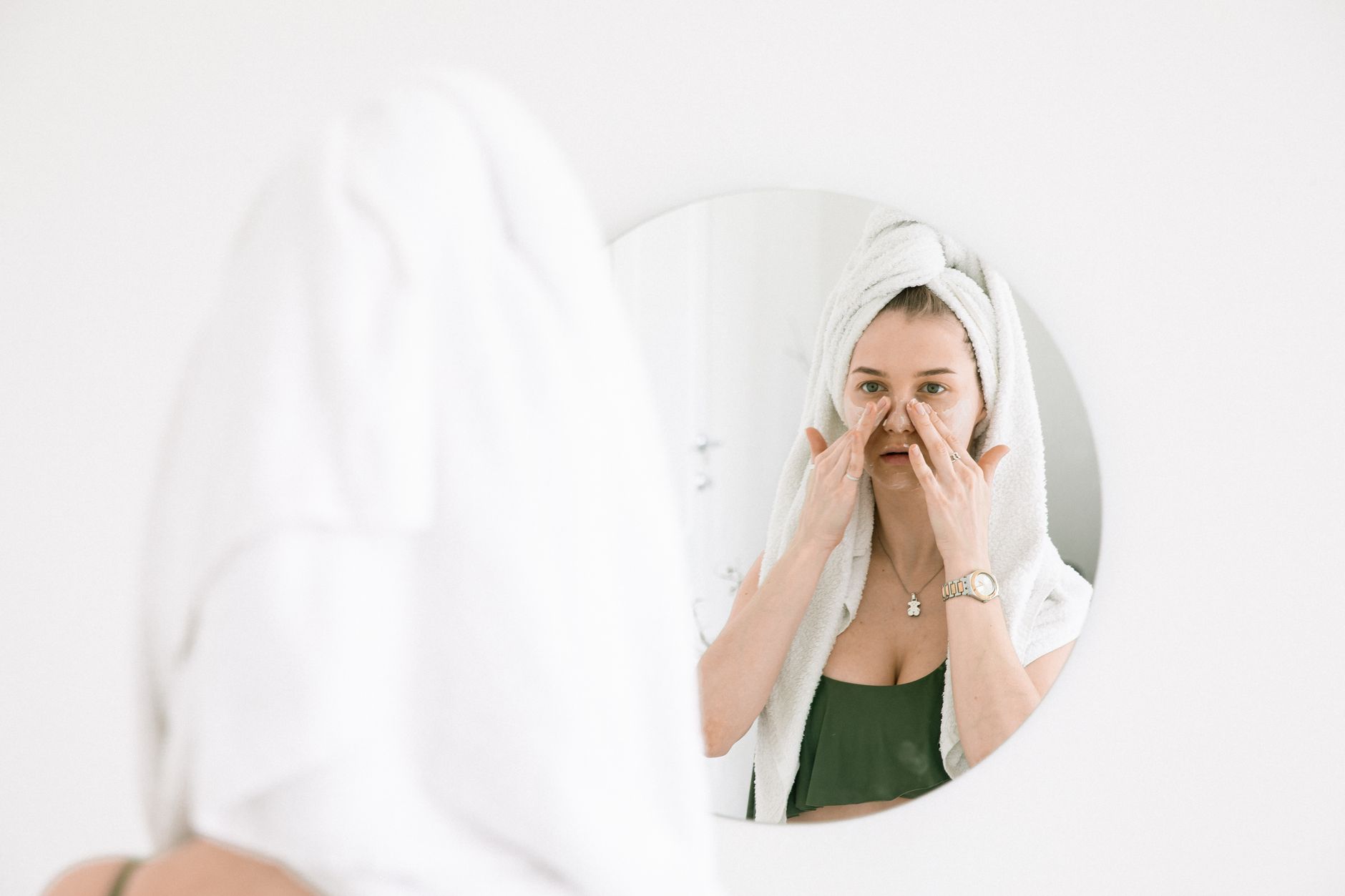
Later-life adult acne breakouts stem mainly from hormone fluctuations that boost oil production, plus stress, pore-clogging products, certain drugs, and family history. Menstrual cycles, pregnancy, postpartum, perimenopause, menopause, and stopping hormonal birth control often set off flares.
Adult acne means acne at age 25 or older. It often lasts into the 30s, 40s, and 50s. It favors the lower face, chin, and jawline in women near menopause, as described by the American Academy of Dermatology in its adult acne guide.
Medical information disclaimer: This article is for general educational purposes only and does not provide medical advice, diagnosis, or treatment. Always consult a physician or other qualified health professional about symptoms, medications, tests, or treatment decisions.
Table of Contents
- Why do hormones trigger breakouts after 30?
- Does stress cause adult acne?
- Which products, drugs, and habits clog pores?
- When should you see a doctor and what helps daily?
Why do hormones trigger breakouts after 30?
Estrogen shifts change how much oil the skin makes. When estrogen drops or androgens act relatively stronger, oil glands enlarge and make more sebum. Extra sebum mixes with dead skin and clogs pores. This pattern appears around periods, pregnancy, postpartum, stopping hormonal contraceptives, perimenopause, and menopause.
Breakouts often sit along the chin and jawline. Tracking flares against menstrual bleeding helps reveal a cycle link. Menopause commonly brings this shift because estrogen falls while androgens fall more slowly. The Cleveland Clinic explains that relatively higher androgen activity then drives oil production in its overview of adult acne. That extra oil raises the chance of clogged pores and pimples.
Does stress cause adult acne?
Sustained work or caregiving stress can worsen breakouts. Stress raises cortisol-linked oil activity and inflammation. It irritates skin that is already acne-prone. Research finds stress worsens existing acne rather than causing acne by itself, according to NIH News in Health in its acne explainer.
So poor sleep and constant pressure do not act alone. They amplify a hormonal or pore-clogging trigger. Managing the trigger matters more than blaming one hard week. Keep a simple routine during stressful periods. Avoid picking, scrubbing hard, or adding new harsh products.
Which products, drugs, and habits clog pores?
Some drugs can cause or worsen acne. Greasy or comedogenic cosmetics, hair products, masks, and workout gear also trap oil. They make follicle cells stick together and form plugs. Diet, smoking, sleep loss, and sun exposure are reported aggravators of adult female acne.
High-glycemic foods and dairy get frequent attention. Yet diet evidence remains associative and weaker than hormonal evidence, so larger studies are still needed. Check what touches the face each day. Wash headbands, hats, and mask interiors often. Keep heavy hair oils, pomades, and forehead products away from breakout zones.
When should you see a doctor and what helps daily?
Family history raises risk because acne tendency can run in families. Jawline acne with irregular periods, hair thinning, or excess facial hair may signal polycystic ovary syndrome. That combination needs medical evaluation, not store products alone.
Daily care aims to calm skin without stripping it. Use a gentle cleanser, noncomedogenic oil-free moisturizer, and sunscreen. Skip harsh scrubs and picking, which inflame lesions and invite scars.
- Note cycle timing, recent drug changes, new cosmetics, and family history
- Bring photos of flares and a list of skin and hair products
- Ask a dermatologist about cycle-linked hormonal therapy options