
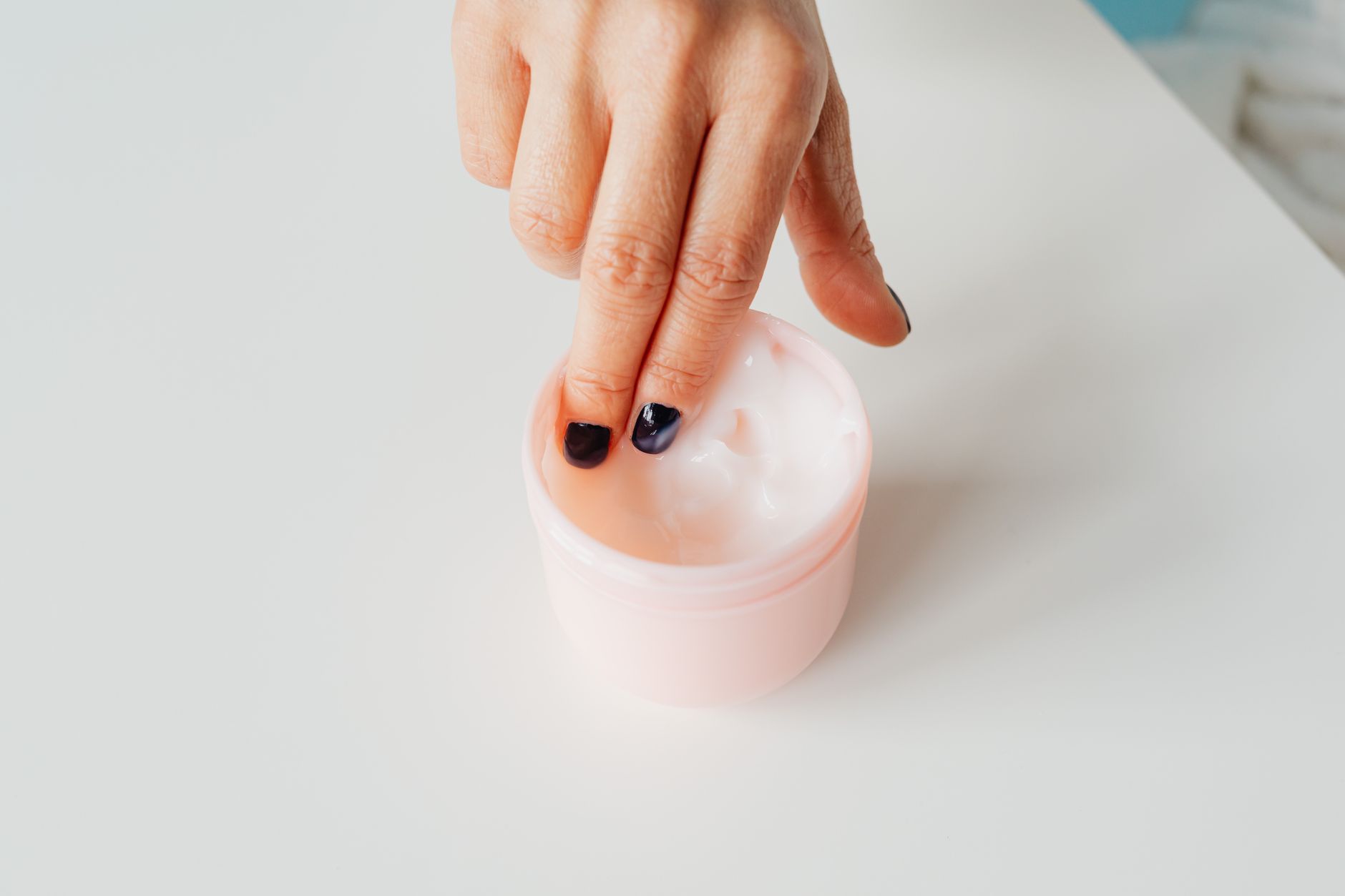
A plain new moisturizer does not cause true skin purging, but it can cause breakouts. Purging means faster shedding brings hidden clogs to the surface, and it needs an active exfoliating or retinoid ingredient.
Banner Health dermatologist Rebecca Thiede says plain moisturizers lack those cell-turnover actives, unlike retinoids, AHAs, BHAs, and certain vitamin C formulas Banner Health explainer. That distinction guides your next step. Heavy or pore-clogging formulas can block pores and trigger acne.
Medical information disclaimer: This article is for general educational purposes only and does not provide medical advice, diagnosis, or treatment. Always consult a physician or other qualified health professional about symptoms, medications, tests, or treatment decisions.
Table of Contents
- Why plain moisturizer cannot purge skin
- Where and when breakouts appear
- When burning and peeling signal irritation
- What to do with a suspect moisturizer
Why plain moisturizer cannot purge skin
A basic ceramide or hyaluronic-acid cream hydrates without speeding shedding. It cannot push tiny hidden clogs out faster because it lacks exfoliating action. Turnover ingredients act differently by loosening dead cells and clearing pores.
Schweiger Dermatology Group calls moisturizer-related pimples acne cosmetica from moisturizers, foundations, and products that are not noncomedogenic Schweiger Dermatology Group article. Thick creams, balms, and facial oils can trap oil and dead skin inside pores. That trapped mix forms whiteheads, blackheads, or tender red bumps.
Where and when breakouts appear
Purging tends to show up in your usual breakout zones. The flare often looks like your typical pimples and then settles within weeks. Banner Health dermatologist Rebecca Thiede ties this pattern to faster clearing of existing clogs.
A moisturizer breakout often starts in new or coated areas. The chin, cheeks, forehead, or hairline may erupt after a richer formula. Those spots often persist or worsen while you keep using the product.
When burning and peeling signal irritation
Cleveland Clinic lists dryness, peeling, redness, burning, itching, and sun sensitivity as common retinol effects Cleveland Clinic overview. Stinging, spreading redness, or severe peeling point more to irritation than to purging. Cleveland Clinic also notes prescription retinoids contain higher retinoid concentrations than over-the-counter retinol. Irritation can look like acne but needs soothing, not patience.
The U.S. National Library of Medicine DailyMed label for adapalene 0.1% gel warns acne may appear worse during early weeks DailyMed drug label. The label calls that early flare normal unless irritation turns severe. A plain moisturizer gets no such pass because it lacks that drug action.
What to do with a suspect moisturizer
Pause the new moisturizer if new-area pimples spread or last past a few weeks. Keep cleansing gentle and avoid adding scrubs or acids while skin calms. Note where bumps started and whether burning or peeling spreads.
Banner Health advises extra caution after about six to eight weeks of worsening acne. Stop the suspect product and seek dermatology care if acne worsens past that point, irritation turns severe, or breakouts hit new areas. Bring the product name and start date to the visit.