
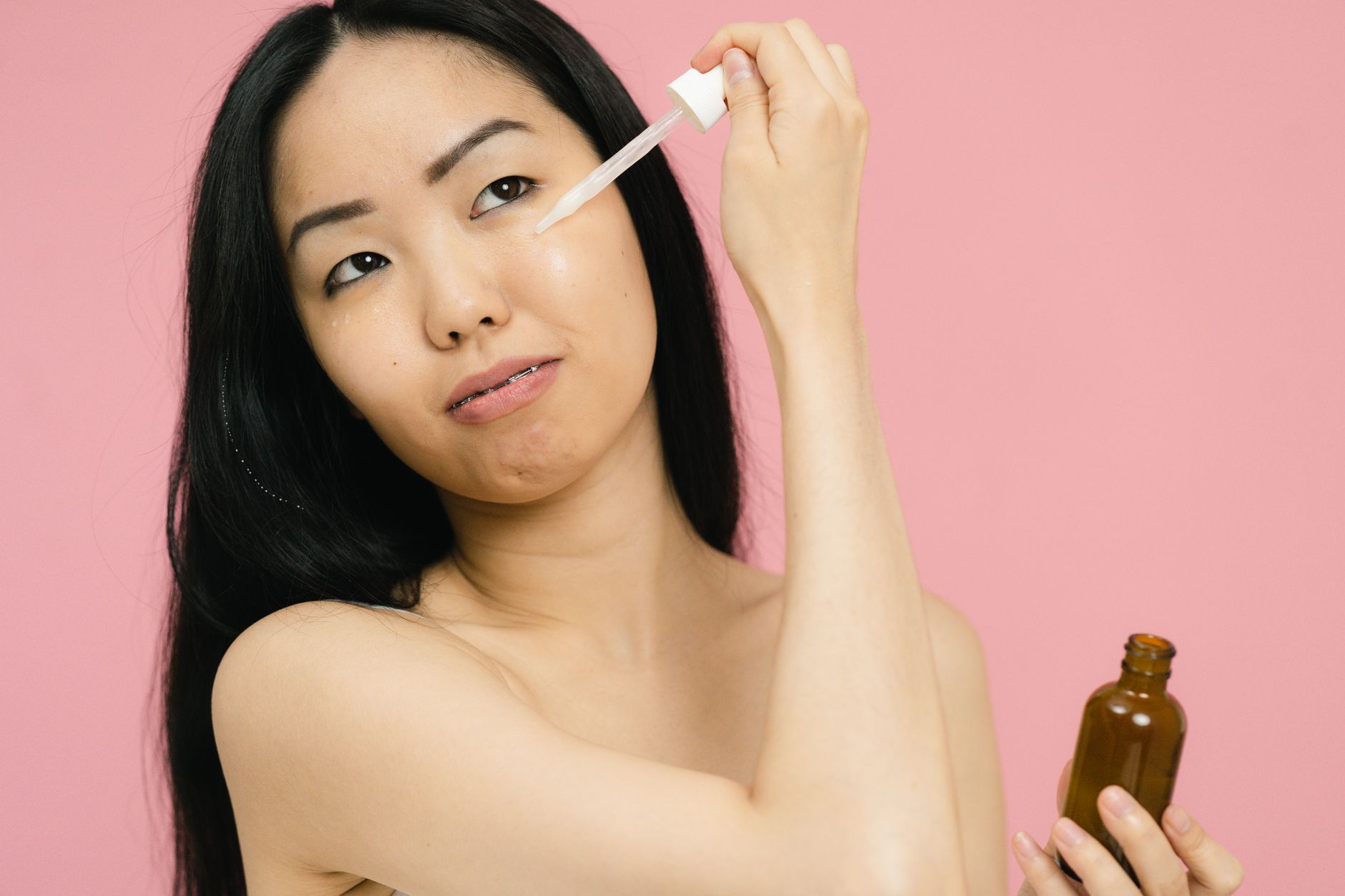
Salicylic acid is the established choice for clogged pores, blackheads, and oil-driven breakouts. Succinic acid, a plant-fermented acid for oily and acne-prone skin, offers gentler antibacterial and oil-control support for mild inflammatory spots.
Paula's Choice describes salicylic acid as oil-soluble, so it enters sebum-filled follicles and loosens bonds between dead cells inside the pore. Succinic acid works differently, by targeting acne bacteria and helping regulate oil. That difference decides which breakouts each fits best.
Medical information disclaimer: This article is for general educational purposes only and does not provide medical advice, diagnosis, or treatment. Always consult a physician or other qualified health professional about symptoms, medications, tests, or treatment decisions.
Table of Contents
- How does salicylic acid clear pores?
- What does succinic acid do differently?
- What did the 8-week study find?
- Which should you choose?
How does salicylic acid clear pores?
The U.S. FDA lists salicylic acid as an over-the-counter acne active ingredient under Topical Acne Monograph M006 Topical Acne Monograph listing. That status makes it a regulated acne drug, not only a cosmetic exfoliant.
Cleveland Clinic notes it decreases inflammation and promotes skin-cell turnover, which prevents clogged pores and loosens dry, scaly skin for removal its topical salicylic acid page. Use it for whiteheads, blackheads, and pores that clog again soon after cleansing. People with oily or combination skin often tolerate leave-on use best.
What does succinic acid do differently?
Typology Library explains that succinic acid crosses the Cutibacterium acnes cell wall and dissociates in neutral cytoplasm, disrupting membranes and reducing acne-associated bacterial populations. It acts on bacteria, while salicylic acid acts mainly on clogging and shedding.
Roquette, via Premium Beauty News, reports bio-succinic acid regulates 5-alpha-reductase activity to reduce lipid synthesis and sebum, with 2% twice daily positioned for oily and acne-prone skin bio-succinic acid report. That profile suits surface oiliness, red papules, and skin that peels or stings from stronger acids. It is less suited for deep blackheads or thick pore plugs.
What did the 8-week study find?
An 8-week open study of 43 patients with mild-to-moderate truncal acne tested a lotion with 2% succinic acid plus 4% niacinamide and phytocomplexes PMC review. Inflammatory lesions fell 52.12%, with lower erythema and improved microbiota balance.
That lotion also contained niacinamide and other actives, and the study had no control group. Direct succinic-versus-salicylic human comparisons come from small models and short comparisons. Treat the 52% figure as a combination-formula result, not a pure succinic acid effect.
Which should you choose?
Cleveland Clinic warns topical salicylic acid can cause burning, itching, crusting, peeling, dryness, and allergic rash or swelling. Stop use and contact your care team for rash, swelling, or spreading irritation.
- Choose salicylic acid for blackheads, clogged pores, and oily T-zones.
- Consider succinic acid for mild red spots, excess surface oil, and sensitive or dry-prone skin.
- Avoid strong salicylic acid on broken skin, very dry areas, or with aspirin allergy.
- Introduce one active at a time, once daily, then move to twice daily if calm.