
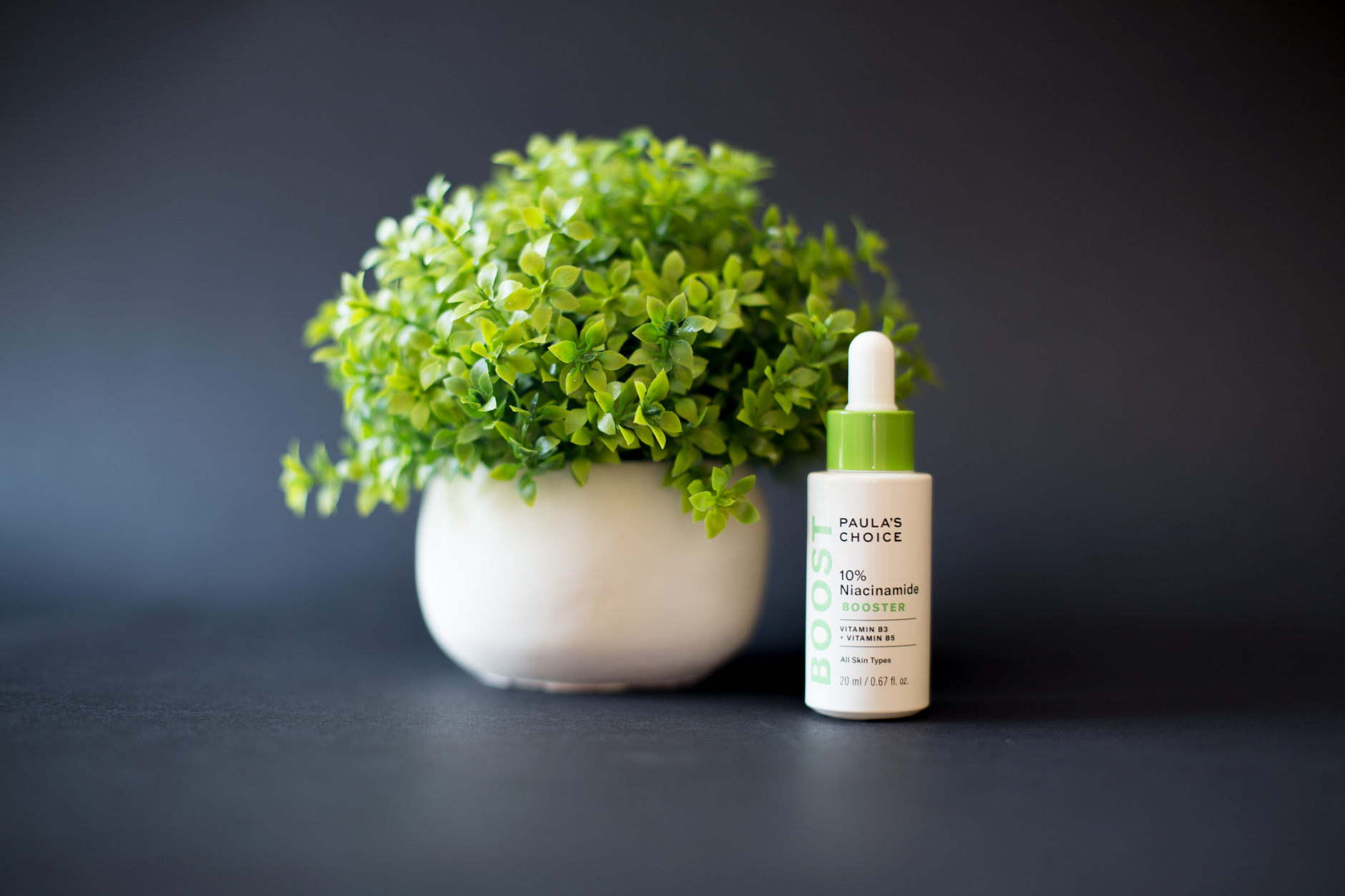
Yes, niacinamide helps hormonal acne by lowering excess oil, calming inflammation, and supporting the skin barrier. It does not stop the hormone signals that trigger breakouts, so it works best as support rather than a solo cure. Niacinamide is a form of vitamin B3 used in serums and gels. Hormonal acne is adult acne tied to hormone shifts, producing clogged pores, pimples, and painful cysts.
Medical information disclaimer: This article is for general educational purposes only and does not provide medical advice, diagnosis, or treatment. Always consult a physician or other qualified health professional about symptoms, medications, tests, or treatment decisions.
Table of Contents
- Why does hormonal acne keep coming back?
- What does niacinamide actually do for oily skin?
- Can it clear deep jawline cysts by itself?
- How should you use it in an acne routine?
Why does hormonal acne keep coming back?
Hormonal acne affects adults ages 20–50 and happens when excess sebum clogs pores. That clogging produces blackheads, whiteheads, pimples, and painful cysts on the face, shoulders, chest, and back, according to Cleveland Clinic's hormonal acne overview. The main driver is androgen hormones, especially testosterone.
Sensitivity to androgens, plus bacteria and oil-gland secretions, triggers breakouts that often flare around periods. That cycle explains why surface treatments alone often fall short. Oil control helps, but the internal trigger remains active.
What does niacinamide actually do for oily skin?
Niacinamide lowers oil output. In a 100-person double-blind placebo-controlled trial, topical 2% niacinamide significantly lowered sebum excretion after two and four weeks, as summarized in an NIH review of niacinamide in dermatology. It also fights inflammatory breakouts.
Topical 4% nicotinamide gel performed comparably to 1% clindamycin gel for inflammatory acne over eight weeks, with about 82% of niacinamide users improving. Combination use looks stronger. A 12-week trial found 2.5% benzoyl peroxide plus 5% niacinamide reduced acne lesions and casual sebum levels and beat benzoyl peroxide alone for noninflammatory lesions, reported in an NIH-hosted clinical trial report.
Can it clear deep jawline cysts by itself?
For mild congestion and red pimples, niacinamide can make a visible difference. For deep, painful cysts, it is usually not enough on its own. The reason is direct: niacinamide does not block hormones.
Moderate to severe hormonal acne often needs prescription therapy aimed at androgen-driven oil, and Cleveland Clinic notes spironolactone lowers that oil production with broad reported improvement in its spironolactone for acne guide. Dermatologists therefore position niacinamide as a well-tolerated helper alongside retinoids, benzoyl peroxide, or salicylic acid. It supports progress without replacing treatment for stubborn hormonal cysts.
How should you use it in an acne routine?
Use niacinamide once or twice daily after cleansing, before heavier moisturizer. A 4–5% serum or gel suits most oily, acne-prone skin without adding heavy residue.
It also helps skin tolerate stronger treatments. Niacinamide supports new ceramide and fatty-acid production, reduces water loss, and improves hydration during drying acne care. See a clinician promptly for specific warning signs:.
- Painful nodules or cysts along the jaw, chin, chest, or back
- Breakouts that scar, spread, or persist for months
- Period-linked flares that resist drugstore care