
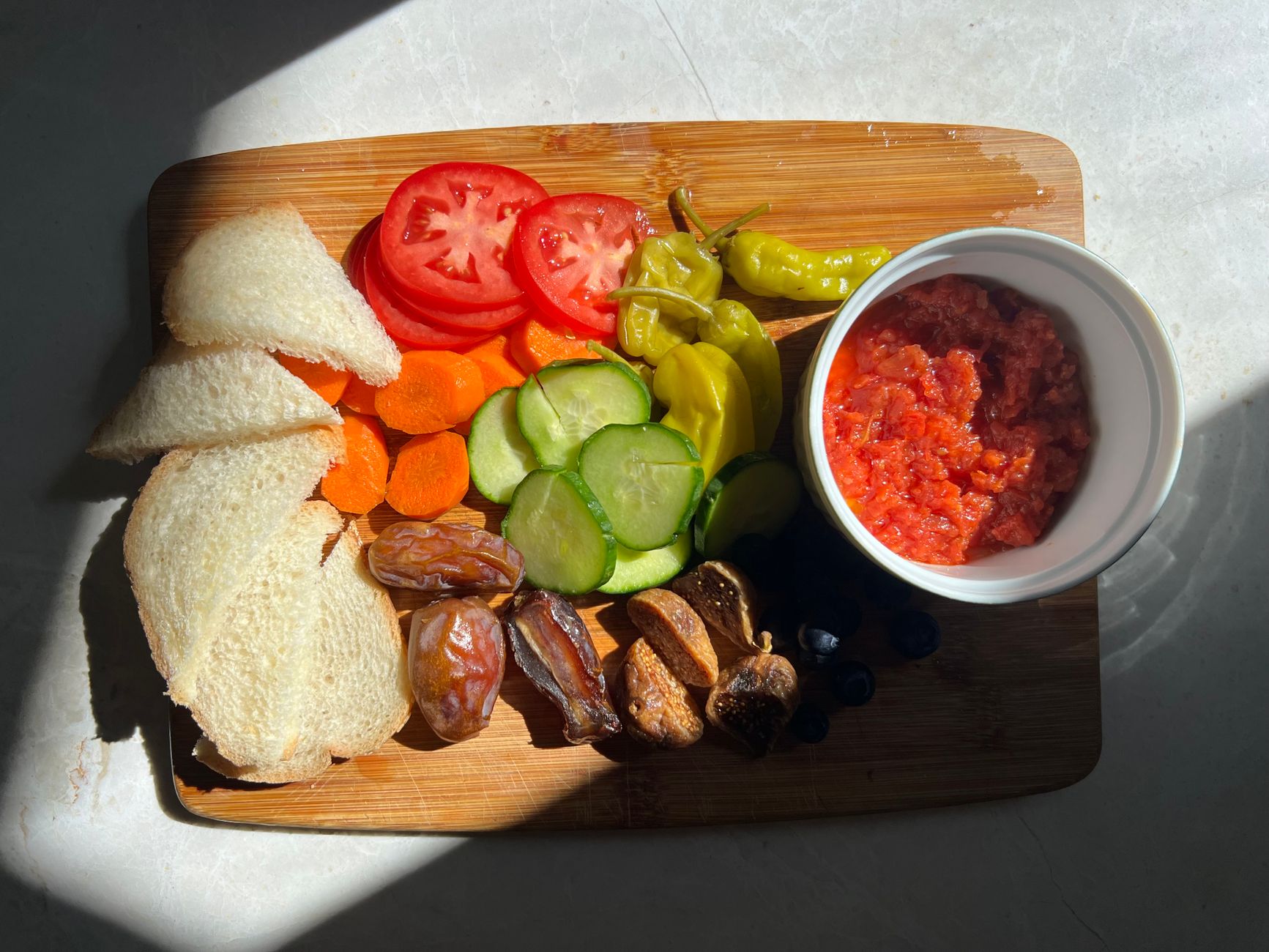
Yes, closer Mediterranean-style eating is linked to lower odds of adult acne. The link is modest, observational, and stronger in women than in men. The Mediterranean diet means an overall pattern rich in vegetables, fruits, whole grains, legumes, olive oil, fish, and fermented dairy. For adults with breakouts past adolescence, it offers a low-risk food approach to use alongside proven treatment.
Medical information disclaimer: This article is for general educational purposes only and does not provide medical advice, diagnosis, or treatment. Always consult a physician or other qualified health professional about symptoms, medications, tests, or treatment decisions.
Table of Contents
- What did the large adult study show?
- Which foods pointed which way?
- How strong is the evidence so far?
- How can you try it safely?
What did the large adult study show?
In 228,757 UK Biobank adults aged 37–73, each 1-point higher Mediterranean-style diet score was linked to 7% lower odds of current acne, and 10% lower odds in women, according to King's College London summary via MedicalXpress. The analysis focused on current acne in middle-aged and older adults.
The pattern differed by sex. Women eating more plant-based foods had less acne, while men eating meat-heavy, low-carbohydrate diets had more acne, according to Olive Oil Times reporting on the King's College London study. That split suggests men and women may respond to different parts of the pattern.
Which foods pointed which way?
Within that adult cohort, higher cooked-vegetable, yogurt and cheese intake was tied to less acne. Higher skim milk, milk-based desserts and pork intake was tied to more acne, especially in men.
The contrast matters for daily choices. Cooked vegetables and yogurt fit the Mediterranean pattern directly. Skim milk, sweet dairy desserts and frequent pork do not, even when total carbs stay low.
How strong is the evidence so far?
A 2025 systematic review and meta-analysis of five case-control studies found higher Mediterranean-diet adherence correlated with less severe acne, according to the review in Nutrition and Metabolism. The link to developing acne was nonsignificant and based on low-quality evidence. Mechanism data point to blood-sugar response. A 12-week trial in 43 males aged 15–25 found about twice the lesion reduction with a low-glycemic-load diet versus control.
U.S. acne-care guidelines make no specific diet recommendation and note only emerging data on high-glycemic-index diets and limited data on skim milk. The adult Mediterranean findings are observational and cross-sectional. They show association rather than proof that diet prevents or treats acne, so intervention trials are still needed.
How can you try it safely?
Clinicians are advised to present Mediterranean eating as a low-risk, comorbidity-aligned adjunct emphasizing overall pattern, not a substitute for proven acne therapy. Keep retinoids, benzoyl peroxide, hormonal therapy, or other prescribed care in place while testing food changes. Use pattern-first swaps for two to four weeks and track breakouts, sleep, and cycle changes: Bring the log to your dermatology visit and keep using prescribed treatment while you adjust meals.
- build plates around cooked vegetables, beans, whole grains, and olive oil
- choose yogurt or cheese over skim milk and sweet dairy desserts
- limit pork and sugary drinks, and favor fish, nuts, and fruit for snacks