
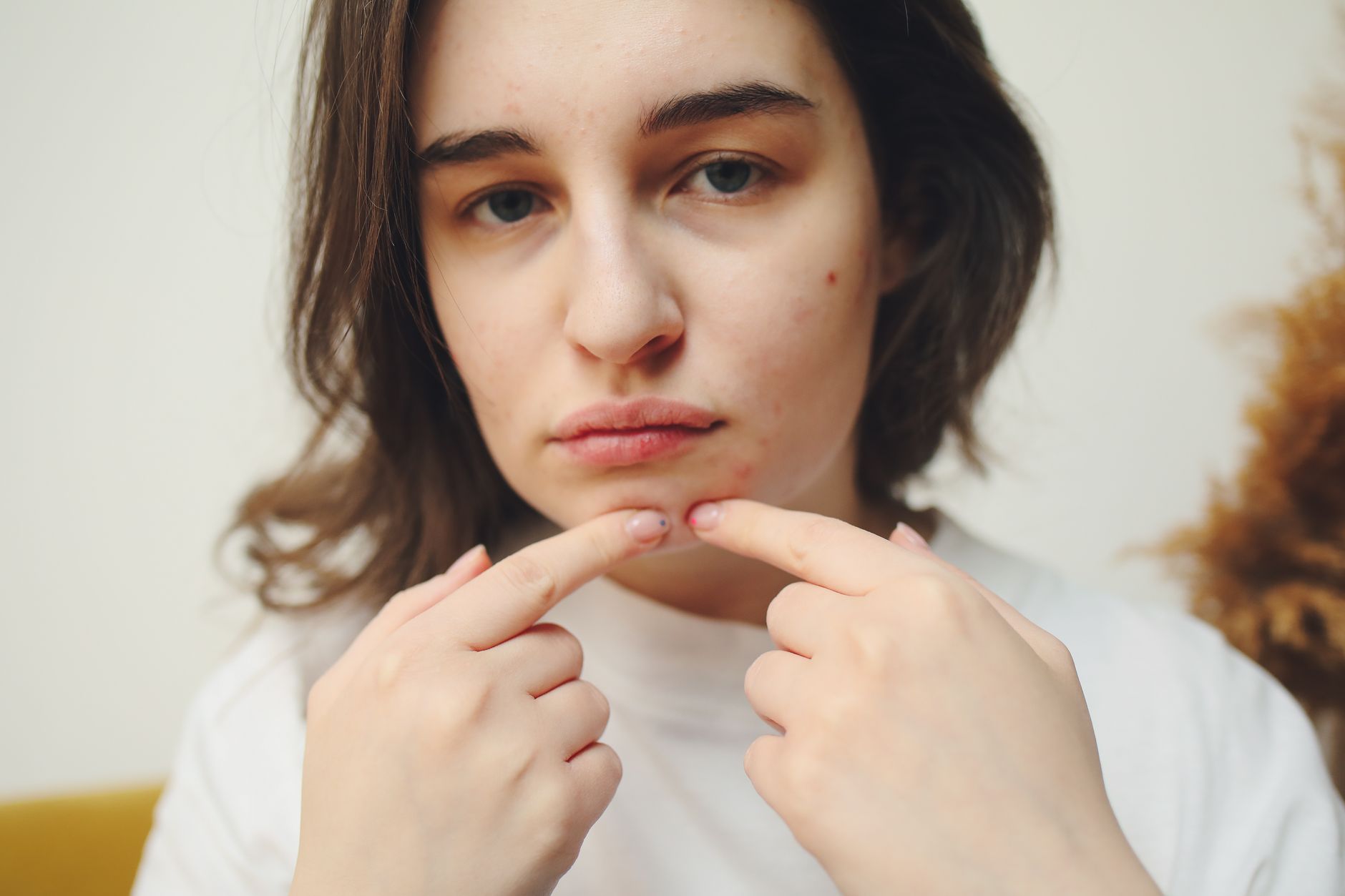
Humid fall air traps heat, sweat, and oil on skin, and that mixture lets normal Malassezia yeast overgrow inside hair follicles. "Fungal acne" is not acne but Malassezia (Pityrosporum) folliculitis, an inflammation of follicles from overgrowth of normally present yeast, according to the Cleveland Clinic Cleveland Clinic overview.
Early fall often stays warm and damp. Hats, collars, and workout layers slow drying. Sweat and skin oil sit longer, giving yeast more fuel and time.
Medical information disclaimer: This article is for general educational purposes only and does not provide medical advice, diagnosis, or treatment. Always consult a physician or other qualified health professional about symptoms, medications, tests, or treatment decisions.
Table of Contents
- What feeds the yeast in oily follicles?
- Why does humidity trigger fall flares?
- How can you tell it from regular acne?
- What helps prevent and calm a flare?
What feeds the yeast in oily follicles?
Malassezia yeasts are oil-loving, meaning they thrive where skin oil is rich. They release lipases and phospholipases that break sebum triglycerides into fatty acids for food, as described in the Journal of Clinical and Aesthetic Dermatology JCAD review. Oily follicles therefore work like stocked pantries.
The Cleveland Clinic notes teenagers, young adults, and people with oily skin face the highest risk. Active sebaceous glands supply steady lipid fuel. Heat plus damp, sweaty skin then lets yeast multiply fast.
Why does humidity trigger fall flares?
Hot, humid air plus extra sweating is an established trigger. Researchers report disease occurs more often in hot, humid climates or after tropical travel, in Frontiers in Cellular and Infection Microbiology Frontiers review. Fall can mimic those conditions during heat waves, rainy spells, and indoor heating shifts.
Trapped moisture makes it worse. A Journal of Clinical and Aesthetic Dermatology review lists heavy sweating, skin occlusion, and tight nonbreathable clothing as moisture traps. It also flags greasy sunscreens and oily balms that hold heat and dampness against follicles. Think polyester gym shirts, beanies, helmet straps, and thick cold-weather moisturizers on the forehead and chest.
How can you tell it from regular acne?
Uniform 1–2-mm itchy bumps point toward yeast. Dermatology Times, reporting a dermatology review, describes uniform papules and pustules on the forehead and hairline, chest, upper back, and arms Dermatology Times report. Papule means small solid bump; pustule means pus-filled bump; monomorphic means all alike.
That report contrasts regular acne as mixed. It combines comedones, meaning blackheads and whiteheads, with papules, nodules, and larger tender spots, usually without itch. New itchy, even breakouts after sweaty weeks deserve a different diagnosis.
What helps prevent and calm a flare?
Dermatology reviewers report antibiotics for bacterial acne can worsen yeast folliculitis by disturbing normal flora, while antifungals bring fast improvement. Misdiagnosis keeps some people on acne drugs for years.
Ask for an exam, sometimes with microscopy, before repeating a failing acne routine. Choose lighter fluids labeled noncomedogenic, meaning less likely to clog pores, and wash headbands and pillowcases often. Shower after you sweat, change into dry loose clothing, and skip thick oils on breakout zones during damp weeks.
- Shower soon after sweating; change out of damp shirts, sports bras, hats.
- Wear loose, breathable fabrics around forehead, chest, and back.
- Avoid heavy oils, greasy sunscreens, and thick balms on breakout zones.