
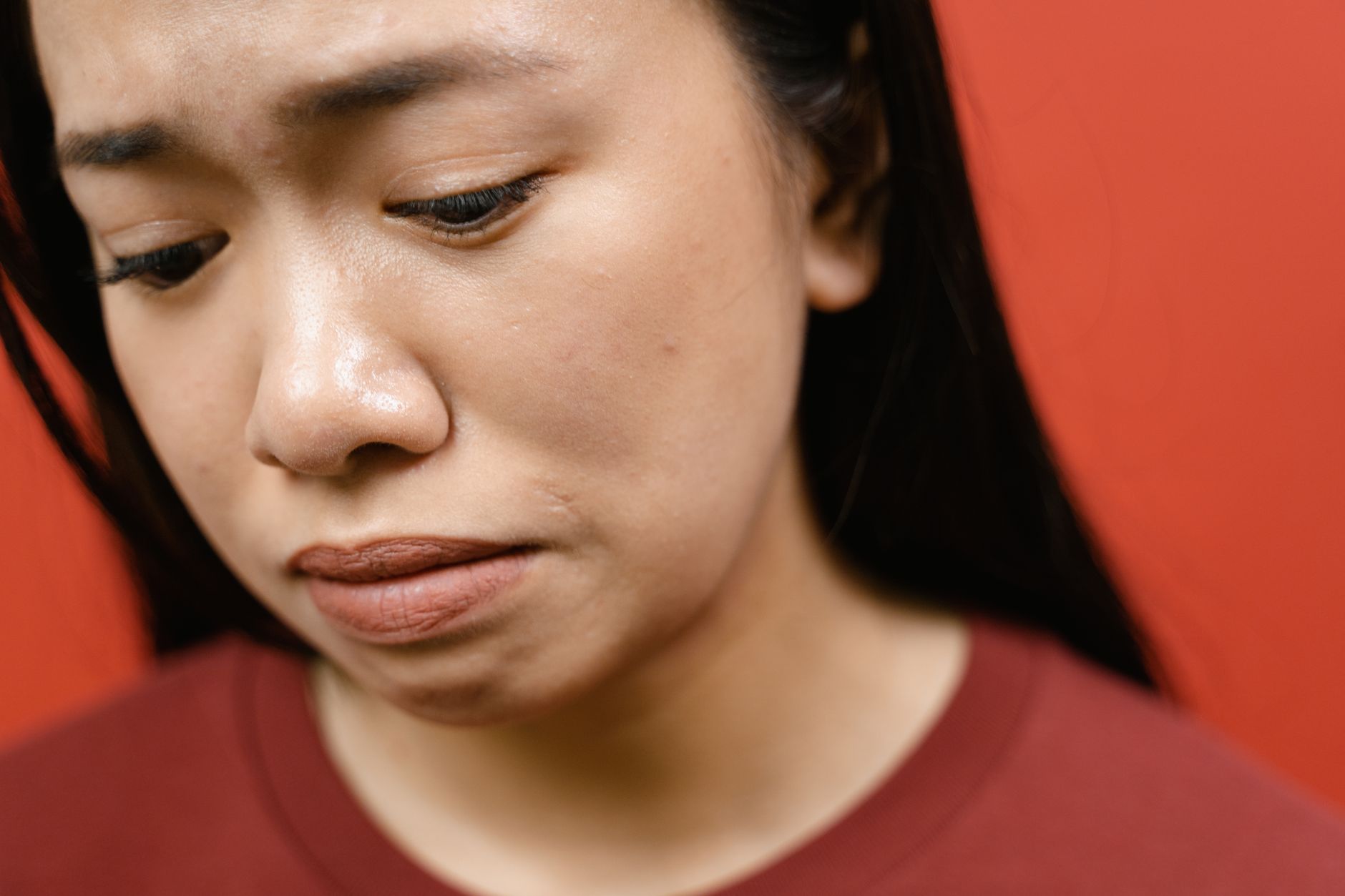
An underground pimple is a deep acne nodule or cyst with no head that often feels painful, tender, and red. Gentle warm compresses can ease pain and support healing, picking raises scarring risk, and a clinician can match treatment and follow-up to the lesion. These bumps may surface later or fade without surfacing. Cleveland Clinic Health Essentials explains in its guide to bringing a pimple to a head that pores block with excess oil, dead skin, bacteria, and hair, with higher risk from genetics, hormonal shifts, certain medicines, stress, and sweat.
Medical information disclaimer: This article is for general educational purposes only and does not provide medical advice, diagnosis, or treatment. Always consult a physician or other qualified health professional about symptoms, medications, tests, or treatment decisions.
Table of Contents
- What it is and why it forms
- How a warm compress helps
- Why squeezing harms and what clinicians use
- When to seek care and what to ask
What it is and why it forms
An underground pimple sits deep under the skin without a visible whitehead or blackhead. The area often looks red and feels sore to touch. Cleveland Clinic describes this pattern as an acne nodule or cyst.
Blockage starts inside the pore, not on the surface. Oil, shed skin cells, bacteria, and hair collect and inflame the deeper tissue. Hormonal changes, sweat, stress, medicines, and family tendency can raise the chance of a deep bump.
How a warm compress helps
Warmth and moisture can reduce pain and help pus move toward the surface. Cleveland Clinic describes this benefit in its blind-pimple overview: hold a warm, wet washcloth on the bump for about 10 minutes, several times daily. This routine supports faster healing.
Use clean hands and a clean cloth each time. Stop if the skin becomes raw, cracked, or more painful. Do not add pressure, needles, or sharp tools to force drainage.
Why squeezing harms and what clinicians use
Squeezing cannot reach a deep blockage. Cleveland Clinic Health Essentials warns that pressure worsens inflammation, spreads infection, prolongs healing, and raises scarring risk. Picking and attempted popping cause the same harm.
The American Academy of Dermatology says dermatologists match therapy to acne type, using options such as benzoyl peroxide, topical retinoids, topical or oral antibiotics, hormonal treatment, and isotretinoin for severe disease. For a large, painful cystic or nodular lesion, GoodRx reports in its cortisone-shot explainer that a dermatologist may inject intralesional corticosteroid to rapidly reduce pain and swelling and limit scarring. Possible harms include skin thinning or atrophy, pigment change, and small visible vessels.
When to seek care and what to ask
Healthgrades advises prompt care for severe, persistent, enlarging, very painful, draining, red and warm, near-eye, scar-forming, or mood-affecting acne. Some infections need prescription antibiotics, and ongoing cystic acne needs medical management.
Home measures do not guarantee clearance. Ask what lesion type this is, what prescription or injection fits you, what scarring and treatment risks apply, and what follow-up is needed. Bring a list of skin products, current medicines, and how long the bump has lasted to that visit.
- Very painful, rapidly enlarging, draining, or red and warm bump
- Lesion near the eye
- Acne that scars, keeps returning, or affects mood and daily life
- No improvement with gentle care