
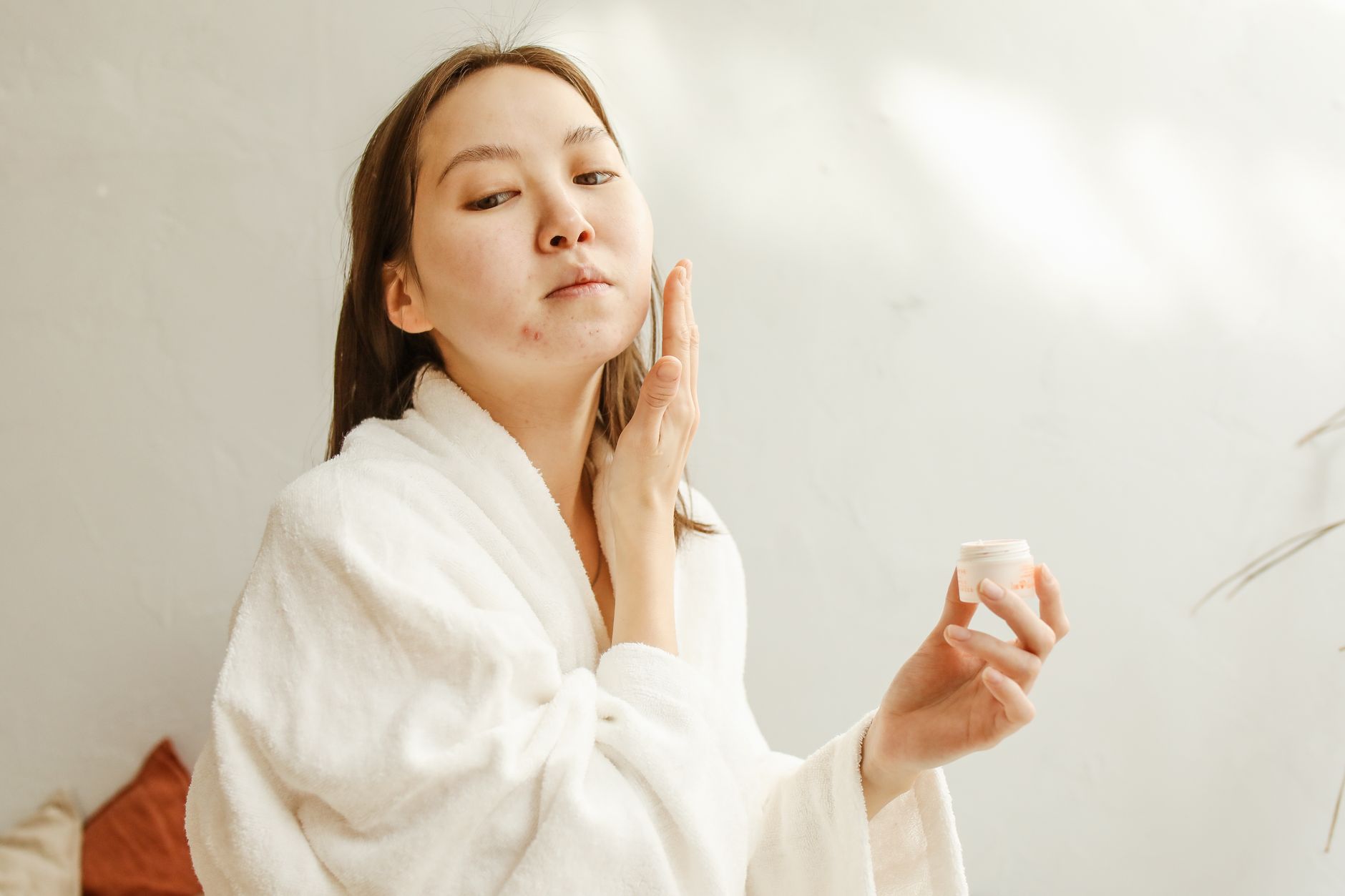
This checklist helps you track a blind pimple, ask about treatment, and verify when to seek care. A blind pimple is a zit under the skin without a whitehead or blackhead, according to Cleveland Clinic's guide.
Cleveland Clinic notes it may later erupt as a visible blemish or fade without surfacing. Use the steps below for tender bumps on the face, upper back, or chest. Clear notes help you act early and protect skin.
Medical information disclaimer: This article is for general educational purposes only and does not provide medical advice, diagnosis, or treatment. Always consult a physician or other qualified health professional about symptoms, medications, tests, or treatment decisions.
Table of Contents
- What should you track each day?
- What blocks the pore?
- How should you care for it at home?
- What should you ask and verify with a clinician?
What should you track each day?
Start a short daily note for each bump. Cleveland Clinic lists site, feel, pain, duration, and recent triggers as useful details.
Review the note after three to seven days. Steady pain, growth, or repeated bumps in one spot point toward care rather than waiting.
- Location on face, upper back, or chest
- Tender, pea- or marble-like feel under the skin
- Pain level and number of days present
- Recent products, medicines, stress, sweat, and touching
- Whether a head forms or the bump shrinks
What blocks the pore?
Cleveland Clinic Health Essentials says pores can block with bacteria, dead skin, hair, and sebum. That plug can form a painful lump deep under the surface.
Risk rises with genetics, hormonal shifts, some medicines, stress, and sweat. A sweaty workout, a new cream, or a stressful week does not prove cause. It gives context for your clinician.
How should you care for it at home?
Keep the area clean and keep hands off it. Cleveland Clinic Health Essentials recommends a warm, not hot, washcloth for 5-10 minutes several times daily, as described in its guide to bringing a pimple to a head.
Warmth can calm inflammation and help pus move toward the surface. Never pop, squeeze, or pick the bump because pressure can prolong healing and cause lasting scars.
What should you ask and verify with a clinician?
Ask a pharmacist or clinician about benzoyl peroxide, salicylic acid, topical retinoids, or antibiotics. American Academy of Dermatology guidance endorses benzoyl peroxide, topical retinoids, topical antibiotics, and oral doxycycline, as listed in its acne therapy guidelines.
See a GP or dermatologist for moderate or severe acne, nodules or cysts, poor response to self-care and store treatments, or severe pain and swelling, according to NHS acne advice. Home tracking cannot diagnose every lump under the skin, and lasting or distressing lesions need an in-person check. Prompt treatment lowers scar risk.