
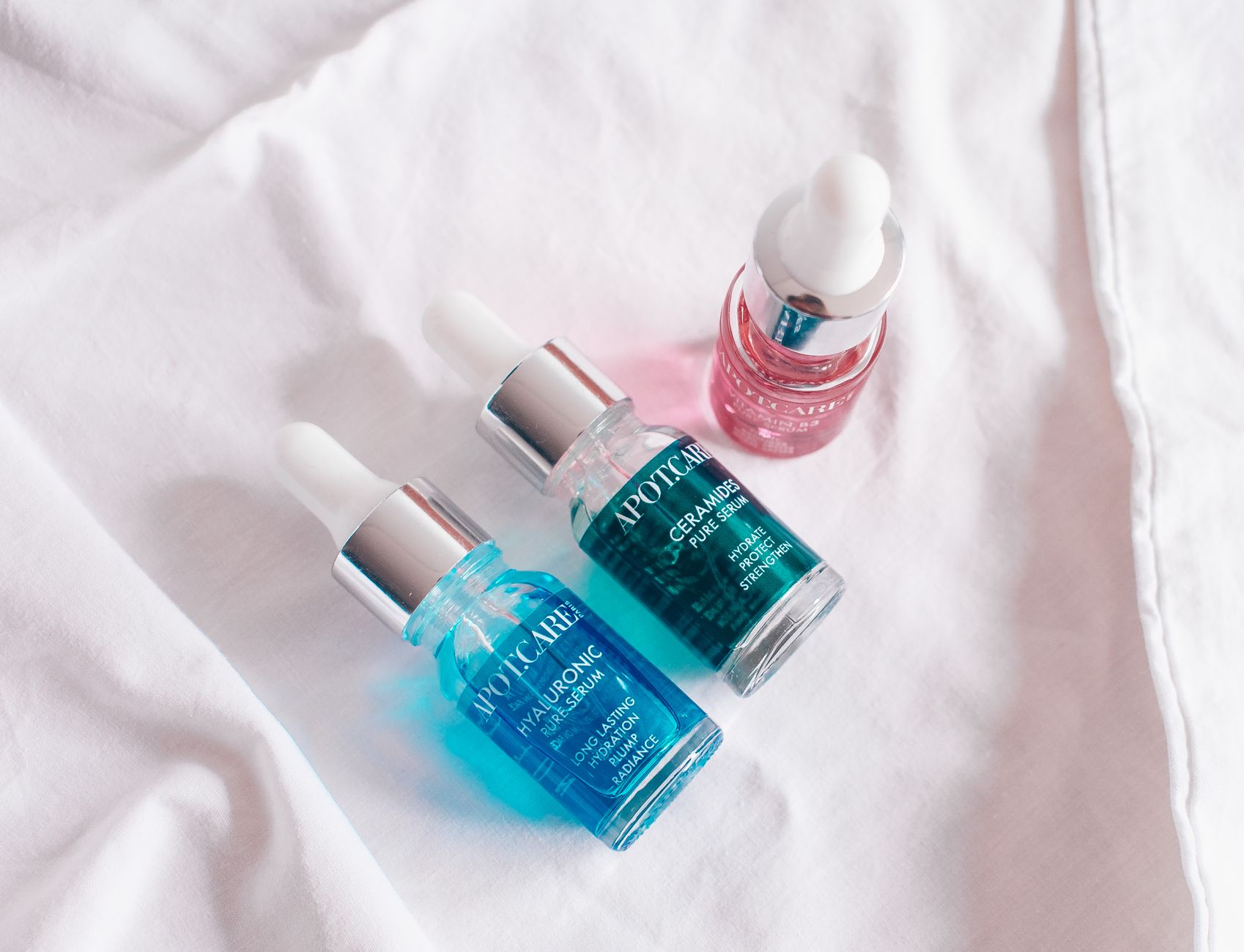
Hyaluronic acid, a slippery substance the body makes naturally, helps acne-prone skin stay hydrated without adding oil. Its main benefits are lighter hydration and improved rolling scars with filler, while risks center on filler procedures and product choice. The Cleveland Clinic explains that the body stores hyaluronic acid especially in eyes, joints and skin, where it lubricates tissue and retains water Cleveland Clinic explainer. That hydrating role makes it a practical add-on during drying acne care, not an acne treatment itself.
Medical information disclaimer: This article is for general educational purposes only and does not provide medical advice, diagnosis, or treatment. Always consult a physician or other qualified health professional about symptoms, medications, tests, or treatment decisions.
Table of Contents
- How it helps acne-prone skin
- Scars and inflammation: what changes with size
- Filler risks and approval limits
- What should you ask a clinician?
How it helps acne-prone skin
Topical hyaluronic acid acts as a humectant. It draws water into skin and improves hydration, plumpness and flexibility. That effect helps offset dryness from cleansers, benzoyl peroxide or retinoids without adding oil.
Look for a light serum, gel or moisturizer labeled oil-free or noncomedogenic. Apply it to slightly damp skin, then seal with moisturizer. Use sunscreen during the day when acne treatments increase sun sensitivity.
Scars and inflammation: what changes with size
Wound-healing effects depend on molecular size and formulation. High-molecular-weight hyaluronan suppresses inflammation, while low-molecular-weight fragments stimulate immune responses.
A split-face, blind randomized trial found filler VYC-17.5L significantly improved rolling atrophic scars versus saline. Thirteen of 14 subjects preferred the hyaluronic acid side and reported improvement, according to the trial report split-face trial report. That result applies to rolling atrophic scars treated by injection, not to raised scars, discoloration or active breakouts.
Filler risks and approval limits
The filler trial reported no serious side effects, with minor effects resolved by day 30. It enrolled only a small adult sample, so results do not generalize to all acne scars.
The FDA lists hyaluronic acid products among approved dermal fillers for specific cosmetic indications and warns that unapproved uses carry unassured safety and effectiveness FDA list of approved fillers. Common filler effects include bruising, swelling, redness, pain and lumps. Rare vascular occlusion can cause skin necrosis, vision impairment or stroke if filler enters a vessel.
What should you ask a clinician?
Dermatology guidance advises people with acne to use only oil-free or noncomedogenic moisturizers and avoid picking lesions. A clinician can match hydration support to your current prescription and scar type.
Bring your full product list, including cleanser, treatment, moisturizer and sunscreen. Ask when to return if swelling, lumps, severe pain, color change or vision symptoms follow a filler procedure.
- Is my moisturizer oil-free and noncomedogenic for my routine?
- How do I manage dryness or irritation from my retinoid?
- Am I a candidate for filler for rolling atrophic scars?
- Which acne and moisturizer products fit pregnancy or planned pregnancy?