
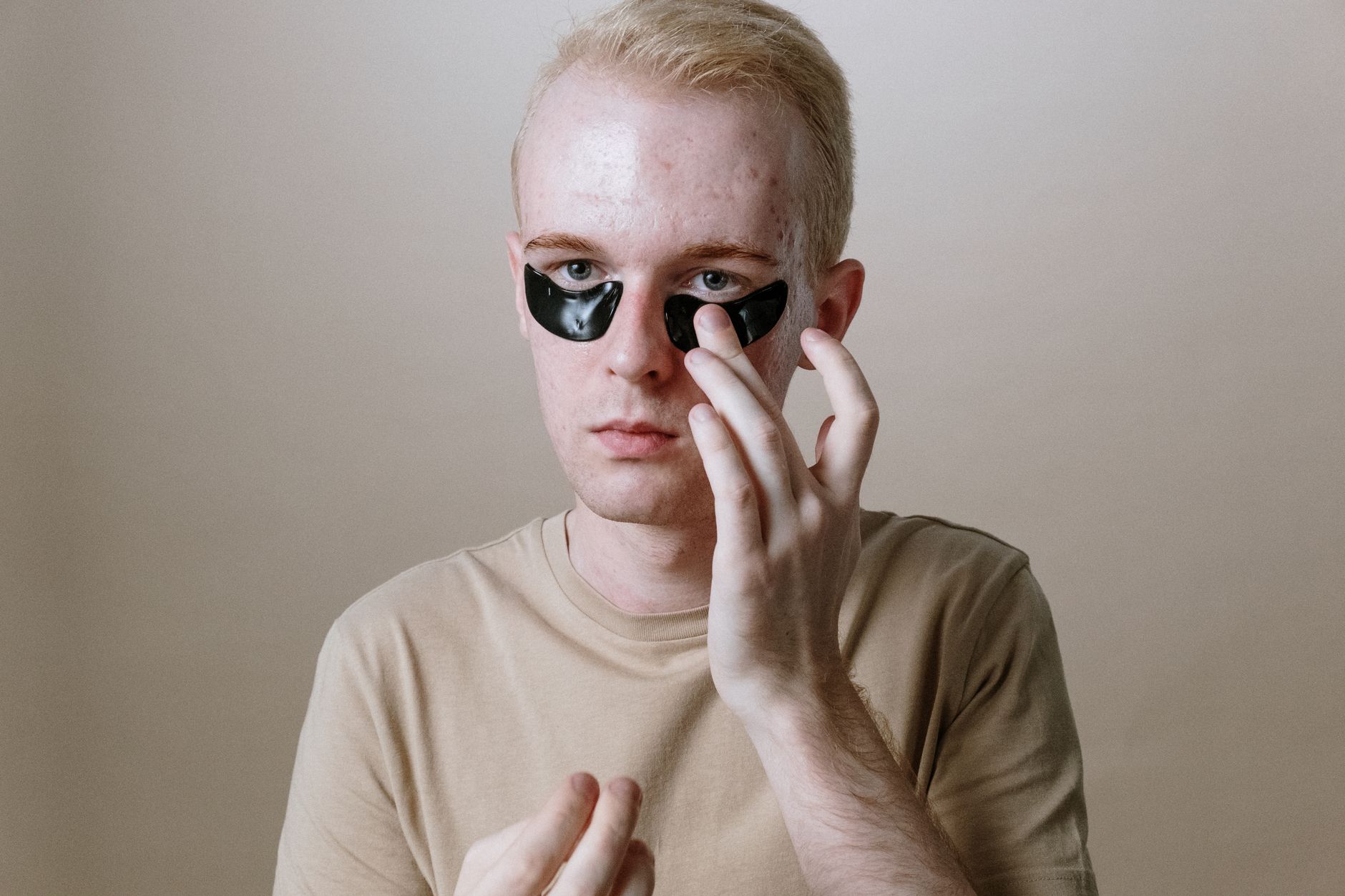
Acne stickers help surfaced or popped pimples heal faster with less picking, but they do not treat the underlying acne process and can irritate sensitive skin. Ask a clinician if acne is severe, painful, scarring, persistent after 2-3 months, or distressing. Acne stickers are small hydrocolloid polymer dressings borrowed from wound care. Cleveland Clinic explains that they absorb pus, oil and drainage while maintaining a moist healing environment, in how hydrocolloid dressings work.
Medical information disclaimer: This article is for general educational purposes only and does not provide medical advice, diagnosis, or treatment. Always consult a physician or other qualified health professional about symptoms, medications, tests, or treatment decisions.
Table of Contents
- How do they help a surfaced pimple?
- What will they not fix?
- What are the risks?
- When should you ask a clinician?
How do they help a surfaced pimple?
The patch seals the spot as a physical barrier. Healthline, reporting dermatologist statements, says the cover keeps out bacteria, reduces face-picking and limits sun exposure.
That protection helps spots flatten faster with less trauma. A hydrocolloid-patch trial reported in the Journal of the American Academy of Dermatology showed statistically better wound-appearance scores for popped pimples on Day 1 and Day 4, plus improved smoothness, crusting, redness, size and elevation, as described in the JAAD patch trial abstract.
What will they not fix?
Plain hydrocolloid without active drugs does not kill acne bacteria or unclog pores. Verywell Health notes it mainly absorbs fluid and supports healing, unlike benzoyl peroxide, retinoids or antibiotics.
WebMD says patches have little effect on deep cystic or nodular acne, closed comedones, blackheads and clogged pores generally. They cannot prevent new flare-ups or treat the underlying acne process.
What are the risks?
The most common problems are allergy to hydrocolloid or adhesive, redness, dryness and irritant or allergic contact dermatitis. Board-certified dermatologist Blair Murphy-Rose calls such allergy "not uncommon," especially for sensitive skin, according to Refinery29's dermatologist interviews.
Medicated patches add another concern. The New York Times reports dermatologists caution against salicylic acid, benzoyl peroxide or glycolic acid versions because sealing those ingredients under occlusion can cause extra irritation. The same concern applies to layering prescription acne drugs underneath a patch.
When should you ask a clinician?
Most support for patches comes from wound care, not acne trials. A 2025 review found only a handful of small, often industry-funded and unblinded pimple-specific studies, with risk of bias. Ask promptly if you notice: The American Academy of Dermatology guidelines strongly recommend prescription topicals, oral doxycycline or isotretinoin for those cases, not patches alone, as summarized in the AAD acne guideline summary.
- severe, painful or nodular breakouts
- scarring, dark marks that persist, or ongoing distress
- acne that lasts after 2-3 months of basic care