
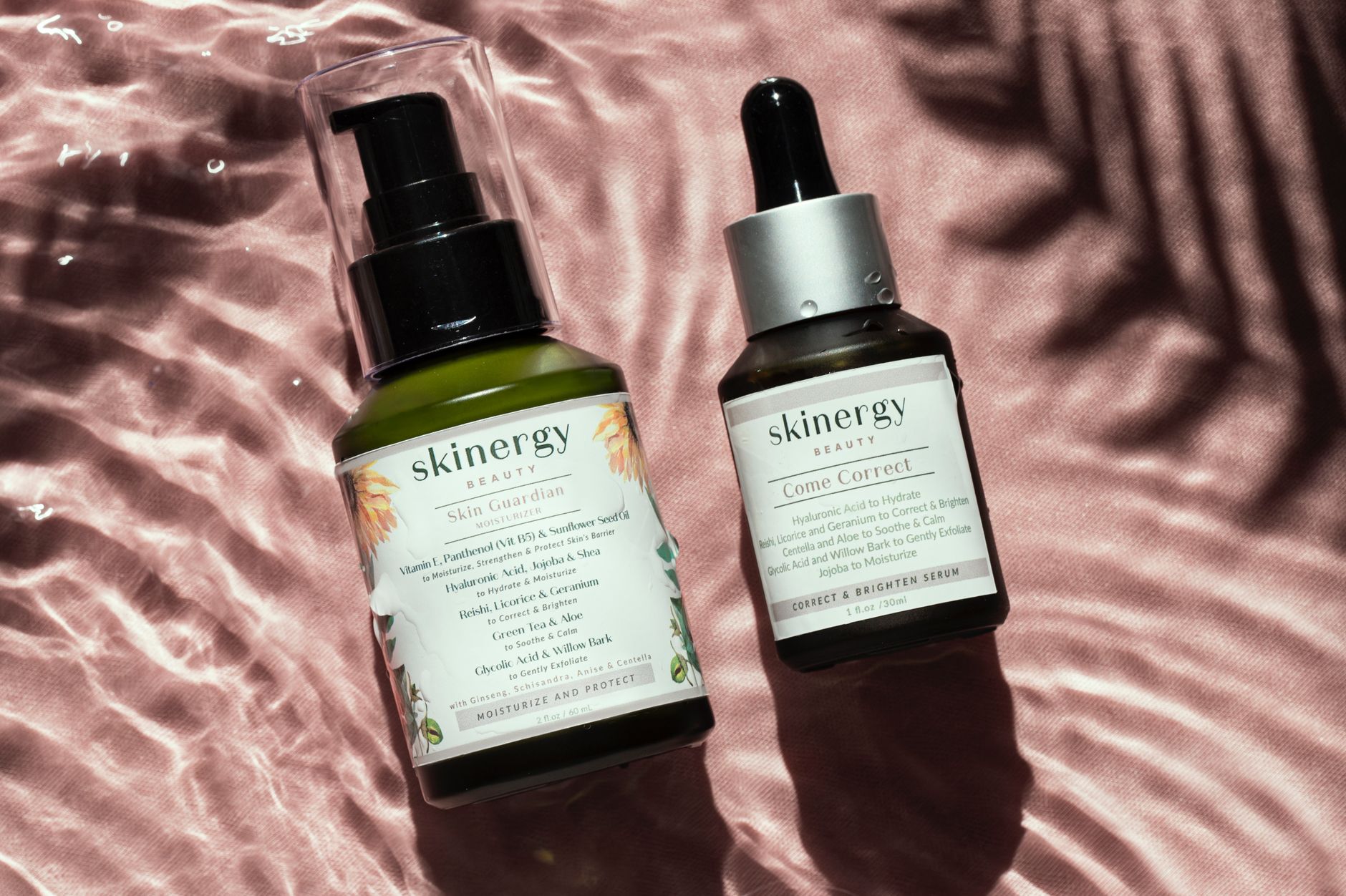
Centella asiatica, a plant extract also sold as cica or gotu kola, may ease acne-related inflammation and support hydration, barrier strength, and wound healing. It does not replace proven acne treatments and carries small irritation or allergy risks, so discuss add-on use with a clinician.
Lab and small clinical studies point to calming and healing effects, but formulas vary widely. People with sensitive skin or on strong actives often consider it for comfort. The practical decision is whether it fits safely alongside your prescribed routine.
Medical information disclaimer: This article is for general educational purposes only and does not provide medical advice, diagnosis, or treatment. Always consult a physician or other qualified health professional about symptoms, medications, tests, or treatment decisions.
Table of Contents
- How might it help active breakouts?
- Does it help healing and acne scars?
- What are the skin and body risks?
- What should you ask a clinician?
How might it help active breakouts?
In a 2019 Shen and colleagues lab study, madecassoside from Centella lowered inflammatory signals in human immune cells exposed to acne bacteria. It reduced IL-1β, a messenger protein that drives redness and swelling. It also blocked TLR2 and movement of NF-κB into the nucleus, two steps that switch on inflammation. Treated cells also held water better, which matters for dry, irritated skin.
Reviews note topical plant formulas with Centella reduced inflammatory acne lesions. Variable recipes and study lengths prevent direct comparison, so no standard dose is proven. Cleveland Clinic dermatology explains that Centella hydrates skin, strengthens the barrier, and aids wound healing. Makers often pair it with harsher actives because it may lower irritation.
Does it help healing and acne scars?
Lu and colleagues report asiaticoside helped human dermal fibroblasts grow in lab tests. Fibroblasts are skin cells that make collagen and surrounding matrix. More matrix supports wound closure and remodeling relevant to acne scars.
A LipoTherapeia summary of clinical literature describes a 30-person double-blind trial of 0.05% Centella gel after ablative Er:YAG laser for acne scars. Ablative means the laser removes thin skin layers to trigger repair. The Centella group showed better control of redness, crusting, and wound healing than placebo.
What are the skin and body risks?
Topical Centella is usually well tolerated, says Dermatica SkinLab. Rare users develop redness, itching, or burning. Centella is a weak skin sensitizer, and one case report described allergic contact dermatitis in a 54-year-old woman.
She reacted to 1%, 10%, and 2% preparations on patch testing. National Library of Medicine LiverTox notes that oral gotu kola is generally regarded as safe but has rare links to acute liver injury with jaundice. That warning matters mainly for swallowed products, not creams. If you are highly sensitive, patch-test first and get advice for spreading rash or burning.
What should you ask a clinician?
Ask your clinician whether Centella is only an add-on. Dermatology Times reporting on updated acne guidance notes strong recommendations for benzoyl peroxide, retinoids, antibiotics, and isotretinoin, not botanicals.
That list sets the core routine; Centella would sit beside it for comfort or healing support. Bring this short checklist to the visit: Stop the product and call promptly for blistering, swelling, or dark urine after oral use.
- current prescription actives and where irritation occurs
- whether a Centella moisturizer or cleanser fits that routine
- how long to trial it before judging redness, lesions, or comfort
- what to stop and report, such as spreading itch, burn, or hives