
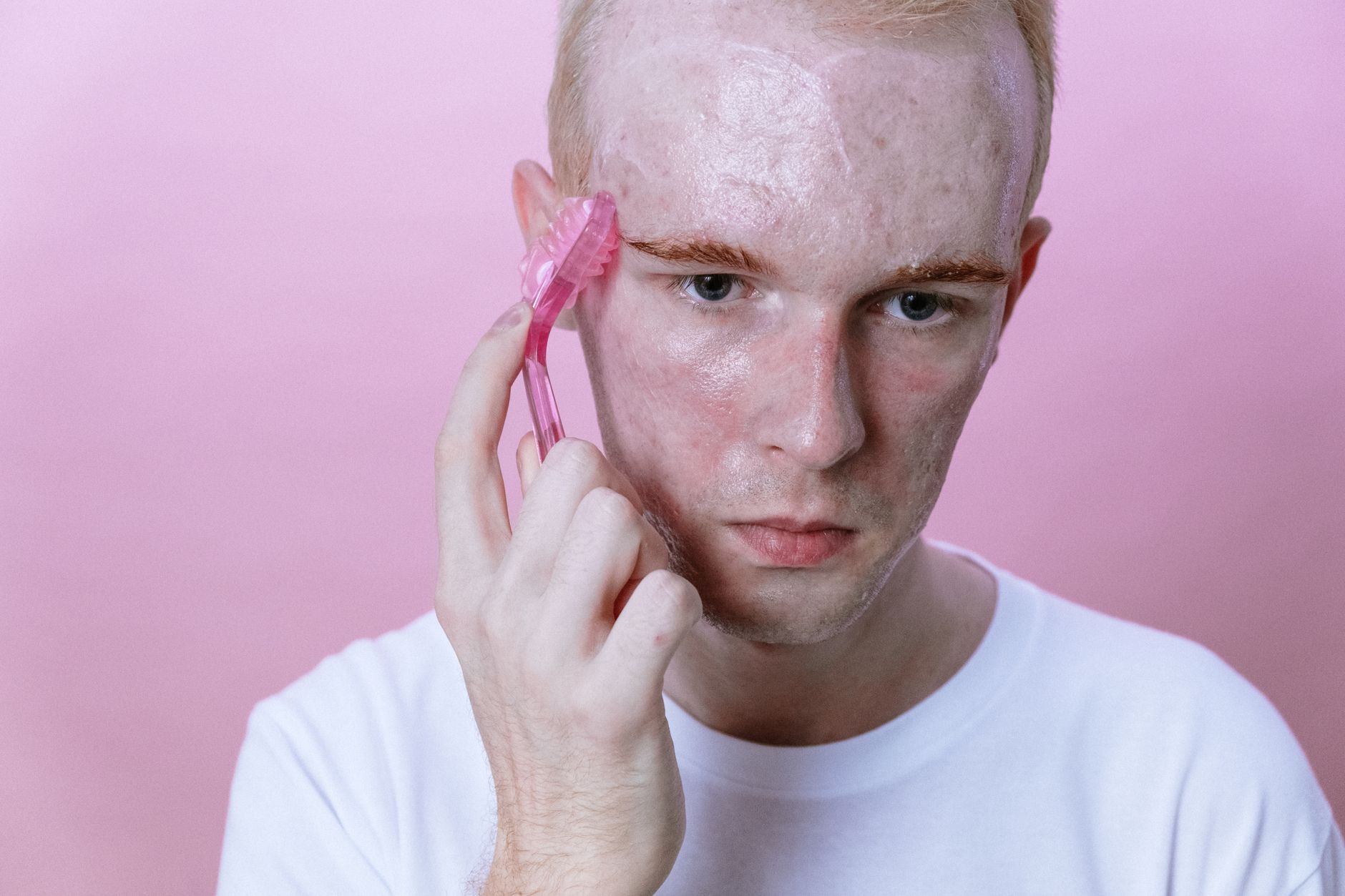
Yes, stress can make breakouts worse because stress hormones raise skin oil and inflammation. Acne starts when hair follicles get plugged by sebum, dead skin cells and bacteria, then swell into pimples, according to the U.S.
National Institute of Arthritis and Musculoskeletal and Skin Diseases in its NIAMS acne overview. Those plugged follicles appear most often on the face, back, chest and shoulders. Stress does not create that clogging alone, but it can push oil, androgen activity and inflammation in a direction that favors flare-ups.
Medical information disclaimer: This article is for general educational purposes only and does not provide medical advice, diagnosis, or treatment. Always consult a physician or other qualified health professional about symptoms, medications, tests, or treatment decisions.
Table of Contents
- What stress hormones do to oil glands
- Why adult women may notice stress breakouts more
- What exam stress showed in teenagers
- What helps when stress triggers breakouts
What stress hormones do to oil glands
Emotional stress activates the hypothalamic-pituitary-adrenal axis, which raises cortisol. At the same time, corticotropin-releasing hormone directly stimulates lipid production in sebaceous glands, according to Dermatology Times reporting a Jeddah study. That matters because sebaceous glands involved in acne show very strong corticotropin-releasing hormone expression.
A 2021 Cells review reports that this signal boosts sebum, slows normal sebocyte growth and activates enzymes that form androgens. In practical terms, the gland makes more oil while its cells turn over abnormally. More oil plus trapped dead cells makes a plug more likely to swell and inflame.
Why adult women may notice stress breakouts more
In adult women, chronic stress increases adrenal-androgen secretion. Dermatology Times, reporting the Jeddah study, links that rise to larger sebaceous glands and sebaceous hyperplasia. Enlarged, overactive glands provide more oil and more places for plugs to form.
That helps explain persistent jawline, chin and lower-face breakouts during long stressful periods. Work stress, caregiving, poor sleep and monthly hormone shifts can overlap. The result may look like small congested bumps, tender red pimples or slow-healing spots in the same zones.
What exam stress showed in teenagers
In 94 Singapore adolescents, those reporting high stress were 23% more likely to have worse acne severity, in what was then the largest acne-stress study, according to the Wake Forest University School of Medicine in its 2007 acne-stress news release. The exam-period study also found acne severity rose with perceived stress while sebum quantity did not.
The Acta Dermato-Venereologica report points to inflammation and other stress pathways, not oil amount alone. That distinction is important for treatment expectations. A face that feels less oily during finals can still break out because inflammatory signals are higher.
What helps when stress triggers breakouts
Acne patients whose serum cortisol fell during stress-reduction treatment also had reduced acne severity, according to researchers in the CERTAIN trial report in Dermatology Research and Practice, available in its PubMed Central trial report. The finding supports stress management as an add-on, not a replacement for acne care.
These studies show association, not proven causation, because acne itself can worsen mood and stress, according to Dermatology Times. The practical approach is to lower the stress load while directly treating clogging, sebum, bacteria and inflammation.
- Keep a regular sleep schedule and short wind-down routine.
- Use brief daily stress breaks, such as walking, breathing exercises or less late-night screen time.
- Cleanse gently, avoid picking and keep hair products off acne-prone skin.
- Ask a clinician about proven options aimed at plugs, oil, bacteria and inflammation.