
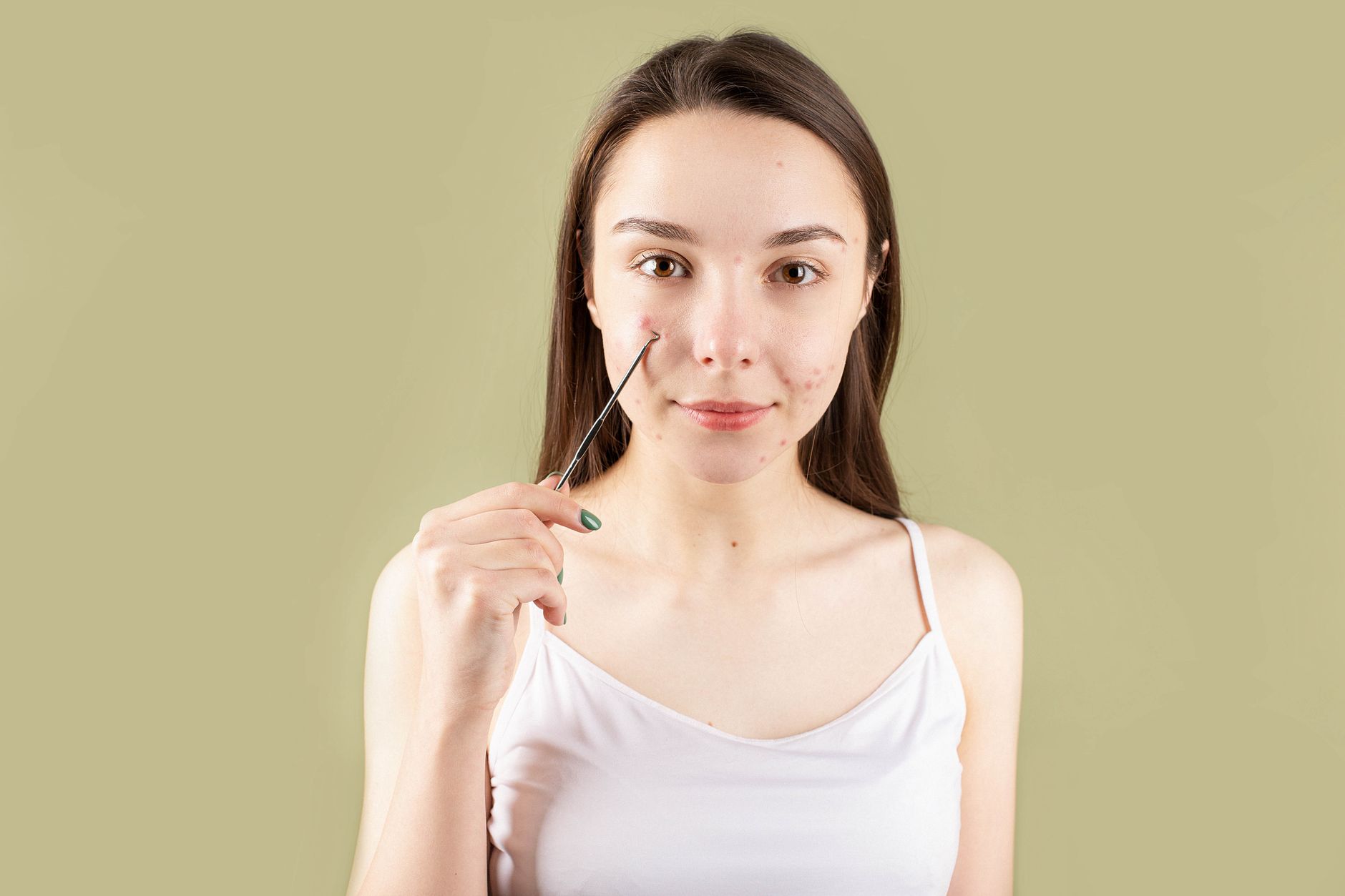
A stress acne checklist tracks perceived stress, breakout severity, daily confounders, skin-care habits, and signs that need dermatology care. Stress acne means pimples that flare during stressful periods. Use it for several weeks to separate stress patterns from other triggers. It helps you bring clear notes to a dermatology visit.
Medical information disclaimer: This article is for general educational purposes only and does not provide medical advice, diagnosis, or treatment. Always consult a physician or other qualified health professional about symptoms, medications, tests, or treatment decisions.
Table of Contents
- How does stress affect acne?
- What should you track each week?
- What should you ask about diet?
- How do you verify home care?
- When should you seek dermatology care?
How does stress affect acne?
Emotional stress activates the hypothalamic-pituitary-adrenal axis, the body's main stress-control system, according to Dermatology Times. That response raises cortisol and corticotropin-releasing hormone. Those signals increase sebaceous-gland oil production and adrenal androgens, which promote clogged glands and inflammation. In 144 female medical students ages 22-24, higher Perceived Stress Scale scores correlated with higher Global Acne Grading System severity (r=0.23, p<0.01), Dermatology Times reports in its 2018 analysis.
In that group, 72.2% had mild acne, 22.9% had moderate acne and 2.8% had severe acne. That study shows association, not causation, according to the same source. Acne itself harms mood and quality of life. Commentators say stress-reduction trials are needed to prove that stress worsens acne.
What should you track each week?
Track established confounders alongside stress, according to Dermatology Times. These factors can mimic or magnify a stress flare. Record lesion type, location, sleep changes and diet changes too.
Review notes weekly for timing links. Look for breakouts that follow high-stress days after accounting for other triggers. Bring the log to medical visits for faster decisions.
- menstruation timing, heat and humidity, sweating
- makeup and cosmetics, oily hair products, topical steroids
- squeezing pimples, lesion type and body location
- sleep changes and diet changes with stress rating
What should you ask about diet?
Compelling evidence links high glycemic-load diets to worse acne, while dairy intake appears weakly associated, according to a U.S. National Library of Medicine/PMC review in its 2016 diet and acne review. Glycemic load means how quickly foods raise blood sugar. Roles of omega-3s, fiber, antioxidants, vitamin A, zinc and iodine remain unclear.
Patients eating low glycemic-load diets had fewer lesions than those on high glycemic-load diets, according to a second U.S. National Library of Medicine/PMC review. Milk whey proteins may worsen acne through insulin-related effects rather than fat content. Ask your clinician whether your eating pattern matches a high glycemic-load pattern.
How do you verify home care?
Verify home care before escalating, as the American Academy of Dermatology advises in its acne treatment guidance. Use a gentle non-abrasive alcohol-free cleanser. Avoid toners, exfoliants, antibacterial soaps and scrubbing.
Do not pick lesions because picking increases scarring risk. Protect the skin barrier with moisturizer. Give treatment weeks to work before judging results.
When should you seek dermatology care?
Ask for dermatology care promptly if acne is severe, painful, scarring or persistent. Seek help also when self-care does not clear breakouts. Note pain level, scar marks, duration and products already tried.
The American Academy of Dermatology lists 9 things to try when acne won't clear. It directs patients to diagnosis-specific treatment. Bring your stress log, diet notes and skin-care list to that visit.