
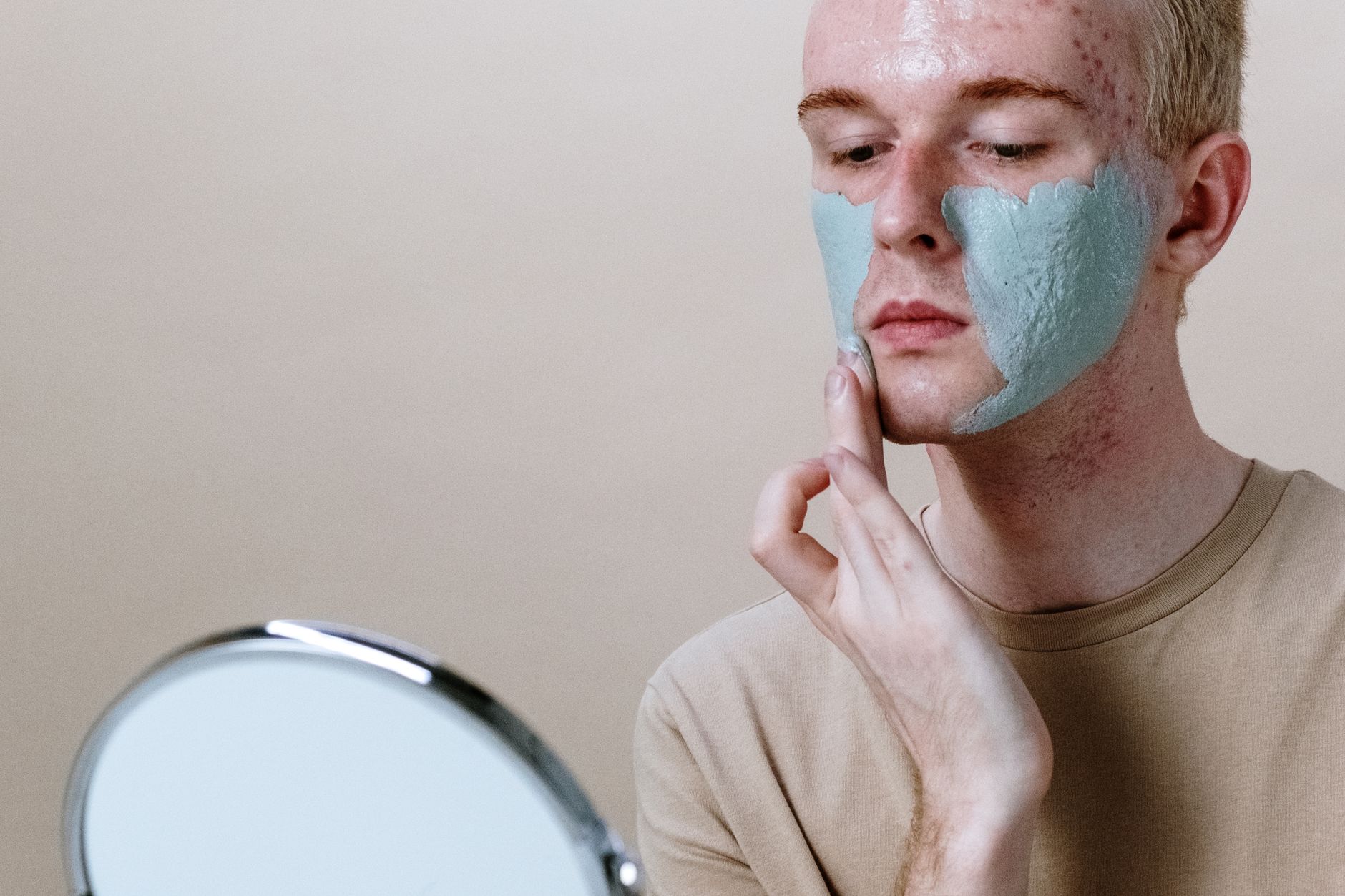
Creatine monohydrate, a supplement used to support strength and athletic performance, has no direct clinical evidence linking it to new acne. Most breakouts that appear after starting it come from harder training, sweat, and clogged pores. Readers who lift, play field sports, or take daily creatine for training will find practical dose and skin-care options. The focus is healthy users who want clear skin without giving up performance.
Medical information disclaimer: This article is for general educational purposes only and does not provide medical advice, diagnosis, or treatment. Always consult a physician or other qualified health professional about symptoms, medications, tests, or treatment decisions.
Table of Contents
- What do hormone and safety studies show?
- Why do breakouts follow harder training?
- How can you lower workout breakouts?
- When should you adjust the dose or ask a clinician?
What do hormone and safety studies show?
Medical News Today states in its updated review that no published clinical study directly links creatine monohydrate to new acne Medical News Today review. An often-cited 2009 trial in 20 college-aged rugby players found higher DHT and a higher DHT-to-testosterone ratio after three weeks of creatine use. That trial measured hormones only and did not measure acne or hair loss.
A 12-week 2025 randomized trial tested 5 g per day of creatine in 38 resistance-trained men. The Journal of the International Society of Sports Nutrition reports no significant difference from placebo in DHT, DHT-to-testosterone ratio, or hair measures 2025 trial report. A comprehensive 2025 analysis of 685 creatine trials also found side-effect frequency did not differ significantly from placebo.
Why do breakouts follow harder training?
Harder or longer workouts enabled by creatine can indirectly promote acne. The American Academy of Dermatology explains that sweat, oil, dirt, and bacteria buildup plus tight clothing and friction can clog pores.
That pattern points to workout-related clogged pores rather than creatine itself. Breakouts often show where sweat sits longest or clothing rubs. If training volume rose after starting creatine, hygiene is the first place to act.
How can you lower workout breakouts?
For athletic performance, Cleveland Clinic reports that 3–5 g per day of creatine monohydrate is generally effective without a loading phase Cleveland Clinic guidance. It adds that creatine can be taken before, during, or after training.
The American Academy of Dermatology advises simple post-workout steps to limit clogged pores dermatologist back-acne advice. These steps fit any hard session: Use the same routine after every hard session. Clean skin, dry clothes, and fresh gym laundry keep sweat and friction from building up.
- Shower and change promptly after sweating.
- Wear loose cotton or sweat-wicking workout clothes.
- Wash gym clothes after each use.
When should you adjust the dose or ask a clinician?
Cleveland Clinic notes that high single or loading doses commonly cause water retention, bloating, cramps, or diarrhea. People with kidney disease or who are pregnant should consult a physician first.
These cautions matter more than acne for deciding whether creatine fits. If stomach problems appear, return to 3–5 g per day and skip loading. People with kidney disease or who are pregnant should check with a physician before continuing.