
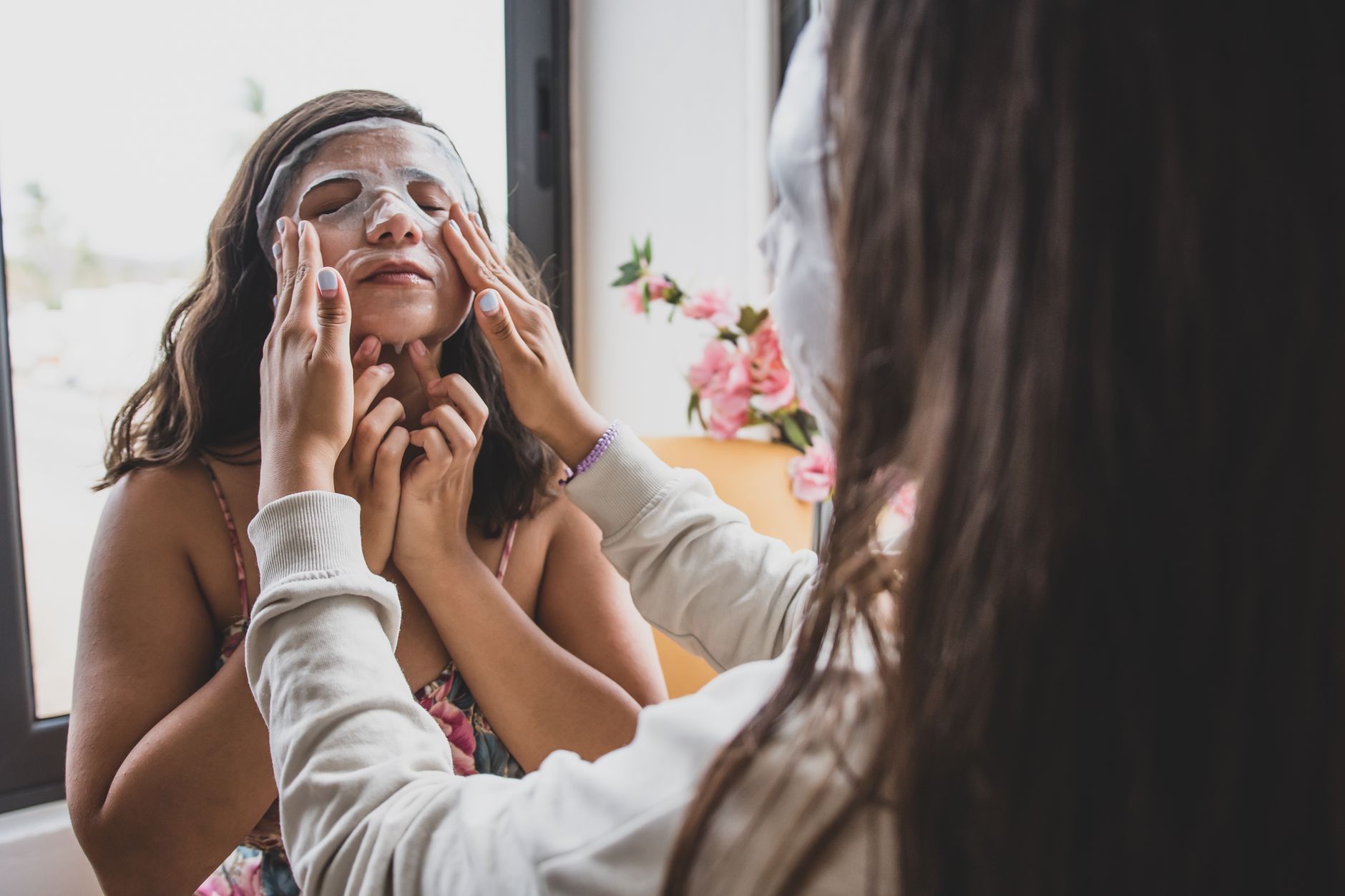
Individualized pediatric acne care means matching treatment to a child's age, puberty stage, lesion type, and severity. That selection approach was part of acne programming at the American Academy of Dermatology 2026 Annual Meeting on March 27-31 in Denver, Colorado, where Dawn Eichenfield, MD, PhD, discussed why early diagnosis and tailored care matter for children, according to American Academy of Dermatology meeting highlights. Pediatric acne is acne occurring from the newborn period through adolescence. For parents, individualizing care means asking which age group, severity level, and prior-treatment history apply before choosing a topical, hormonal, antibiotic, or referral path.
Medical information disclaimer: This article is for general educational purposes only and does not provide medical advice, diagnosis, or treatment. Always consult a physician or other qualified health professional about symptoms, medications, tests, or treatment decisions.
Table of Contents
- How does age change the first treatment decision?
- What are the main options for patients over age 9?
- When do hormonal and alternate choices fit?
- How can families limit antibiotics and catch warning signs?
How does age change the first treatment decision?
Treatment starts with age and pubertal status, not with the product name. The American Acne and Rosacea Society and Pediatrics guideline panel describes age- and puberty-based classification plus severity-based algorithms for children.
That framework separates neonatal, infantile, preadolescent, and adolescent disease. It also weighs lesion type and extent, such as blackheads and whiteheads versus red bumps, pus bumps, nodules, and widespread involvement.
- How old is the child and where is puberty development?
- What lesion types are present and how widespread are they?
- Is this neonatal, infantile, preadolescent, or adolescent acne?
What are the main options for patients over age 9?
For patients over age 9, current AAD guidance strongly recommends benzoyl peroxide, topical retinoids including adapalene, tretinoin, tazarotene and trifarotene, topical antibiotics only in combination products, oral doxycycline, and oral isotretinoin for severe disease, according to the 2024 acne guideline abstract in the Journal of the American Academy of Dermatology. Topical antibiotics alone are not the plan. Combination use helps clear current lesions while lowering the chance that bacteria survive treatment.
- Is a retinoid, benzoyl peroxide, or combination topical appropriate for this severity?
- Is oral doxycycline being considered for a broader or inflamed case?
- Is disease severe enough to discuss oral isotretinoin with a dermatologist?
When do hormonal and alternate choices fit?
The same AAD guideline conditionally recommends topical clascoterone, salicylic acid and azelaic acid, plus oral minocycline, sarecycline, combined oral contraceptives and spironolactone. These options allow choices based on severity, hormone patterns, skin tolerance, and resistance concerns. Growing evidence for combined oral contraceptives and spironolactone in appropriately selected adolescents has expanded tailored care and reduced reliance on prolonged antibiotics, according to a June 2026 interview with Dr.
Eichenfield of Rady Children's Health in ConsultantLive. Ask whether breakouts track with menstrual cycles, excess oil, or prior antibiotic courses. Ask also about dryness, irritation, pregnancy risk, and drug interactions before starting a hormonal or oral drug.
How can families limit antibiotics and catch warning signs?
Systemic antibiotics should not be used alone, should be paired with benzoyl peroxide or other topicals, and should use the shortest course possible, typically 3-4 months, to curb resistance, according to the AAD guideline summary via Dermatology Advisor. If an oral antibiotic is prescribed, ask what it is paired with, when improvement will be reviewed, and when it will stop.
Also ask about scarring, dark marks, pain, and effects on mood, sleep, school, or sports. Prior topical or systemic failure matters because it points toward a different strength, combination, or referral. Acne at ages 3-5 is a red flag for precocious puberty, congenital adrenal hyperplasia, or Cushing syndrome and needs prompt endocrine workup, with severe pediatric cases referred to dermatology.
You Might Also Like
- Individualized Pediatric Acne Care Discussed at AAD 2026: Questions Pediatric Dermatology Patients Can Ask a Dermatologist
- Individualized Pediatric Acne Care Discussed at AAD 2026: Diagnosis and Look-Alike Questions for Pediatric Dermatology Patients
- Early Pediatric Acne Assessment Highlighted at AAD 2026: Treatment-Selection Questions for Pediatric Dermatology Patients