
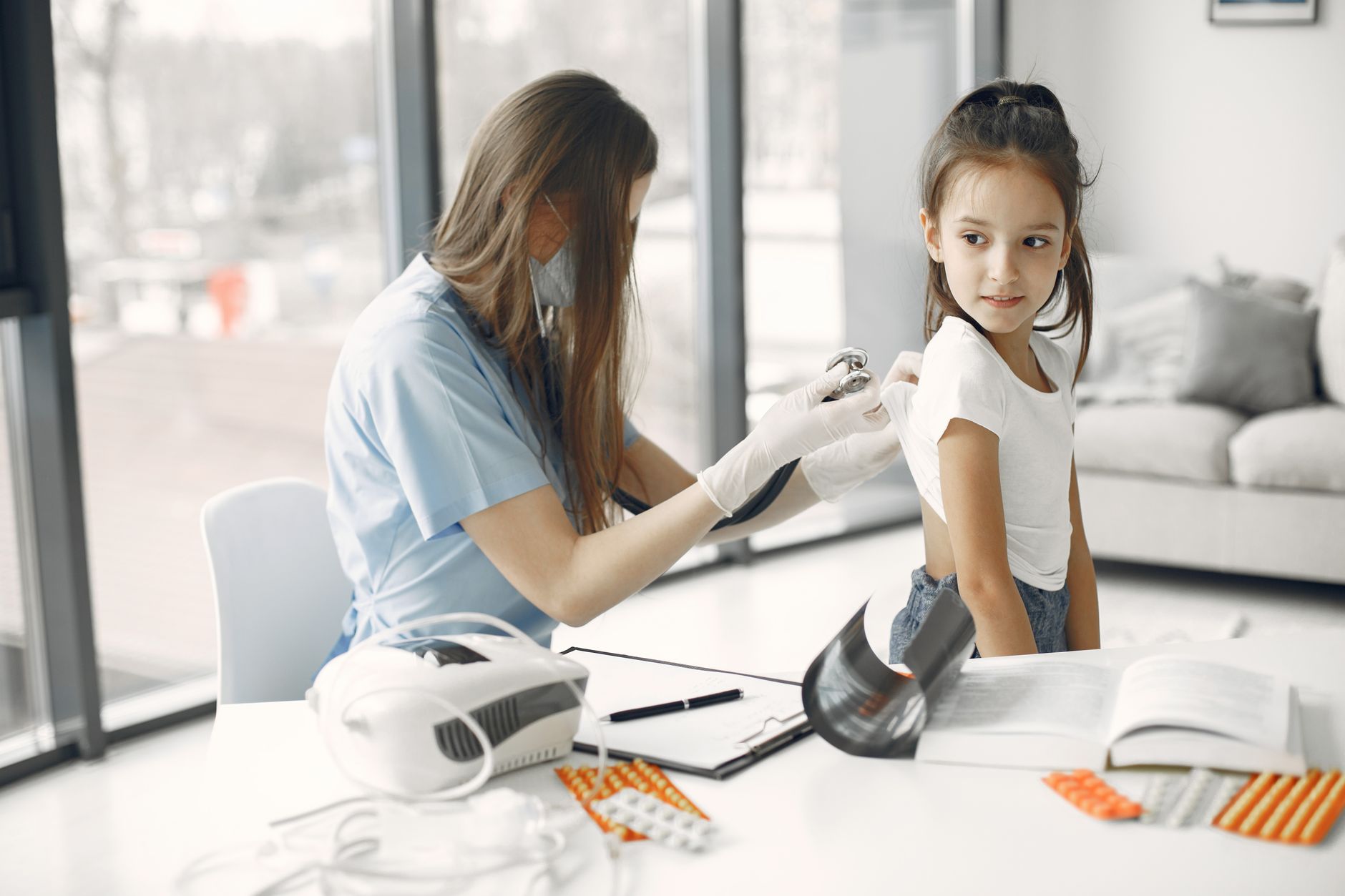
Individualized pediatric acne care was discussed at AAD 2026, with guidance on early diagnosis and treatment matched to the child. Pediatric dermatology patients can ask about diagnosis, severity, options, side effects, skincare, and follow-up timing.
Individualized care means the dermatologist tailors treatment to age, acne type, severity, and response. Pediatric dermatologist Dawn Eichenfield, MD, FAAD, PhD, of Rady Children's Hospital-San Diego discussed how pediatric acne and rosacea differ from adult disease and why early diagnosis and individualized treatment are essential, according to the American Academy of Dermatology in its annual meeting highlights. The 2026 meeting was held March 27-31, 2026, at the Colorado Convention Center in Denver, Colorado.
Medical information disclaimer: This article is for general educational purposes only and does not provide medical advice, diagnosis, or treatment. Always consult a physician or other qualified health professional about symptoms, medications, tests, or treatment decisions.
Table of Contents
- Why does age change acne care?
- What do the five age groups mean for parents?
- When is childhood acne a warning sign?
- What treatments and timelines should families discuss?
Why does age change acne care?
Children are not small adults with acne. Oil production, hormones, bacteria, and skin sensitivity shift with growth. Early diagnosis helps match care to the cause.
Individualized treatment avoids both undertreatment and overtreatment. A newborn with brief breakouts needs different decisions than a preteen with persistent pimples. Parents can ask what makes this case pediatric.
What do the five age groups mean for parents?
Pediatric acne is classified into neonatal birth to 8 weeks, infantile to 1 year, mid-childhood 1 to under 7 years, preadolescent 7-12 years, and adolescent 12-19 years, according to an American Acne and Rosacea Society consensus reported by Dermatology Times on younger children. The group sets expectations for cause, workup, and treatment.
Parents can ask which group their child fits and why it matters. They can ask whether the pattern looks typical for that age. They can ask what signs would prompt a change in plan.
When is childhood acne a warning sign?
Mid-childhood acne from ages 1 to under 7 is uncommon and worrisome for excess androgen activity such as premature adrenarche or congenital adrenal hyperplasia, warranting referral to pediatric endocrinology, according to Dermatology Times reporting on Eichenfield guidance in its report on new acne guidance. This age window deserves prompt medical attention.
Parents can ask whether hormone evaluation is needed. They can ask whether an endocrinology referral is appropriate now. They can ask which growth, hair, odor, or development changes to report.
What treatments and timelines should families discuss?
The 2024 AAD acne guidelines strongly recommend topical benzoyl peroxide, topical retinoids, topical or oral antibiotics including doxycycline, and oral isotretinoin for severe, scarring, psychosocially burdensome, or treatment-resistant acne. Good-practice statements advise combining different treatment types, using antibiotics sparingly to avoid resistance, and adding benzoyl peroxide when antibiotics are used.
Ask which combination fits this child and why. Ask how to apply each product, what side effects to watch for, and what skincare helps. Patients may see initial results in 6-8 weeks with complete clearing in 3-4 months, and should ask about diagnosis, severity, options, side effects, skincare, and when to return if unchanged at 6-8 weeks, according to the American Academy of Dermatology patient page on managing back acne and treatment expectations.
You Might Also Like
- Early Pediatric Acne Assessment Highlighted at AAD 2026: Questions Pediatric Dermatology Patients Can Ask a Dermatologist
- Individualized Pediatric Acne Care Discussed at AAD 2026: What the Update Means for Pediatric Dermatology Patients
- Individualized Pediatric Acne Care Discussed at AAD 2026: Evidence and Practice Questions Still Open for Teens With Early Acne