
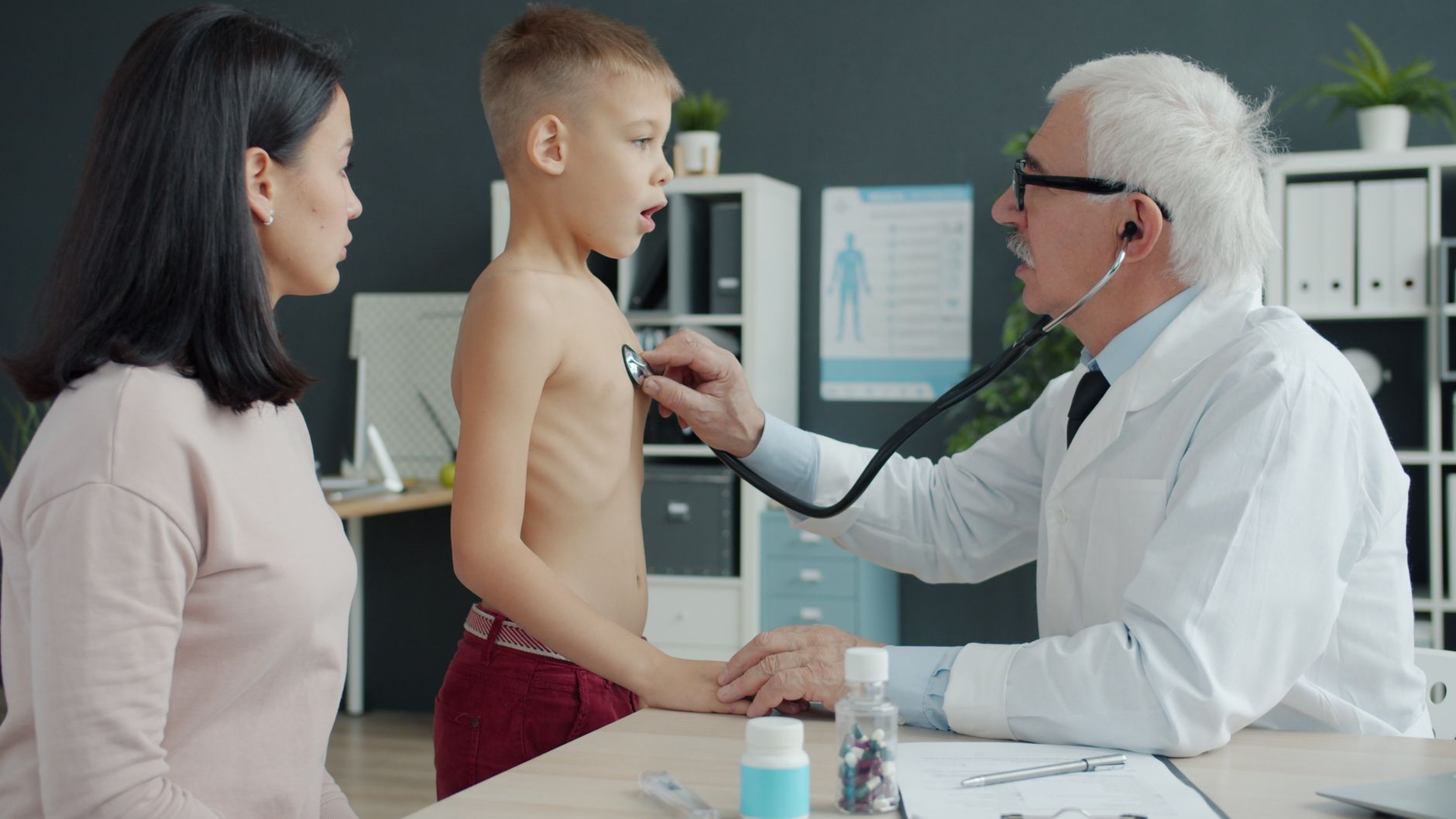
Individualized pediatric acne care was a focus at AAD 2026, centered on early diagnosis and sorting true acne from look-alikes. Pediatric acne means acne and acne-like eruptions from birth through adolescence, and look-alikes are rashes that copy acne but need different care. The meeting ran March 27-31 in Denver, with nearly 300 sessions, according to Dermatology Times in its preview of the 2026 meeting. The American Academy of Dermatology said in its 2026 meeting preview that Dawn Eichenfield, MD, FAAD, PhD would discuss how pediatric acne and rosacea differ from adult disease and why early, individualized treatment matters.
Medical information disclaimer: This article is for general educational purposes only and does not provide medical advice, diagnosis, or treatment. Always consult a physician or other qualified health professional about symptoms, medications, tests, or treatment decisions.
Table of Contents
- Why children need a different acne approach
- What newborn breakouts usually are
- How infantile acne differs
- When acne from ages 1 to 7 needs prompt evaluation
- What to bring to an individualized visit
Why children need a different acne approach
Children are not small adults for acne diagnosis. Size of pores, hormone stage, skin sensitivity, and rosacea overlap all shift with age. That is why the AAD 2026 discussion stressed matching diagnosis and treatment to age, not to adult patterns.
Individualized care starts with timing. Age of onset points toward likely causes and toward tests that add value. It also guides which products and drugs fit safely.
What newborn breakouts usually are
Newborn facial bumps alarm parents, but most are benign and brief. Healio CME Dermatology describes neonatal eruption in about 20% of newborns as facial papules and pustules, usually without comedones, in its review of acneiform eruptions. The same source calls the usual pattern benign cephalic pustulosis that resolves on its own.
The key look-alike question is comedones. Blackheads and whiteheads point more toward true acne. Pure red bumps and pus bumps without comedones, limited to cheeks and face, fit the newborn pattern.
How infantile acne differs
Dermatology Times describes infantile acne from about 1.5 to 12 months as uncommon and more frequent in boys. It can include comedones, red bumps, cysts, and nodules. Unlike newborn eruption, it carries scarring risk and higher later teen-acne risk.
That difference changes action. Short newborn eruption often needs gentle skin care and watchful waiting. Infantile acne with comedones, deep lumps, or scars needs prompt pediatric dermatology review.
When acne from ages 1 to 7 needs prompt evaluation
Acne between ages 1 and 7 is rare, Dermatology Times reports in its guide to concerning signs. The same source says it often signals excess androgens, tumor, Cushing syndrome, or early adrenarche.
Affected children need full skin exam, growth and bone-age review, hormone labs, and usually pediatric-endocrinology referral. Parents can watch for added signs that raise concern: Tetracyclines are avoided under age 8, so drug choice must stay age-appropriate.
- fast growth, body odor, pubic or underarm hair, or genital changes
- deep or lasting nodules, scarring, or acne plus excess hair growth
- high blood pressure, weight gain, or stretch marks suggesting Cushing syndrome
What to bring to an individualized visit
A useful visit answers three questions: is this acne, what age pattern fits, and what else could it be. Photos of onset, a list of skin products and steroids, and family acne history help. Growth charts, puberty stage, and recent illnesses or medicines add context.
For persistent infantile lesions, mid-childhood acne, scarring, or severe teen breakouts, ask whether referral is needed. Bring prior treatments, response, and side effects in writing. Keep routine gentle while waiting: mild cleanser, no picking, no harsh scrubs.
You Might Also Like
- Individualized Pediatric Acne Care Discussed at AAD 2026: Questions Pediatric Dermatology Patients Can Ask a Dermatologist
- Individualized Pediatric Acne Care Discussed at AAD 2026: What the Update Means for Pediatric Dermatology Patients
- Early Pediatric Acne Assessment Highlighted at AAD 2026: Questions Pediatric Dermatology Patients Can Ask a Dermatologist