
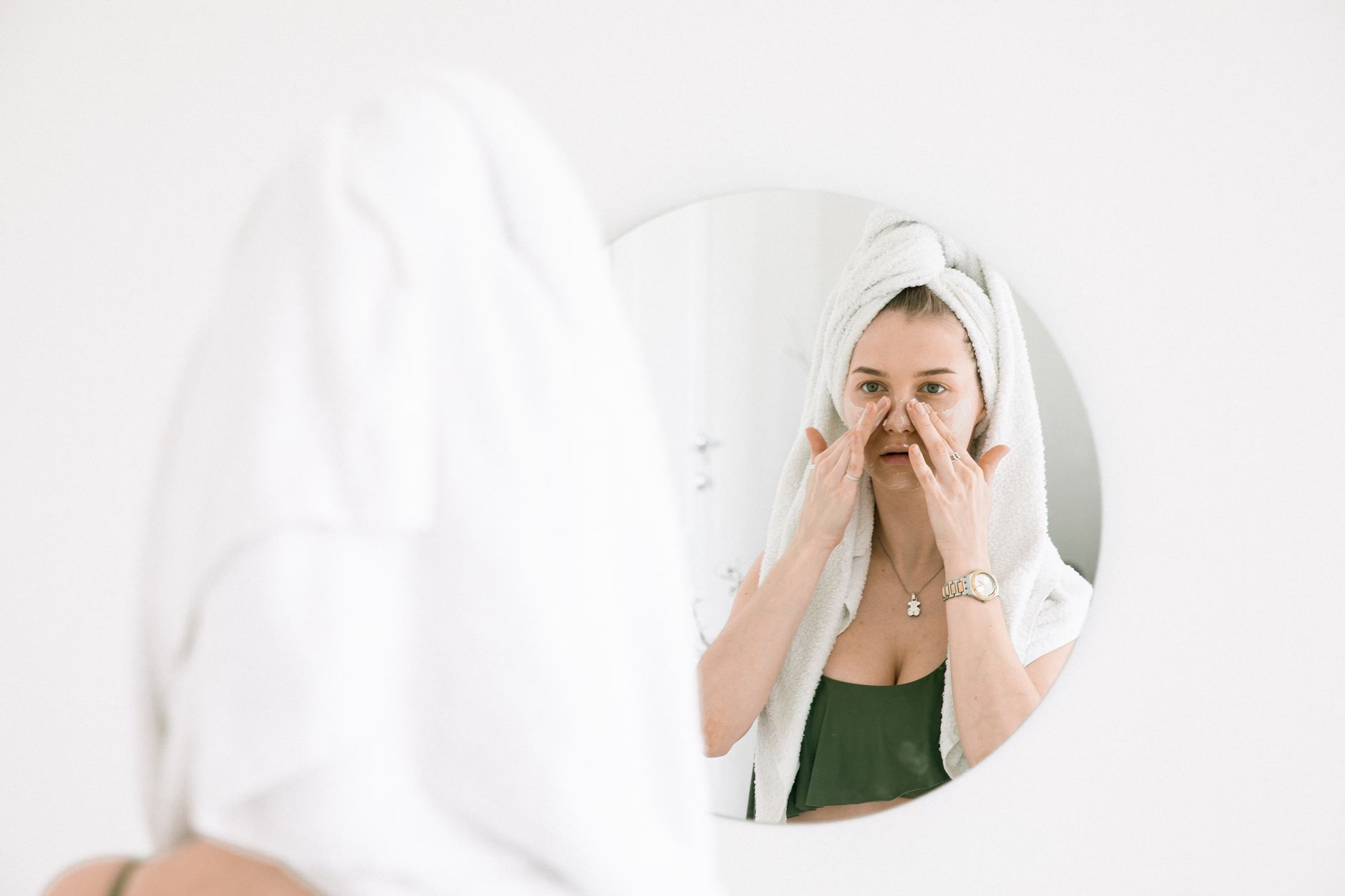
The Tatcha acne checklist is track triggers and breakouts, ask about proven actives, and verify Drug Facts and label terms. Tatcha is a Japanese-inspired skincare brand sold as gentle, dermatologist-tested formulas for sensitive skin. Use the checklist to separate cosmetic care from drug treatment. Cosmetic cleansers and moisturizers support the skin barrier, while proven acne actives and prescription options target clogged pores, bacteria, and inflammation.
Medical information disclaimer: This article is for general educational purposes only and does not provide medical advice, diagnosis, or treatment. Always consult a physician or other qualified health professional about symptoms, medications, tests, or treatment decisions.
Table of Contents
- Which acne actives should you ask about?
- Can you trust clean and non-comedogenic labels?
- What should daily tracking include?
- When should you expect change or seek care?
- Where do cosmetics stop working?
Which acne actives should you ask about?
Tatcha notes in Tatcha's guide to cleansers for acne and blackheads that salicylic acid clears oil and debris inside pores and benzoyl peroxide can kill acne-causing bacteria. Salicylic acid is a beta hydroxy acid, meaning an oil-soluble exfoliant small enough to enter the pore. Tatcha advises asking a dermatologist if either ingredient is right for you.
The FDA permits benzoyl peroxide 2.5–10%, salicylic acid 0.5–2%, and sulfur 3–10% as over-the-counter acne actives, as described in the FDA review of topical acne products. Check the Drug Facts box for the active ingredient and percentage. Front-label words like clarifying or purifying do not prove drug strength.
Can you trust clean and non-comedogenic labels?
Tatcha describes its pure formulas as non-irritating, non-sensitizing, dermatologist-tested, and cruelty-free. Sephora lists the brand as formulated without parabens, mineral oil, and phthalates. That detail helps sensitive users verify exclusions, but exclusion lists do not prevent breakouts.
The FDA does not require premarket approval of cosmetic labeling and has no approved list or standard test for non-comedogenic, according to DermLetter's summary of FDA labeling policy. A cosmetic labeled non-comedogenic can still clog pores. Patch-test new products and track new comedones, whiteheads, and irritation for two to three weeks.
What should daily tracking include?
The American Academy of Dermatology advises washing acne-prone skin twice daily and after sweating. Use fingertips and lukewarm water, without scrubbing.
Excess washing and scrubbing irritate skin and worsen acne. Track habits that change friction, oil, and irritation. A short daily log works well:.
- wash times, sweating, and whether you scrubbed or picked
- new products, missed doses, and menstrual or stress changes
- counts of blackheads, whiteheads, tender bumps, nodules, and dark marks
When should you expect change or seek care?
The American Academy of Dermatology advises allowing 6–8 weeks for initial improvement and 3–4 months for complete clearing, as stated in AAD's back-acne guidance. See a board-certified dermatologist if there is no difference by 6–8 weeks. AAD notes that almost every acne type is treatable with adjusted care.
For persistent, severe, or scarring acne, AAD's 2024 guidelines strongly recommend topical benzoyl peroxide, retinoids, fixed-combination antibiotics, oral doxycycline, and oral isotretinoin for severe disease. Bring your product list, Drug Facts photos, breakout log, and history of irritation. Ask which prescription option fits your severity, scarring risk, and prior response.
Where do cosmetics stop working?
Acne forms when androgens raise oil, dead cells plug follicles, bacteria grow, and inflammation forms pimples, according to the UK NHS. Cleansers and moisturizers cannot correct that full chain alone.
Nodules, cysts, deep pain, scarring, and hormone-driven patterns need medical treatment. Treat spreading painful lumps, scarring, dark marks that persist, or acne with excess facial hair and irregular periods as a prompt for care. Keep gentle Tatcha-type basics only if they do not sting, clog, or delay effective treatment.