
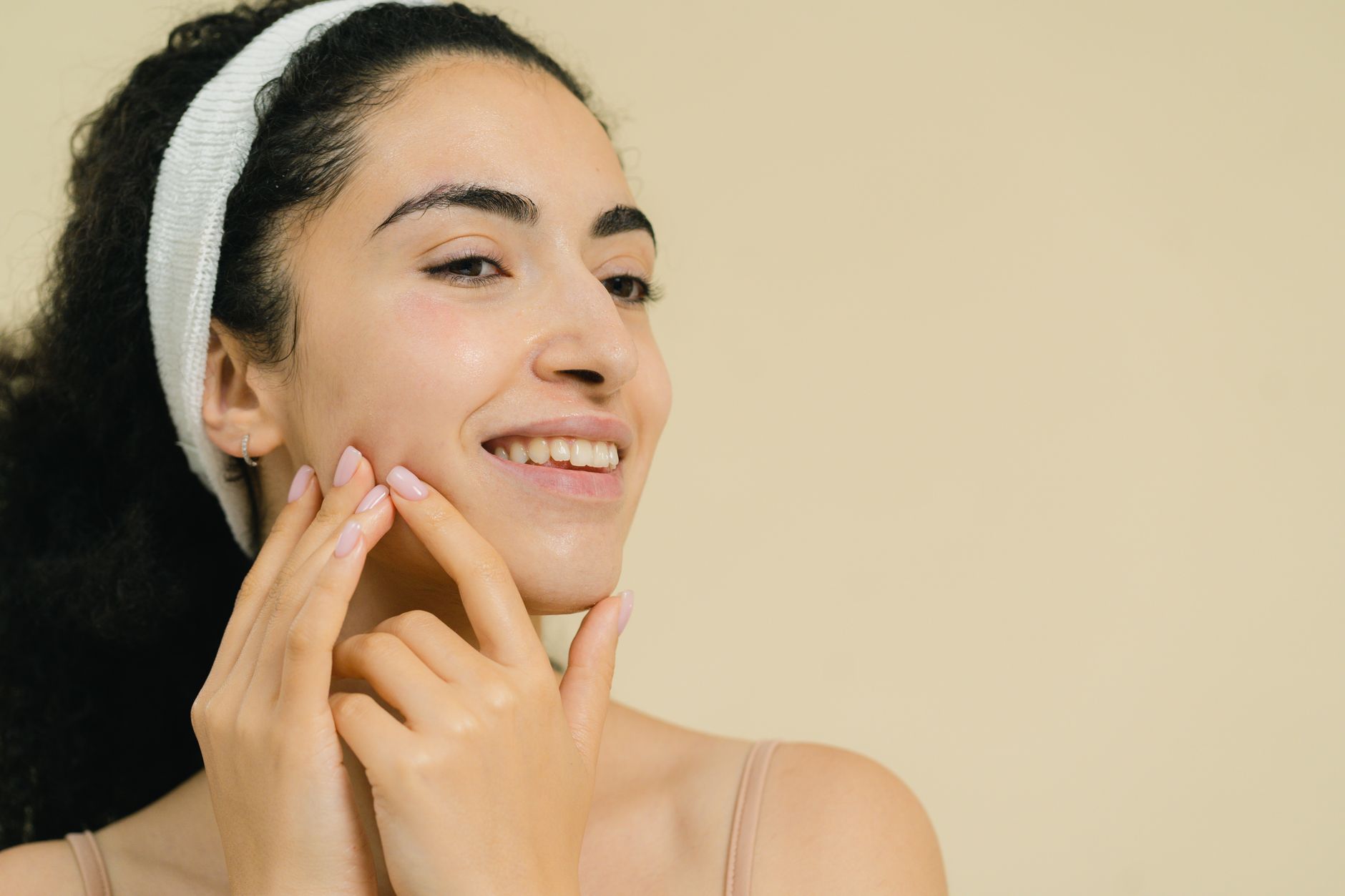
Youth To The People acne products target excess oil and clogged pores, not severe medical acne. Its Superclay Purify + Clear Power Mask combines salicylic acid, niacinamide, clays, kombucha and red willow bark to clear pores without stripping moisture. Salicylic acid (BHA) is an oil-soluble exfoliant that loosens debris inside pores. This FAQ explains how YTTP uses it, how breakouts form, and when to seek care.
Medical information disclaimer: This article is for general educational purposes only and does not provide medical advice, diagnosis, or treatment. Always consult a physician or other qualified health professional about symptoms, medications, tests, or treatment decisions.
Table of Contents
- What does the Superclay mask do?
- How do you use salicylic acid safely?
- Why do breakouts happen?
- How should you apply acne products?
- When does acne need a dermatologist?
What does the Superclay mask do?
According to Youth to the People, the Superclay mask pairs salicylic acid with 2% niacinamide, triple clays, kombucha and red willow bark in one rinse-off formula product page. It is designed to deep-clean pores, absorb excess oil and target breakouts. The goal is clearer pores without disrupting the moisture barrier.
This type of cosmetic exfoliant suits oily, breakout-prone skin with blackheads and clogged pores. It manages surface oil and buildup between cleansings. It does not replace prescription treatment for deep or widespread acne.
How do you use salicylic acid safely?
According to Youth to the People, 1% or 2% salicylic acid is often gentle enough for daily use to clear debris, oil and makeup BHA benefits guide. Higher-percentage BHA peels should be used about once weekly. Strong peels should not be layered with retinol.
The FDA permits only salicylic acid 0.5-2%, benzoyl peroxide 2.5-10% and sulfur 3-10% as single acne actives in over-the-counter products. Check the Drug Facts label for the active percentage and directions. Stop layering multiple strong exfoliants if burning, peeling or prolonged redness occurs.
- Use a daily 0.5-2% BHA leave-on or mask as directed
- Limit higher-percentage peels to about once weekly
- Do not combine a strong BHA peel with retinol on the same night
Why do breakouts happen?
According to University of Michigan Health, acne starts when excess oil and dead skin cells clog pores, trapping bacteria acne health library. The trapped mix causes swelling, redness and pus. Teens are most commonly affected because puberty hormones make skin oilier.
Adults can also develop breakouts, including flares before menstruation. Oil-prone areas like the face, chest and back clog most easily. Gentle care that removes oil without harsh scrubbing helps prevent new plugs.
How should you apply acne products?
According to University of Michigan Health, apply acne cream, lotion or gel to all breakout-prone areas, not only visible pimples. This treats early clogs before they surface. Allow time to work, since benzoyl peroxide may need up to 2 months for visible improvement.
Never squeeze or pick lesions because it risks infection and scarring. Use clean hands and avoid harsh soaps or rough scrubs. According to the American Medical Association, choose oil-free, non-comedogenic moisturizer and daily broad-spectrum SPF 30+ sunscreen physician guidance on acne treatment.
When does acne need a dermatologist?
Cosmetic exfoliants help oil and clogged pores, but they have clear limits. According to reporting on the American Academy of Dermatology guidelines, moderate-to-severe acne needs clinician care 2024 acne guideline update. Painful nodules, cysts and scarring fall in that group.
Dermatologists may recommend topical benzoyl peroxide, retinoids, antibiotics or fixed-dose combinations. Oral doxycycline is an option for wider flares, with oral isotretinoin for severe or scarring acne. Use over-the-counter products consistently, then seek dermatology care if breakouts do not improve.
You Might Also Like
- Vitamin C, Vitamin E, and Ferulic Acid After Acne Scar Laser in 2026: Questions People With Icepick Acne Scars Can Ask Before a Procedure
- Vitamin C, Vitamin E, and Ferulic Acid After Acne Scar Laser in 2026: Pigment, Pain, and Recovery Questions for People With Icepick Acne Scars
- Radiofrequency Microneedling vs Fractional CO2 for Acne Scars in 2026: Cost, Sessions, and Downtime Questions for People With Atrophic Acne Scars