
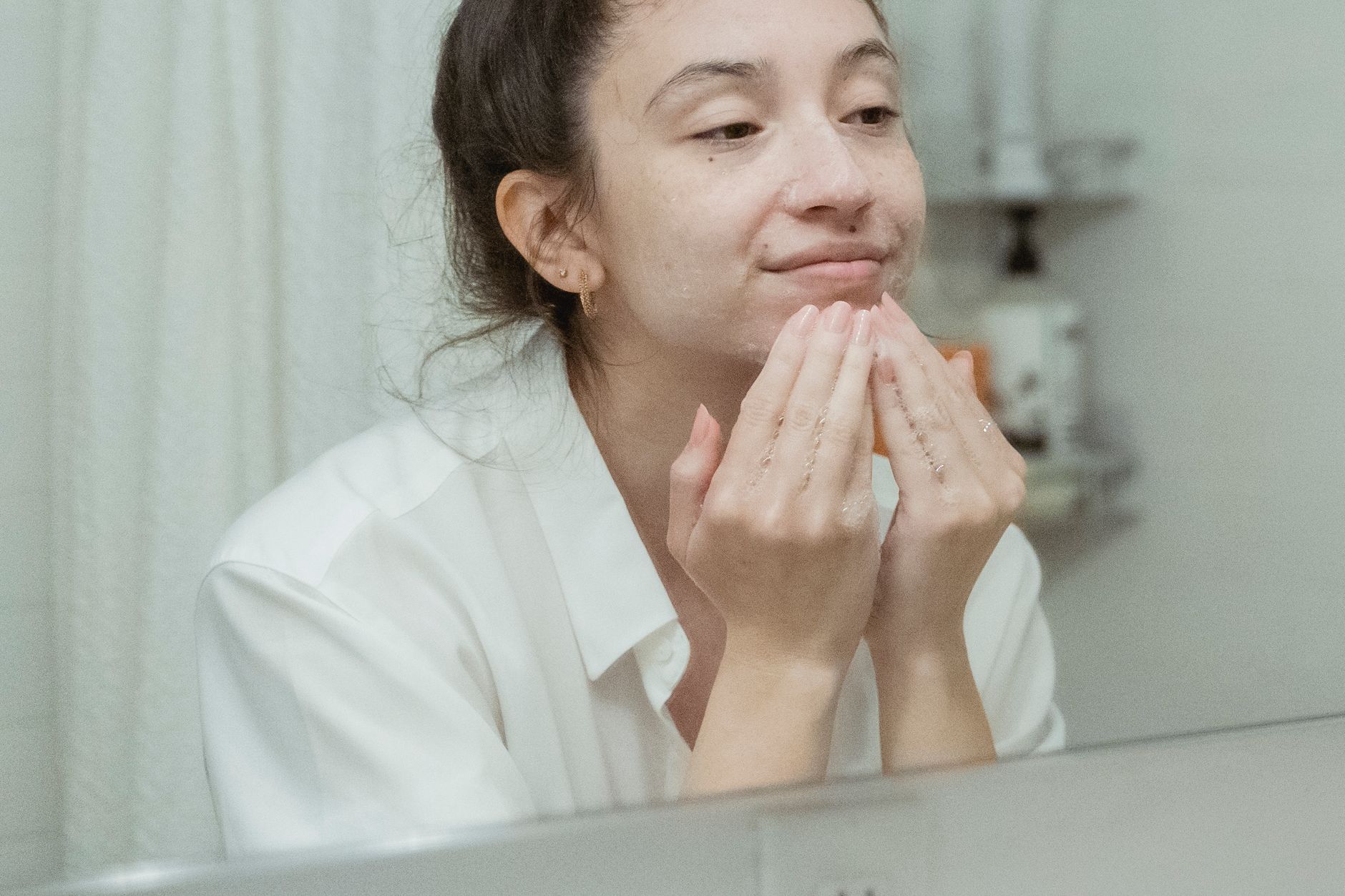
Glow Recipe Acne Research Review finds two serum formulas with acne-relevant ingredients but only limited brand-level testing, set against stronger guideline support for retinoids and benzoyl peroxide. The practical takeaway is to treat Glow Recipe as a possible part of a routine, not a standalone acne treatment. Clarity Acid Complex means Glow Recipe's blend of exfoliating acids built around salicylic acid, a pore-clearing exfoliant. This review compares what those products contain with dermatology guidance and regulatory limits, then explains gaps and daily use.
Medical information disclaimer: This article is for general educational purposes only and does not provide medical advice, diagnosis, or treatment. Always consult a physician or other qualified health professional about symptoms, medications, tests, or treatment decisions.
Table of Contents
- What is in the acne-focused serums?
- What do acne guidelines favor?
- How do the formulas fit FDA acne rules?
- What are the gaps and how to use the products?
What is in the acne-focused serums?
Strawberry Smooth serum contains a 10% Clarity Acid Complex with 2% salicylic acid plus mandelic acid, strawberry, azelaic and succinic acids. Glow Recipe balances that blend with hyaluronic acid and allantoin to smooth texture and clear breakouts.
Blackberry Retinol Blemish Serum uses a 0.16% triple-retinoid blend of retinol, retinal and retinyl ester plus blackberry extract. It also includes glycerin and ectoin to clarify blemishes, unclog pores and aid sensitive skin.
What do acne guidelines favor?
The 2024 American Academy of Dermatology acne guidelines strongly recommend benzoyl peroxide, topical retinoids, topical and oral antibiotics including doxycycline, their fixed combinations, and oral isotretinoin for severe disease, according to the Academy via Newswise updated acne management guidance. That recommendation covers teens and adults with acne.
The same guidelines give only conditional support to salicylic acid, azelaic acid, clascoterone and selected oral antibiotics. Conditional means weaker or more risk-sensitive evidence than for retinoids and benzoyl peroxide. A reader choosing an acid-led serum should weigh that difference.
How do the formulas fit FDA acne rules?
The FDA Center for Drug Evaluation and Research permits only three single acne actives without approval, as described in FDA guidance on topical acne products. The list is benzoyl peroxide 2.5-10%, salicylic acid 0.5-2%, and sulfur 3-10%, plus specified sulfur and resorcinol combinations.
Strawberry Smooth's 2% salicylic acid sits at the top of that permitted single-active range. The other acids, fruit extracts, retinoids and soothing agents fall outside that drug definition. Shoppers should read the label as cosmetic support plus one monograph active, not as a multi-drug acne treatment.
What are the gaps and how to use the products?
Brand-level evidence is limited. Sephora reports Glow Recipe Dew Drops results from a 30-subject 4-week clinical study and a 32-person consumer-use study, a small short-term sample with no control group described Sephora clinical product listing. That design can show short-term cosmetic change but cannot prove acne clearance.
Future science may widen options. NIH-funded researchers reported in Science Translational Medicine that skin fat cells can attack Cutibacterium acnes through reactive adipogenesis, pointing beyond current cleansers and retinoids NIH report on skin cells and acne. For now, readers need routines that control irritation and sun sensitivity.
- Use one exfoliating or retinoid serum at a time, then add only if skin stays calm.
- Cleanse gently, moisturize, use morning sunscreen, and avoid picking lesions.
- Pair different mechanisms across steps rather than stacking acids in one step.