
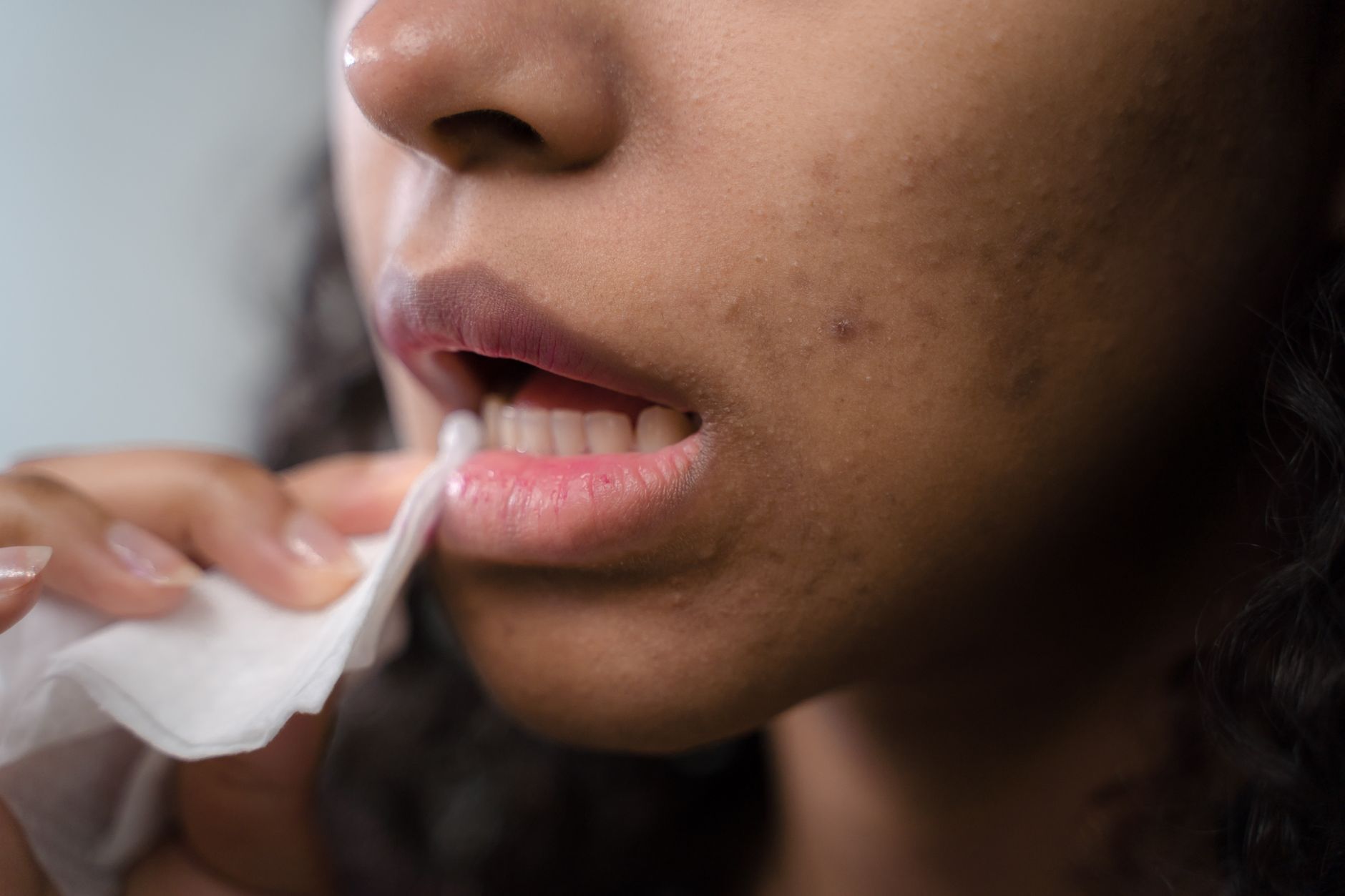
The 2026 review of diet for adult acne warns against restrictive regimens because adult treatment evidence remains sparse and strict rules carry risks. Adult acne vulgaris means persistent pimples, blackheads and inflamed spots that continue past the teen years.
Clinician Reviews, reporting dermatologist Hilary Baldwin, estimates persistent acne affects up to 50% of women in their 20s. Rates remain about 30% in their 30s and 25% in their 40s. That persistence fuels pressure to try extreme diets.
Medical information disclaimer: This article is for general educational purposes only and does not provide medical advice, diagnosis, or treatment. Always consult a physician or other qualified health professional about symptoms, medications, tests, or treatment decisions.
Table of Contents
- What the adult-only review found
- Why regulators favor normal healthy eating
- Which eating patterns track with acne
- When to seek care instead of cutting foods
- Frequently Asked Questions
What the adult-only review found
Kelman and colleagues limited their 2026 systematic review to adults with acne vulgaris. They screened dietary exposures and found only 17 eligible studies of diet or nutraceutical interventions, as described in the Cureus poster summary.
A small pool means single studies carry extra weight. Results can conflict, methods vary, and adult subgroups differ by age, sex and severity. That makes broad diet bans a weak basis for treatment decisions.
Why regulators favor normal healthy eating
The UK regulator NICE concludes there is insufficient evidence to recommend any specific diet as an acne treatment. It advises normal healthy eating instead, as stated in the NICE guideline NG198 rationale. NICE's December 2020 draft guideline noted some evidence for low-glycaemic-load diets.
Low-glycaemic-load means foods that raise blood sugar more slowly. It still declined to recommend the pattern over concern about weight loss and eating disorders in adolescents and young people. A diet rule deserves caution when it:.
- removes whole food groups without a medical reason
- sharply cuts energy intake or causes weight loss
- creates fear, guilt or avoidance around eating
- delays proven acne assessment and treatment
Which eating patterns track with acne
King's College London researchers reported in September 2026 that adults eating Mediterranean-style patterns were less likely to report acne. The pattern was rich in vegetables, fruits, whole grains and healthy fats, with the link strongest in women, according to the King's College London report via MedicalXpress. In the same cohort, the King's team found men eating lower-carbohydrate, higher animal-based-food patterns had greater likelihood of reporting acne. The contrast suggests diet associations differ by sex.
A Journal of the European Academy of Dermatology review lists four recurring observational links. They are high glycaemic-load diets, skim or low-fat milk, whey-protein supplements and a high omega-6 to omega-3 ratio. FoodBible, reporting expert comment on the JEADV study, stresses the Mediterranean finding shows association only. It did not prove that changing diet prevents or treats acne.
When to seek care instead of cutting foods
FoodBible, quoting dermatologist Dr Asad, advises adults with painful, persistent or scarring acne to seek medical assessment. The advice favors a balanced diet over increasingly restrictive food rules, as reported in the FoodBible expert report. Practical next steps keep food adequate while care moves forward: Keep meals regular, varied and adequate while treatment proceeds.
- book assessment for pain, deep lumps, scarring or acne lasting months
- bring a short food and symptom log, not a self-imposed ban list
- ask about proven treatments, sleep, stress and eating enough
- restore needlessly cut foods unless a clinician advises otherwise
Frequently Asked Questions
Does a low-glycaemic diet treat adult acne?
Regulators found the evidence too limited to recommend it as treatment, despite some early signals.
Should I stop milk or whey protein for acne?
They appear in observational links, but that does not prove removal clears acne; discuss changes with a clinician.
What eating pattern looks most supportive?
A varied Mediterranean-style pattern with vegetables, fruits, whole grains and healthy fats tracked with less reported acne in adults.
You Might Also Like
- Omega-3 Balance and Acne Questions in the 2026 Diet Review: What the Review Supports and Does Not Prove for Adults With Persistent Acne
- Mediterranean and Vegan Diet Claims in the 2026 Acne Review: Balanced-Nutrition Questions for Adults With Persistent Acne
- Milk, Dairy, and Acne Evidence Revisited in 2026: Balanced-Nutrition Questions for Adults With Persistent Acne