
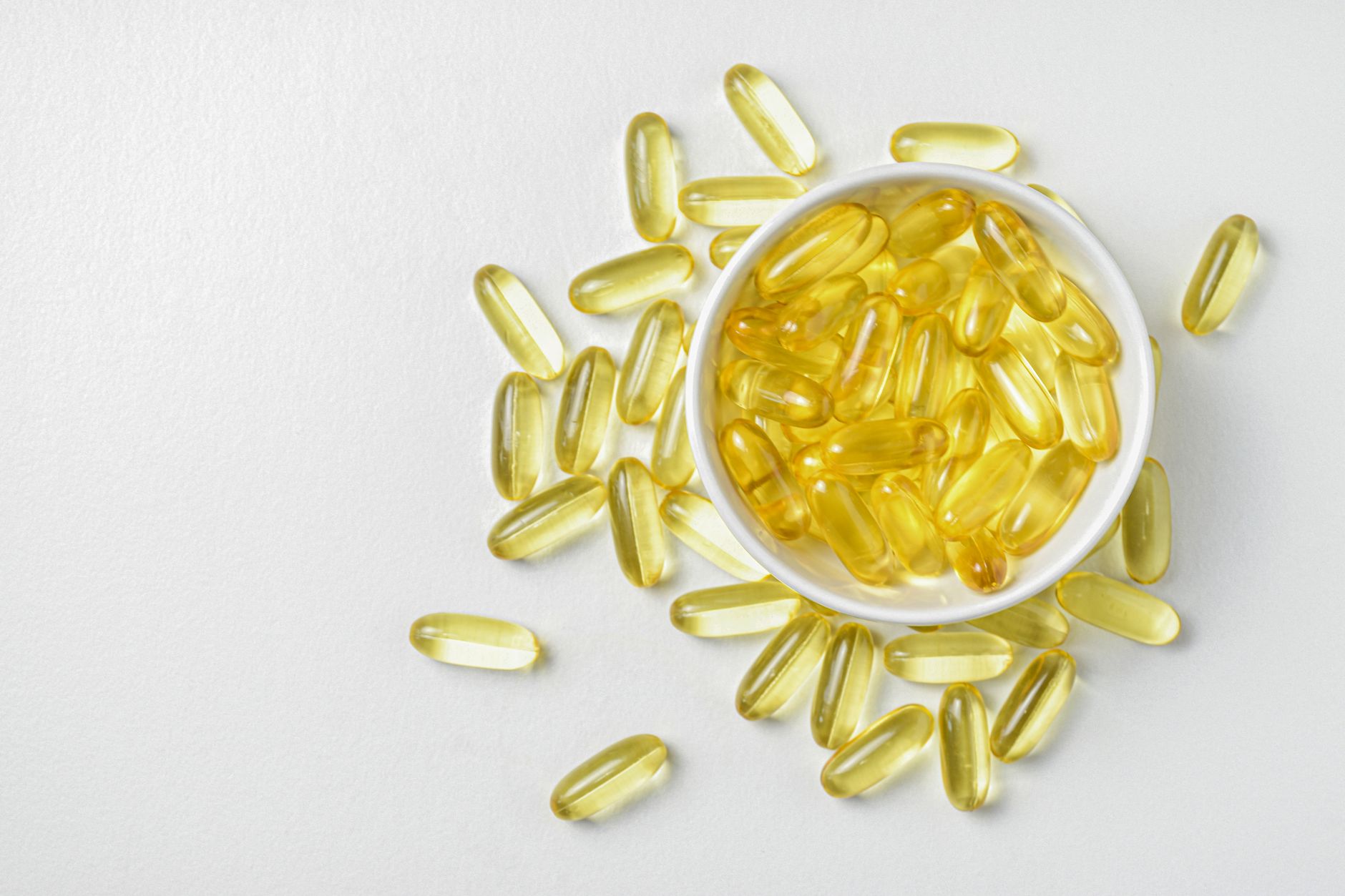
The 2026 diet review does not prove omega-3s clear persistent adult acne. It supports correcting a common EPA and DHA shortfall as a possible helper, not a replacement for proven treatment. Persistent acne means breakouts that continue past the teen years into adulthood. Omega-3 balance here means blood EPA plus DHA measured by the HS-Omega-3 Index, with 8% used as the study target.
Medical information disclaimer: This article is for general educational purposes only and does not provide medical advice, diagnosis, or treatment. Always consult a physician or other qualified health professional about symptoms, medications, tests, or treatment decisions.
Table of Contents
- Do the new diet rules target acne?
- What did the 60-adult study test?
- Why does improvement not prove omega-3s alone work?
- How should adults use omega-3s now?
Do the new diet rules target acne?
The USDA and HHS released the 2025-2030 Dietary Guidelines for Americans on Jan. 7, 2026.
Ohio State Live Healthy reports that they advise more protein and whole foods and less added sugar, refined carbs, and ultraprocessed foods, with no acne-specific omega-3 target in the federal update. Dermatology guidance is also cautious. Medscape reporting on the American Academy of Dermatology 2024 acne guidelines notes no specific dietary recommendation, because three small low-glycemic-load trials helped but a larger trial showed no benefit for acne control.
What did the 60-adult study test?
Researchers enrolled 60 adults with mild-to-moderate acne who used no prescription therapy. They followed a Mediterranean diet plus daily algal omega-3s. The dose was 600 mg DHA plus 300 mg EPA in weeks 1-8, then 800 mg DHA plus 400 mg EPA in weeks 8-16, according to the Journal of Cosmetic Dermatology report.
Almost all started low. Healio Dermatology reports that 98.3% had an EPA and DHA deficit below 8% at baseline, with a mean of 4.9%. The mean rose to 8.3% by week 16, alongside significant drops in inflammatory and non-inflammatory lesions.
Why does improvement not prove omega-3s alone work?
The study had no control group and combined diet change with supplements. The Antioxidants systematic review in January 2026 notes that this design allows only within-person comparison. That matters because diet, supplements, time, and natural acne swings all changed together.
No separate group shows what would have happened without the intervention. Persistent acne also affects one group most. JAMA Dermatology found some facial acne in 54% of women over 25, with clinical acne lasting to middle age in 12% of women versus 3% of men. Adult women therefore have the most reason to seek proof, not hope, before changing treatment.
How should adults use omega-3s now?
Treat EPA and DHA as a possible add-on. NIH notes they must come mainly from fish or supplements because ALA conversion is very small.
The same NIH fact sheet cites FDA advice to take no more than 3 grams per day of combined EPA plus DHA. Practical next steps include: Bring your current acne medicines and any fish-oil label to that visit.
- Keep prescribed acne treatment unless your clinician changes it.
- Ask your clinician or pharmacist whether fish or algal oil fits your health history.
- Check the label so food plus supplements stay within the FDA daily limit.
You Might Also Like
- Mediterranean and Vegan Diet Claims in the 2026 Acne Review: Balanced-Nutrition Questions for Adults With Persistent Acne
- Diet and Acne Facts and Controversies in the 2026 Review: Balanced-Nutrition Questions for Adults With Persistent Acne
- Oral Doxycycline for Acne in a 2026 Systematic Review: Safety and Monitoring Questions for Adults With Persistent Acne