
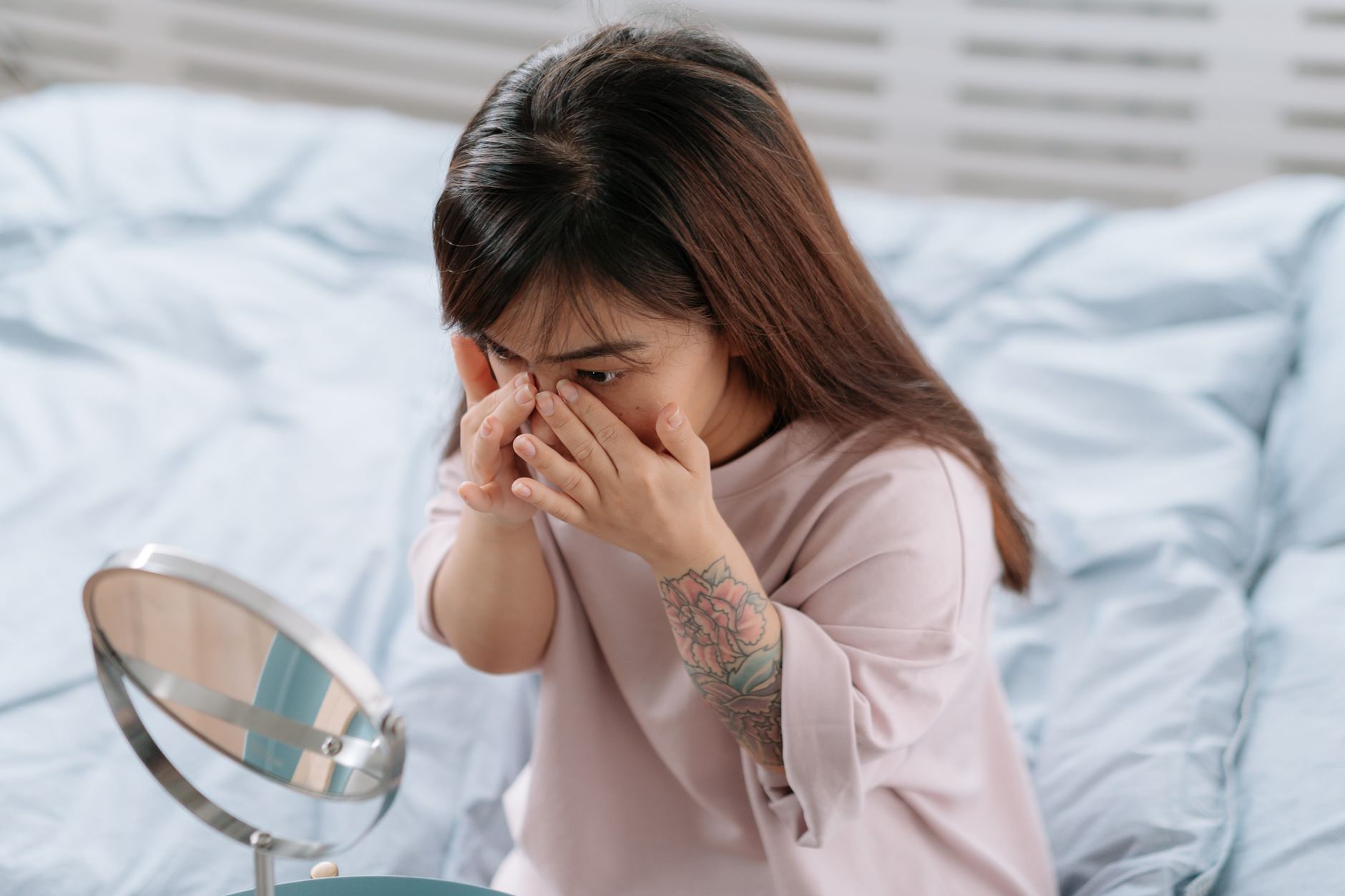
research shows psychological burden from acne vulgaris rises with severity, but perceived stigma drives distress even more than spot count. For teens with acne, the central questions are how visible breakouts affect mood, friendships and daily life, and whether bullying or withdrawal is happening. Psychological burden here means anxiety, depression, poor quality of life and stigma linked to acne. A 2026 systematic review found the emotional and psychological domains carry most of the impact, with the heaviest burden in adults, females and people with more severe acne, according to the 2026 systematic review in the American Journal of Clinical Dermatology.
Medical information disclaimer: This article is for general educational purposes only and does not provide medical advice, diagnosis, or treatment. Always consult a physician or other qualified health professional about symptoms, medications, tests, or treatment decisions.
Table of Contents
- How does distress change as acne gets worse?
- Why does stigma matter more than spot count?
- What should visits ask teens directly?
- What can families do between appointments?
How does distress change as acne gets worse?
Severe acne in youth carries sharply higher odds of mental-health symptoms. In a cross-sectional study of 9,417 children and adolescents under 18 cited in the Springer Nature systematic review, severe acne was linked to higher odds of anxiety, depression, ADHD and insomnia.
The pattern is not a simple straight line. A young-adult study reported in the Journal of Cosmetic Dermatology found higher severity raised skin-related life impairment and social-appearance anxiety, but generalized anxiety and depression scores did not rise linearly with severity. Severity matters, but it does not predict every teen's experience.
Why does stigma matter more than spot count?
Feeling judged, stared at or excluded can hurt more than the lesions themselves. In a survey of 271 acne sufferers reported in PLOS ONE, perceived stigma was the largest predictor of psychological distress and somatic symptoms, exceeding gender, acne severity, location and medication effects, according to the PLOS ONE survey analysis.
The same theme appears in children. A multisite study of 1,671 children reported by Northwestern Medicine found 73% experienced measurable stigma strongly tied to poor quality of life, depression, anxiety and impaired peer relationships. Pediatric dermatology experts quoted by Dermatology Times report depression in 20-25% of acne patients, anxiety in about one-third and suicidality around 12%, with withdrawal from friends in severe teen acne.
What should visits ask teens directly?
Doctors cannot judge impact by looking alone. In the pediatric skin-disease study published in JAMA Dermatology, child-rated severity and visibility for ages 8 and older differed markedly from physician ratings, showing clinicians should ask the child directly about impact, as described in the JAMA Dermatology study summary.
Practical guidance favors short, open questions to both teen and caregiver. Examples include how acne affects school, photos, sports and sleep, how the teen copes day to day, and whether teasing, bullying or avoidance of friends has started. Active listening matters because teens may minimize distress when a parent answers first.
What can families do between appointments?
Make mood part of acne care, not a separate topic. Guidance summarized by Contemporary Pediatrics, Clinical Advisor and a JAAD study recommends open-ended questions about coping and bullying, active listening to teens and caregivers, plus routine depression screening, which remains very low at acne visits despite the acne-depression link, according to reporting on depression screening at acne visits.
- Ask privately and plainly about teasing, exclusion, skin-picking, sleep and cancelled plans.
- Track changes: lower mood, irritability, school avoidance, quitting activities or pulling away from friends.
- Bring a brief note to the visit listing worst-impact moments, not only worst breakouts.
- Seek prompt care for persistent sadness, hopelessness, self-harm thoughts or rapid withdrawal, and ask the acne team about screening or referral options.
You Might Also Like
- The 2026 Systematic Review of Acne and Quality of Life: Stigma and Communication Questions for Teens With Acne
- Mental Health Screening Questions Raised by 2026 Acne Research: How Teens With Acne Can Avoid Overreading Correlation
- Why the 2026 Acne Body Image Study Does Not Prove Causation: How Teens With Acne Can Avoid Overreading Correlation