
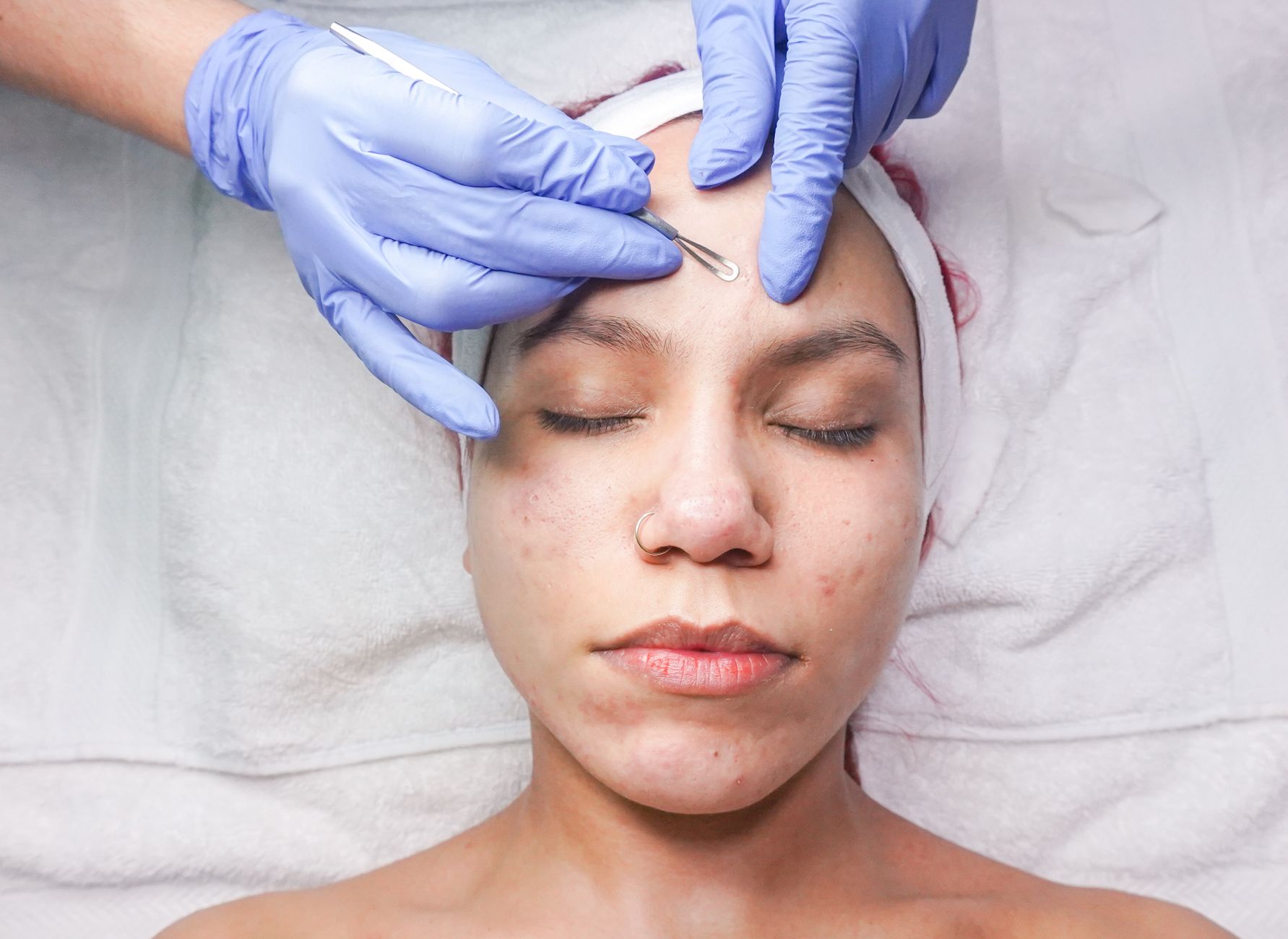
The 2026 acne body-image study does not prove causation because it measured acne and feelings at one time, so it shows a link only. Teens with acne can avoid overreading it by treating the result as an association that needs context, not proof that acne caused body-image trouble.
Acne vulgaris, the medical term for common pimples, blackheads, and inflamed spots, is the condition studied. Researchers at Universitas Sriwijaya found adolescents with acne had higher odds of negative body image (OR 1.901, p=0.041), as detailed in the journal PDF. That finding deserves attention, yet timing alone keeps it from proving cause.
Medical information disclaimer: This article is for general educational purposes only and does not provide medical advice, diagnosis, or treatment. Always consult a physician or other qualified health professional about symptoms, medications, tests, or treatment decisions.
Table of Contents
- What the 170 teens reported
- Why one-time data cannot show cause
- What else can weigh on body image
- How can you read acne headlines calmly
What the 170 teens reported
The same Universitas Sriwijaya team found acne linked with lower self-confidence (OR 0.368, p=0.001), as shown in the study PDF. The sample included 170 adolescents. Many reported body-image strain alongside acne.
An odds ratio compares odds between groups, not a direct share of teens harmed. A value above one means higher odds, while a value below one means lower odds. Readers can use it as a signal about group patterns, not a personal forecast.
Why one-time data cannot show cause
The study design took a single snapshot in time. Authors of an acne regression study in Nature Scientific Reports note such cross-sectional data reveal associations but cannot determine causality or direction, as explained in the research article. That limit applies even when the link looks strong.
Direction stays open in a snapshot. Acne may feed self-criticism, low mood may color body image, or both may move together. Only follow-up over time can sort out order.
What else can weigh on body image
Teen life brings other strains that can rise at the same time as acne worry. Higher teen social-media use is linked to worse anxiety and depression, strongest in girls, partly through body-image pressure from edited photos, according to MedicalXpress reporting on a teen study in the news report. That pressure can coincide with acne distress.
A teen comparing bare skin to filtered faces may feel worse on bad-skin days. School stress, sleep loss, comments from peers, and family tension can add weight. Looking at the full picture prevents blaming acne alone.
How can you read acne headlines calmly
Pause before turning a headline into a verdict about your face. Use a quick check that keeps facts apart from fear.
Keep helpful habits tied to the present day. Track sleep, gentle skin care, and time spent comparing looks online. Bring lasting sadness, avoidance of school or photos, or harsh self-talk to a parent, counselor, or dermatologist promptly.
- Note the design: one survey or follow-up over months.
- Note the group: age range, size, and setting.
- List two other explanations for the link.
- Ask what action the finding supports today.
You Might Also Like
- Why the 2026 Acne Body Image Study Does Not Prove Causation: Support Options Teens With Acne Can Discuss
- Anxiety, Body Image, and Acne in a 2026 Cross-Sectional Study: How Teens With Acne Can Avoid Overreading Correlation
- Anxiety, Body Image, and Acne in a 2026 Cross-Sectional Study: Mental Health Screening Questions for Teens With Acne