
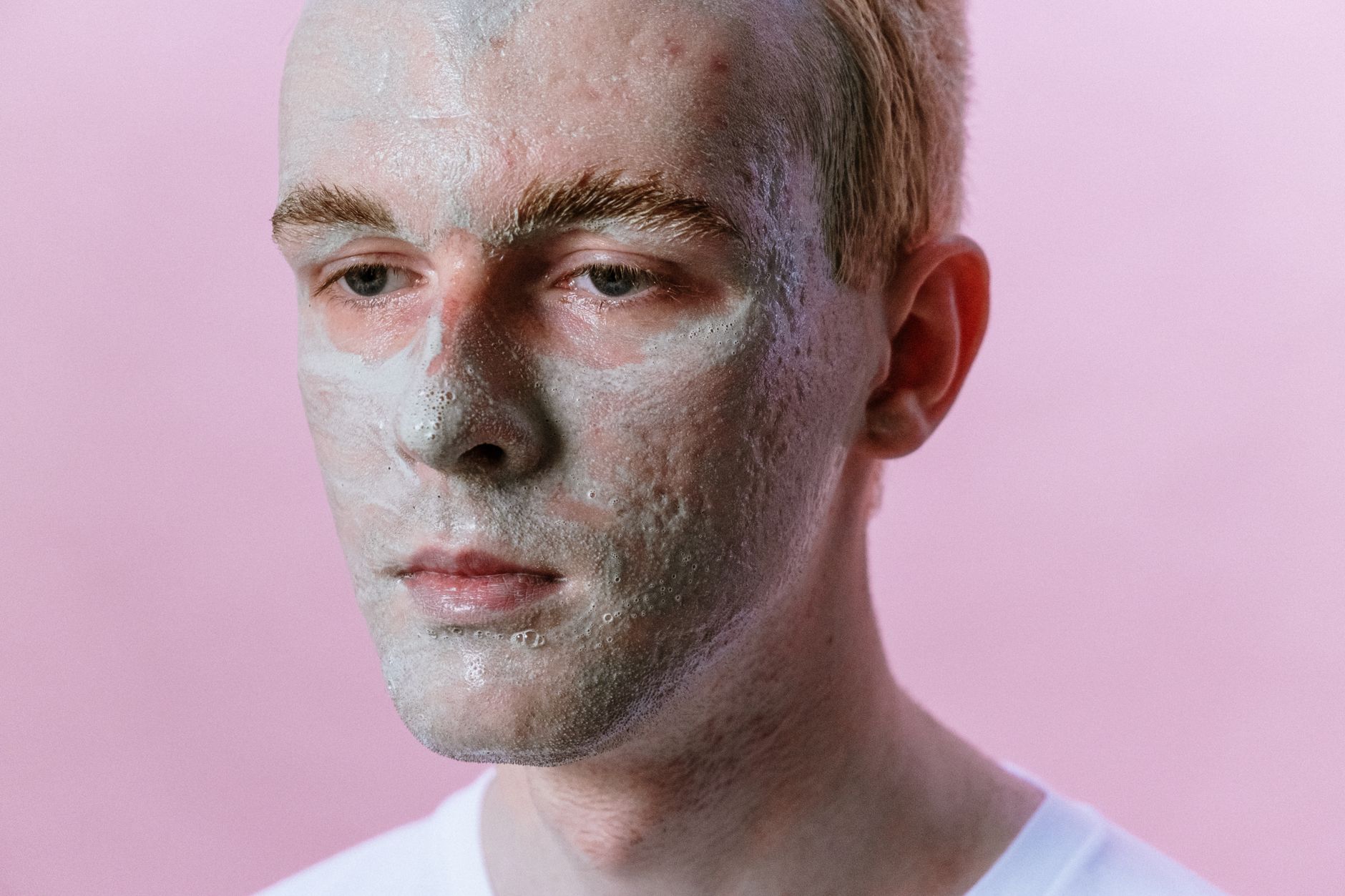
Use this CeraVe acne checklist to track cleanser type, daily use, and skin response, and to ask about next steps and verify safety information. It covers salicylic acid, a pore-clearing active, and benzoyl peroxide, a bacteria-fighting active, plus ceramides that support the skin barrier.
The list fits daily over-the-counter care. It helps you compare options, stay consistent, and spot when prescription care fits. Use it to record what you use and what changes.
Medical information disclaimer: This article is for general educational purposes only and does not provide medical advice, diagnosis, or treatment. Always consult a physician or other qualified health professional about symptoms, medications, tests, or treatment decisions.
Table of Contents
- Choose the cleanser type for your breakouts
- Use it the same way every day
- Track progress for 4 to 8 weeks
- Ask about prescription care when needed
- Verify labels and allergy warnings
Choose the cleanser type for your breakouts
Kroger's CeraVe listing states its Acne Control Cleanser has 2% salicylic acid plus oil-absorbing hectorite clay, niacinamide, hyaluronic acid, and three essential ceramides to clear acne and reduce blackheads while maintaining the skin barrier product description. That formula suits tracking blackheads, excess oil, and barrier comfort.
CeraVe sells two benzoyl peroxide washes: Acne Foaming Cream Cleanser with 4% benzoyl peroxide for daily use, and Acne Foaming Cream Wash with 10%, the maximum over-the-counter strength without prescription benzoyl peroxide wash page. Record which active and strength you start. Do not use both cleansers at once unless a clinician directs it.
Use it the same way every day
CeraVe directs users to massage a dime-size amount into wet skin in gentle circles, according to CeraVe via its Amazon listing. Same dose, same timing, and same gentle motion make response easier to judge.
Non-comedogenic means the formula is made not to clog pores. Track these daily details:.
- cleanser name, active, and strength
- morning or evening wash and dime-size dose
- moisturizer, sunscreen, and other acne products used
- burning, dryness, redness, or new breakouts
Track progress for 4 to 8 weeks
Forefront Dermatology, citing the American Academy of Dermatology, advises allowing 4 to 8 weeks of consistent topical use before judging improvement acne treatment guidance. Log breakout count, size, and location weekly. Note barrier signs such as tightness or flaking.
Continue treatment after clearing to prevent new breakouts. Avoid picking or squeezing, which worsens inflammation and scarring. Bring the log to follow-up visits.
Ask about prescription care when needed
Ask a dermatologist promptly if acne is cystic, widespread, scarring, unresponsive to over-the-counter care, uncertain in diagnosis, or affecting confidence, according to physician guidance from the American Medical Association. Prescription retinoids, antibiotics, or injected corticosteroids may be needed for those cases.
The American Academy of Dermatology 2024 guidelines strongly recommend topical benzoyl peroxide, retinoids and antibiotics and combinations thereof, plus oral doxycycline and isotretinoin for severe acne. Prepare these questions:.
- does my pattern look like acne or another rash
- should I combine mechanisms for better results
- do I need prescription retinoid, antibiotic, or procedure
- what follow-up interval fits my severity
Verify labels and allergy warnings
Check Drug Facts for active, strength, directions, and warnings before buying. The FDA requires Drug Facts labeling, establishment registration, and NDC listing for these acne actives under its over-the-counter monograph. Dermatology Times, reporting FDA warnings, notes these products can cause rare severe allergy with throat tightness, facial swelling or hives, and that benzoyl peroxide bleaches hair and dyed fabrics FDA allergy warning report.
CeraVe states its acne cleansers are developed with dermatologists, fragrance-free and paraben-free, non-comedogenic and allergy-tested. Stop use and seek emergency care for throat tightness, facial swelling, or hives. Use white towels and pillowcases when using benzoyl peroxide.