
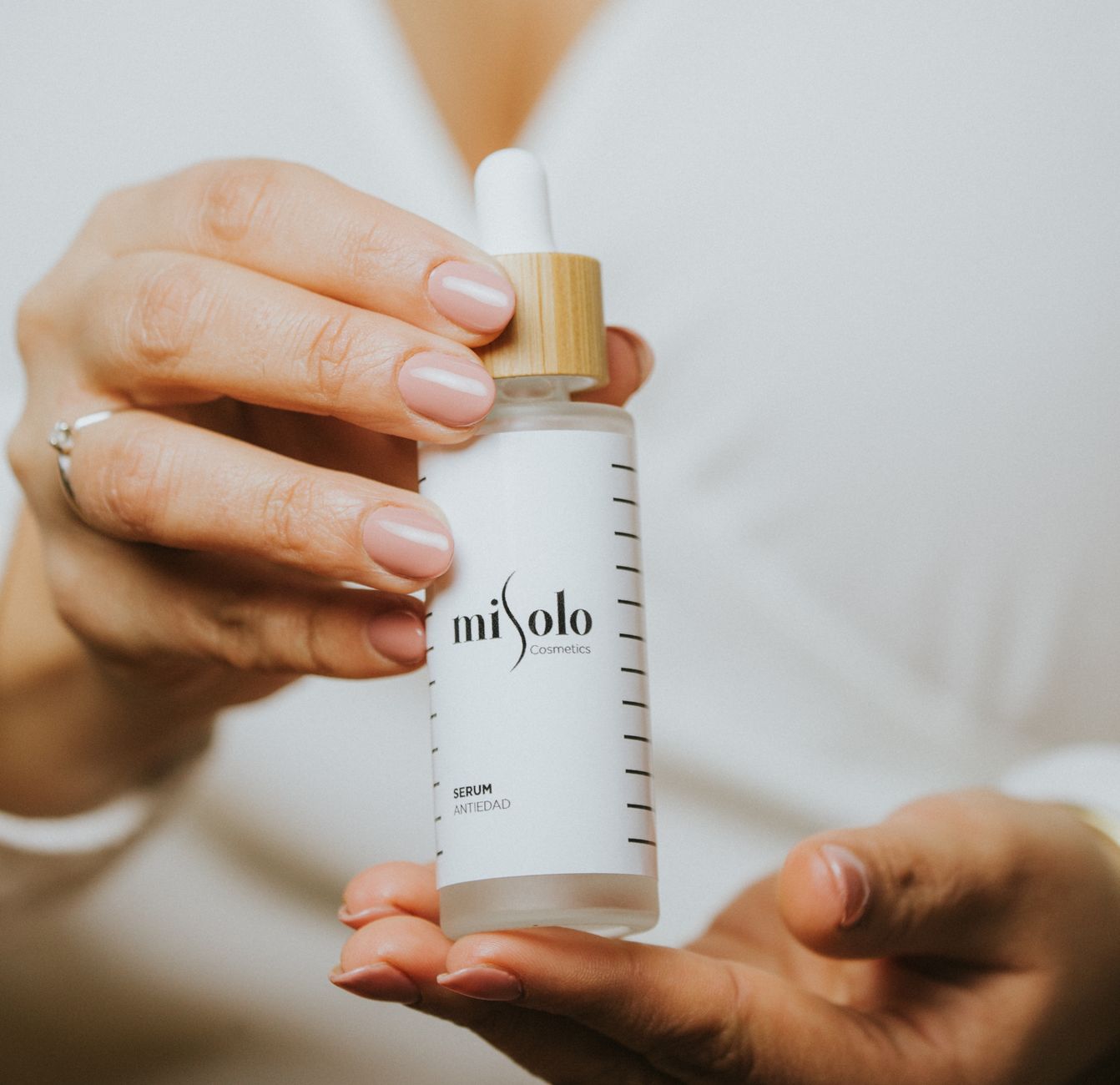
Antioxidant serum with vitamins C, E and ferulic acid reduced redness during the first two weeks after ablative fractional CO2 for atrophic acne scars. For people with rolling scars, it supports early healing but does not replace scar remodeling from the laser itself.
Fractional CO2 creates tiny columns of heat injury that trigger collagen repair, while rolling scars are broad, shallow depressions from tissue tethering. Rolling scars often need more than laser alone. This briefing explains what the new serum evidence shows, what recovery involves, and how to protect results.
Medical information disclaimer: This article is for general educational purposes only and does not provide medical advice, diagnosis, or treatment. Always consult a physician or other qualified health professional about symptoms, medications, tests, or treatment decisions.
Table of Contents
- What did the 2026 serum trial find?
- Why do rolling scars need a different plan?
- What will healing look like?
- How do you lower risk of dark spots?
- Is laser an established option for acne scars?
What did the 2026 serum trial find?
A randomized investigator-blinded split-face trial tested vitamin C, E and ferulic acid serum after ablative fractional CO2 for atrophic acne scars. Treated sides showed greater redness reduction during the first two weeks, according to the peer-reviewed report published in PubMed Central the January 2026 split-face trial. A University of Minnesota chart review found no associated complications when the same type of serum was applied immediately after fractional ablative CO2.
That safety finding applies only to immediate use and does not extend to other products or home routines. Less redness can make the first two weeks more comfortable and make healing easier to track. It does not prove faster scar filling or better final texture.
Why do rolling scars need a different plan?
Rolling scars sit wide and shallow, with fibrous bands pulling the surface down. Fractional CO2 monotherapy works better for these and superficial boxcar scars than for pitted scars, the Journal of Cutaneous and Aesthetic Surgery reports. A comparative review summarized by MDPI reported about 60% improvement in facial acne scars in 68 patients in Ding et al. 2024 a comparative review summarized by MDPI.
That average hides wide variation by scar shape and depth. For rolling scars, doctors often pair resurfacing with release. One reported approach combined single-session acid peel, extensive subcision and fractional CO2 resurfacing. Dermatologic Surgery, reported via Healio, described it as safe and effective specifically for rolling scars.
- wide rolling scars: tethering dominates, release helps lift the base
- superficial boxcar scars: defined edges respond better to resurfacing
- deep pitted scars: least response to laser alone, need tailored options
What will healing look like?
Expect redness plus fine scale or crusts for several days. A Lasers in Surgery and Medicine review notes transient redness and scale-crust as expected, with dark spots in a minority a Lasers in Surgery and Medicine review.
Strict sun avoidance and gentle care matter during this window. Harsh scrubs, picking, and unprotected sun raise irritation and pigment risk. Contact the clinic promptly for spreading pain, yellow crusts, blistering, or dark patches that widen.
- stay out of direct sun and seek shade while crusts shed
- cleanse gently and avoid picking scale or crusts
- follow clinic timing for moisturizer and sunscreen restart
How do you lower risk of dark spots?
Dermatologist Arielle Kauvar advised consistent tinted sunscreen before and after laser. She stressed the step especially for skin of color to curb inflammation and excess pigment, as reported by AJMC AJMC's report on Kauvar's advice.
Consistency matters more than strength. Daily wear before treatment calms background inflammation, and careful restart after treatment shields fragile new skin. Ask your clinic exactly when to resume tinted sunscreen after crusts shed and what shade blends without rubbing.
Is laser an established option for acne scars?
U.S. FDA 510(k) summary K090195 lists acne scars and surgical scars as indications for CO2 and fractional laser devices. That designation means cleared use for scars, not experimental use.
Clearance does not promise a set result. Skin tone, scar mix, prior peels, and sun exposure still shape downtime and pigment risk. Bring a scar history and pigment history to the consult to discuss pairing laser with subcision.
You Might Also Like
- Antioxidant Serum After Fractional CO2 Acne Scar Treatment in 2026: Who Was Studied and Who Was Not for People With Rolling Acne Scars
- Vitamin C, Vitamin E, and Ferulic Acid After Acne Scar Laser in 2026: A Source-Checked 2026 Briefing for People With Rolling Acne Scars
- Vitamin C, Vitamin E, and Ferulic Acid After Acne Scar Laser in 2026: Who Was Studied and Who Was Not for People With Rolling Acne Scars