
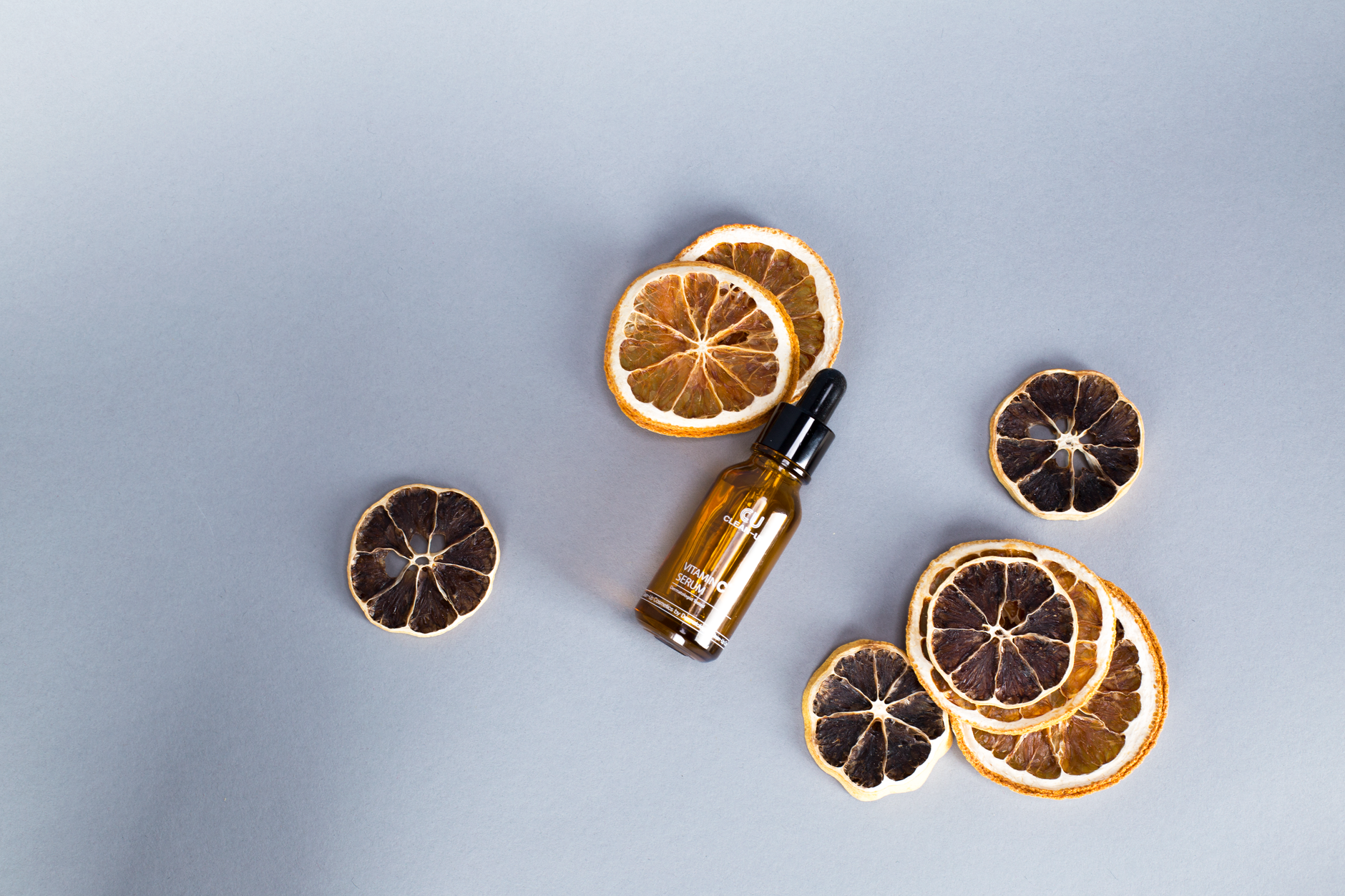
The January 2026 serum trial studied Chinese adults ages 18-50 with moderate-to-severe atrophic acne scars after fractional CO2 laser. It did not study rolling scars separately, so people seeking rolling-only proof were not covered.
Rolling scars are wide, shallow depressions with sloping edges that give skin a wavy look. Atrophic scars include rolling, boxcar, and icepick types. This article explains who joined the study, what changed, and what to discuss with a dermatologist.
Medical information disclaimer: This article is for general educational purposes only and does not provide medical advice, diagnosis, or treatment. Always consult a physician or other qualified health professional about symptoms, medications, tests, or treatment decisions.
Table of Contents
- What did the 2026 trial test?
- Who was included in the study?
- What improved during early healing?
- Who was not studied separately?
- What should people with rolling scars do?
What did the 2026 trial test?
Researchers tested vitamin C plus vitamin E plus ferulic acid serum against normal saline after ablative fractional CO2 laser. Each participant received serum on one randomized facial side and saline on the other side. The Journal of Cosmetic Dermatology published the January 2026 randomized investigator-blinded split-face trial by Shi, Xu and Zhang the January 2026 trial report.
Application started immediately after laser and continued for 14 days. The cohort table included about 64 adults. This split-face design compared healing on the two sides in the same person.
Who was included in the study?
Participants were Chinese adults ages 18-50 with moderate-to-severe facial atrophic acne scars. Moderate meant ECCA scores 16-45 and severe meant 46-80. ECCA is a scoring system for acne scar severity.
The group reflects adults with clearly visible scarring, not mild texture changes. It does not reflect children, older adults, or other populations. Recovery patterns can differ by age, skin tone, and scar severity.
What improved during early healing?
Serum-treated sides showed lower redness and pigmentation scores than saline sides at days 3, 7, and 14. All comparisons had P less than .0001. ConsultantLive reported these erythema and melanin index results ConsultantLive's report on redness and pigmentation.
By day 14, serum sides also had better skin hydration and lower water loss through skin. Hydration improvement had P equal to .0367 and water-loss improvement had P equal to .0246. Better hydration and lower water loss point to stronger moisture retention and barrier recovery.
Who was not studied separately?
The report did not separate results by rolling, boxcar, or icepick subtypes. A person with mainly rolling scars therefore has no subtype-specific result to use. The full-text report details the subtype and exclusion limits the full trial text via PubMed Central.
Other groups were also outside the study. Key limits were: These exclusions matter for daily routine and safety planning. Makeup use, allergy history, age, and scar grade change aftercare choices.
- routine makeup users were excluded
- people allergic to serum components were excluded
- ages outside 18-50 were not enrolled
- mild scars were not enrolled
What should people with rolling scars do?
The 14-day follow-up in one Chinese cohort measured early recovery, not long-term scar remodeling. Rolling scars often need treatment aimed at tethering bands and deeper support. Early redness or pigment improvement does not equal lasting flattening of rolling edges.
Bring your scar pattern, allergy history, and makeup needs to the visit. Ask whether subtype-directed treatment is still needed after laser healing. Ask when to restart active products and sun protection.
You Might Also Like
- Antioxidant Serum After Fractional CO2 Acne Scar Treatment in 2026: How People With Rolling Acne Scars Can Avoid Overreading the Headline
- Vitamin C, Vitamin E, and Ferulic Acid After Acne Scar Laser in 2026: Who Was Studied and Who Was Not for People With Rolling Acne Scars
- Vitamin C, Vitamin E, and Ferulic Acid After Acne Scar Laser in 2026: How People With Rolling Acne Scars Can Avoid Overreading the Headline