
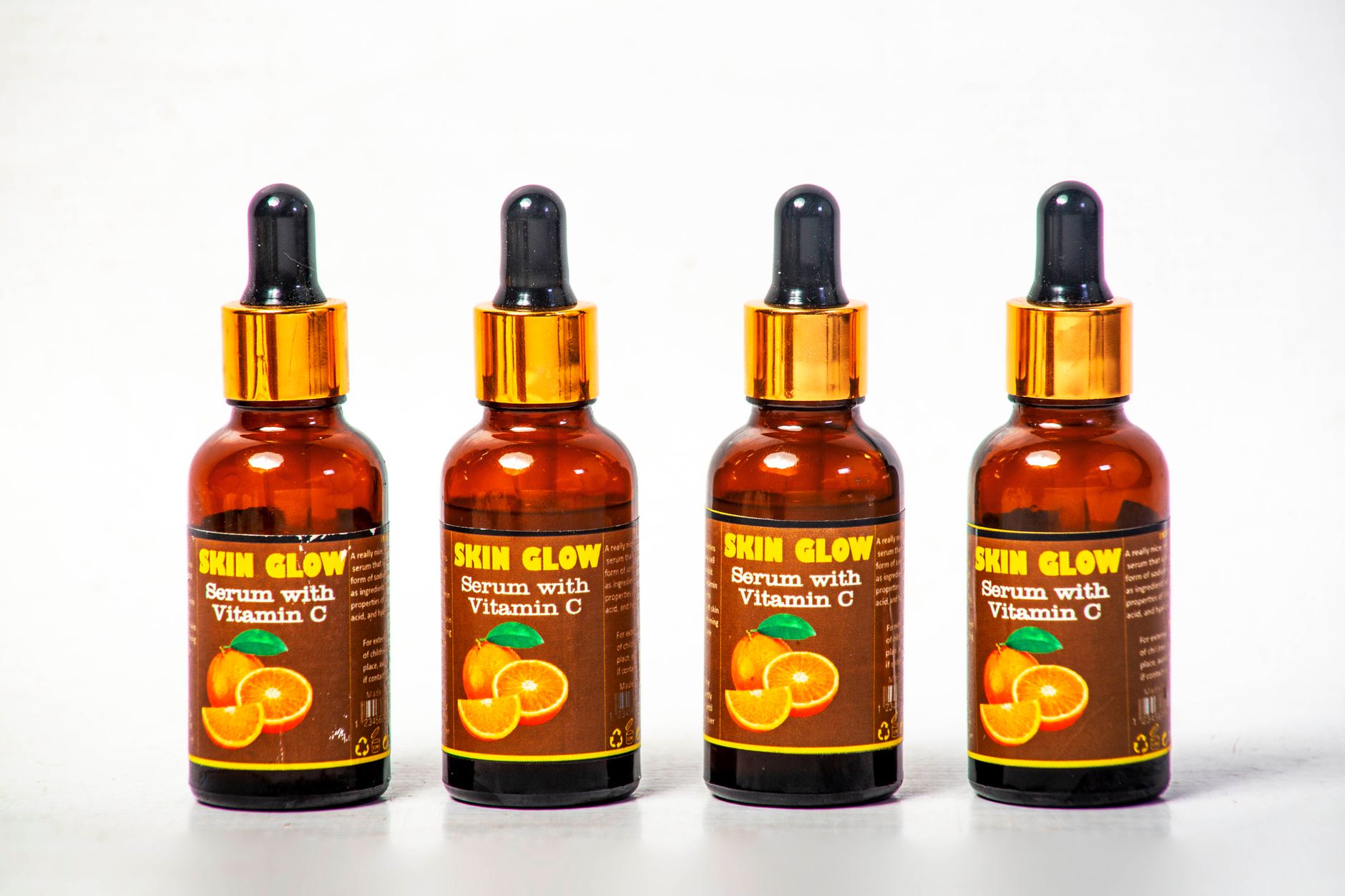
For people with rolling acne scars, vitamin C, vitamin E and ferulic acid after fractional laser may ease redness and support faster wound healing. The antioxidants do not replace the laser itself, and they work only with clinician-directed timing plus strict sun protection. Rolling scars are wide, shallow depressions tethered by dermal fibrous bands. Reviews report fractional CO2 laser improves rolling scars more reliably than icepick scars, with higher-energy settings showing more improvement but more risk of pigmentation and prolonged redness, according to the literature review summarized on ResearchGate review of fractional CO2 lasers for atrophic acne scars.
Medical information disclaimer: This article is for general educational purposes only and does not provide medical advice, diagnosis, or treatment. Always consult a physician or other qualified health professional about symptoms, medications, tests, or treatment decisions.
Table of Contents
- Why rolling scars respond to fractional laser
- Why combine C, E and ferulic acid
- What happened when serum followed laser
- How to protect healing skin from sun
- What to ask before trying it
Why rolling scars respond to fractional laser
Rolling scars sit under tethered skin that creates a wavy shadow. Fractional laser creates tiny controlled columns of injury that trigger remodeling and new collagen. That mechanism fits wide shallow scars better than narrow deep icepick scars.
Higher energy can increase smoothing but also raises irritation. Pigment change and lingering redness are the main trade-offs to discuss before treatment. Skin tone, sun exposure and healing history shape that choice.
Why combine C, E and ferulic acid
L-ascorbic acid, alpha-tocopherol and ferulic acid act as an antioxidant network. Ferulic acid stabilizes the vitamins and boosts defense against sun-simulated damage. A 2005 Journal of Investigative Dermatology study found adding 0.5% ferulic acid to 15% vitamin C plus 1% vitamin E doubled photoprotection from about 4-fold to 8-fold, measured by redness and sunburn cells, according to the Medscape/MEDLINE abstract of Lin et al. abstract of the Lin et al.
photoprotection study. Vitamin C also supports collagen repair. It activates collagen-gene transcription, stabilizes procollagen mRNA for types I and III, and increases tissue inhibitor of MMP-1 to slow breakdown, according to the Journal of Clinical and Aesthetic Dermatology review review of topical vitamin C mechanisms and clinical uses. One cited clinical study reported denser papillary dermis after daily 3% vitamin C for four months.
What happened when serum followed laser
A split-face fractional ablative laser trial tested laser-assisted delivery of a vitamin C, E and ferulic acid serum against vehicle. The serum side showed less postoperative redness on days 3 and 5. It also showed significantly higher basic fibroblast growth factor at day 5, linked to faster wound healing, according to the PubMed abstract of Waibel et al. abstract of the Waibel et al.
laser-assisted delivery trial. That result matters because redness is both uncomfortable and visible. Lower early redness can mean easier return to work and social life. Higher growth-factor signal suggests more active repair rather than surface cover alone.
How to protect healing skin from sun
Laser-treated skin is highly photosensitive and needs shade, moist wound care and strict sun protection. Dermatologist guidance reported by MDedge stresses mineral sunscreen and avoiding treatment of tanned skin to reduce hyperpigmentation report on post-laser complication tips from AAD 2018. For daily cover, the FDA recommends broad-spectrum SPF 15 or higher on all uncovered skin even on cloudy days, using about one ounce for full-body coverage and reapplying at least every two hours and after swimming or sweating, according to the FDA consumer update FDA tips for sunscreen and sun safety.
- Stay out of direct sun while wounds close
- Keep treated areas moist as directed
- Apply broad-spectrum sunscreen to uncovered skin and reapply on schedule
What to ask before trying it
The post-laser healing finding comes from a small, industry-funded early study. People with rolling scars should not self-apply acidic antioxidants to open laser wounds. Use them only on clinician-directed timing, plus daily SPF 30 or higher because laser-treated skin may stay sun-sensitive for months, according to the MedicalXpress/HealthDay summary noting L'Oréal/SkinCeuticals funding summary of the post-laser vitamin and ferulic acid study.
Ask your clinician when to start, which formula strength fits your skin, and how to pause if burning, spreading redness or dark patches appear. Bring your sunscreen plan, work schedule and pigment-change history. Stop picking or scrubbing treated areas unless directed.
You Might Also Like
- Vitamin C, Vitamin E, and Ferulic Acid After Acne Scar Laser in 2026: Who Was Studied and Who Was Not for People With Rolling Acne Scars
- Antioxidant Serum After Fractional CO2 Acne Scar Treatment in 2026: Who Was Studied and Who Was Not for People With Rolling Acne Scars
- Antioxidant Serum After Fractional CO2 Acne Scar Treatment in 2026: How People With Rolling Acne Scars Can Avoid Overreading the Headline