
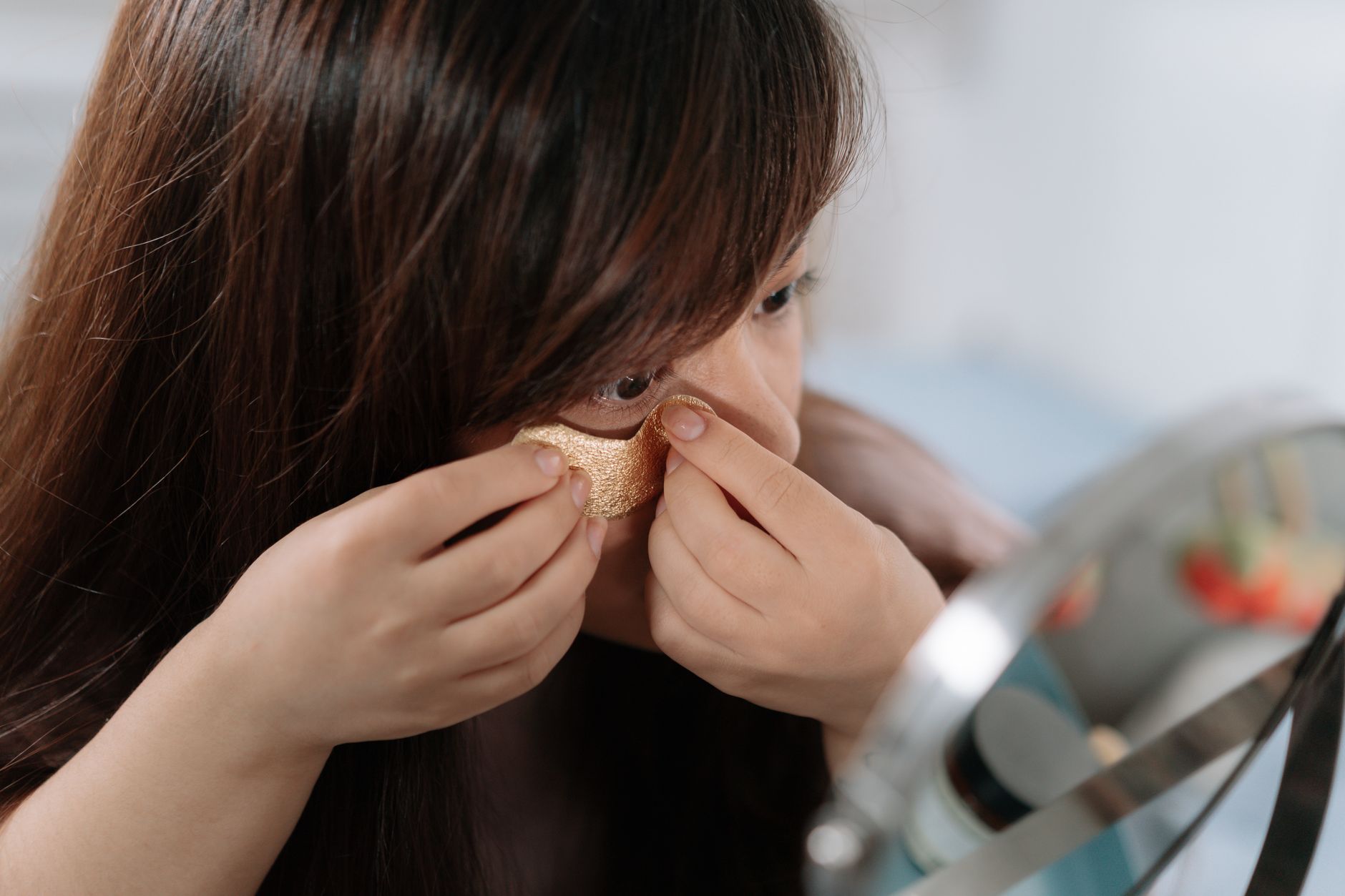
MedicalXpress reports hydrocolloid absorbs pus, oil, dead cells and wound fluid into a gel that turns white, described in the science behind the color change. The bump stays because deeper swelling and clogged material remain under the skin.
A pimple patch is a small hydrocolloid sticker placed over a spot. Dermatologist Sandra Lee explains plain hydrocolloid mainly keeps the area moist to support healing, according to Parade in how plain hydrocolloid works. That moisture does not specifically treat or quickly resolve the pimple itself.
Medical information disclaimer: This article is for general educational purposes only and does not provide medical advice, diagnosis, or treatment. Always consult a physician or other qualified health professional about symptoms, medications, tests, or treatment decisions.
Table of Contents
What the white color means
The clear sticker turns opaque white or cloudy as the gel swells with fluid. White shows the patch pulled surface liquid from the opening. It does not mean the whole infection drained.
A fast color change often means much surface pus or oil was available. A thick or tender lump can still hold infected material below. White is a sign of partial absorption, not full clearance.
Why the bump stays behind
RaeDerma explains deep cystic, nodular and blind pimples form in the dermis without a surface opening, detailed in why surface patches miss deep pockets. A surface patch often cannot reach or drain that enclosed pocket. Pus-filled whiteheads give fluid an exit path.
Deep lesions stay solid because inflammation sits lower and wider. Dermatologist Joshua Zeichner says hydrocolloid dressings suit pus-filled pimples rather than deep lesions. Hartford HealthCare dermatologist Dr. Wong says hydrocolloid draws out oil and pus to reduce inflammation.
Which pimples respond best
Hero Cosmetics instructs users to apply Mighty Patch Original to a clean whitehead, the poppable fluid-filled kind. The company says it works best on pimples with fluid or pus inside.
Early blind bumps, hard painless plugs, and large nodules respond less. The physical barrier still helps by blocking picking, a common cause of scarring. Less touching means less tearing, fewer germs, and cleaner healing.
What to do next
A whitened patch has done its surface job, so remove it gently. Cleveland Clinic advises practical next steps for stubborn spots, outlined in how to handle a lingering bump.
Persistent, large or painful deep bumps may need ice, prescription antibiotics or isotretinoin, or an in-office corticosteroid injection, according to American Medical Association acne-treatment guidance. Repeated patching alone will not fix those cases.
- Replace a quickly whitened patch with a fresh one on clean skin.
- Consider a medicated or microdart patch for an early blind pimple.
- Do not squeeze, pop, or dig at the remaining bump.
- See a dermatologist if a bump lasts weeks, grows, or worsens.