
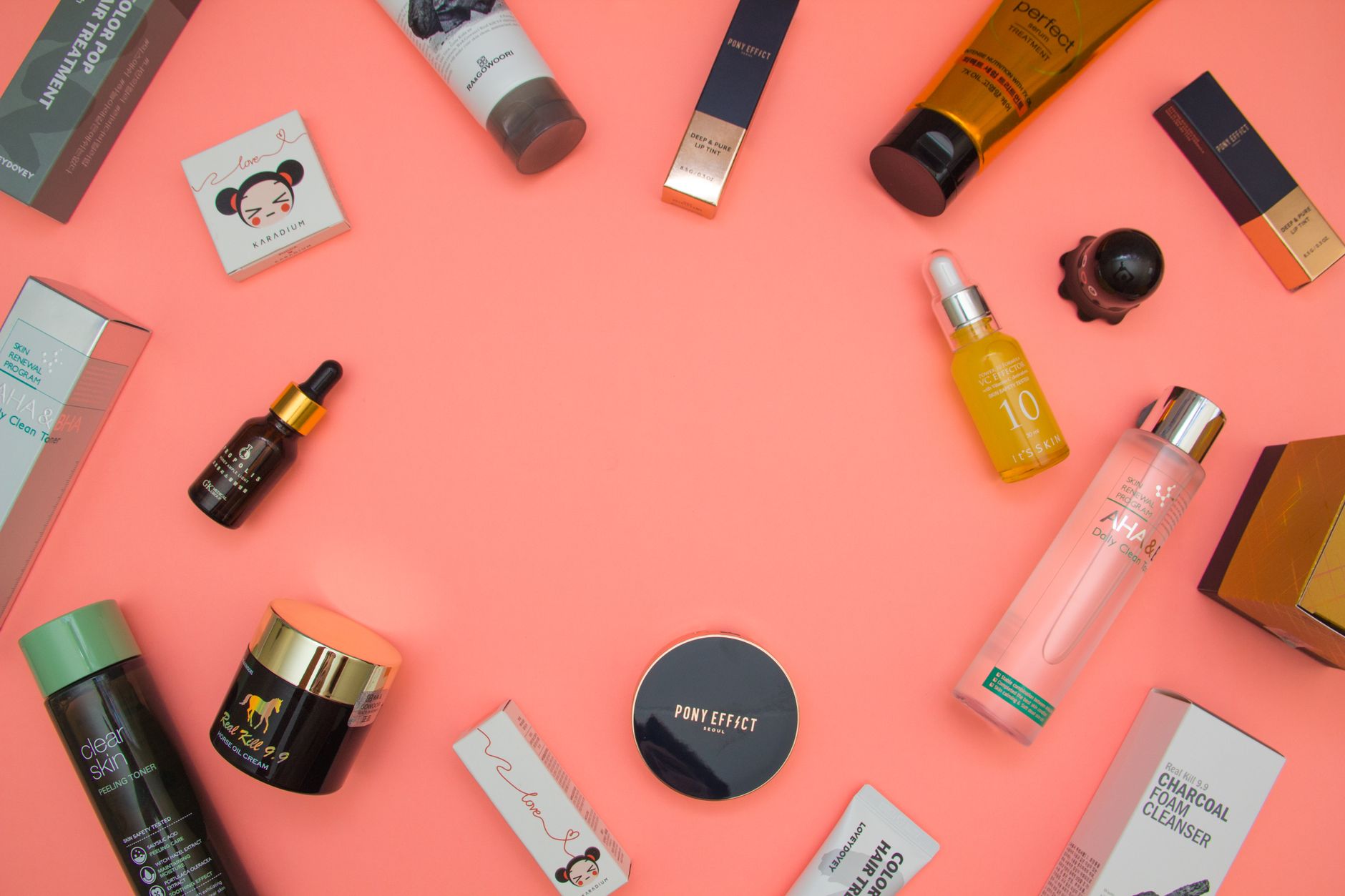
Korean skincare acne means breakouts linked to layered Korean-style routines, not a separate disease. Evidence supports standard acne drugs for clearing pimples, sets limits for cica and snail mucin, and points to simpler routines as the next step.
Readers often add essences, sheet masks, and occlusives for glass skin. That phrase describes dewy, smooth-looking skin. More layers can trap oil and irritate acne-prone skin.
Medical information disclaimer: This article is for general educational purposes only and does not provide medical advice, diagnosis, or treatment. Always consult a physician or other qualified health professional about symptoms, medications, tests, or treatment decisions.
Table of Contents
- Which treatments have the strongest support?
- What can popular K-beauty ingredients do?
- Which safety warnings matter?
- How should you change a routine that breaks you out?
Which treatments have the strongest support?
The American Academy of Dermatology gives strong backing to key acne drugs, as reported by Dermatology Times in evidence-based acne recommendations. The list covers topical benzoyl peroxide, retinoids, antibiotics and combinations, plus oral doxycycline and oral isotretinoin for severe acne and scarring. Retinoids are vitamin A-based gels that unclog pores. Doxycycline is an oral antibiotic pill, and isotretinoin is a strong oral drug reserved for severe cases. The U.S.
Food and Drug Administration permits specific OTC strengths as safe and effective when labeled, described in the topical acne monograph rule. Allowed ranges cover benzoyl peroxide 2.5-10%, salicylic acid 0.5-2%, and sulfur 3-10%. Salicylic acid is a pore-clearing acid, and sulfur dries excess oil. Start with one proven active and follow label directions. Adding three new serums at once hides which product helps or harms. Keep the base routine gentle and steady.
What can popular K-beauty ingredients do?
Practical Dermatology cites a 1995 trial where 4% niacinamide gel worked comparably to 1% clindamycin, with 82% of users improved after eight weeks. Niacinamide is vitamin B3 used for oil and redness, and it carries no antibiotic-resistance risk. It suits readers who want a non-antibiotic helper alongside proven care. Dr. Rachel Ho's review notes centella asiatica shows anti-inflammatory and wound-healing signals, including less redness after laser in a 30-person placebo-controlled trial.
Cica is another name for centella, sold as a calming extract. Reviews still find high-quality proof for acne lacking, so treat it as comfort care, not a clearer. A Marketing or Science evidence review finds no large human randomized trial proving snail mucin treats acne, heals wounds, or fades scars. A randomized trial is a human test that compares treatment against control. Existing support comes mainly from lab-cell, animal, and small hydration studies, which matter less for pimples.
Which safety warnings matter?
LiVDerm reporting on FDA results covers testing of 95 benzoyl peroxide products. Over 90% had undetectable or very low benzene, and six elevated lots were voluntarily recalled. Benzene is a chemical contaminant, not an intended ingredient. The reported risk was very low, but check recall notices and store products cool and sealed. Health Canada's safety review identified 131 reports of serious hypersensitivity to benzoyl peroxide or salicylic acid products.
Hypersensitivity means sudden allergy-type reaction with swelling or breathing trouble. Health Canada concluded the evidence supports a link to serious allergic reactions. Patch-test a new active on one small area before full-face use. Stop and seek care for hives, lip or eye swelling, wheeze, or faintness. Rinse off irritating products and keep routine simple while skin calms.
How should you change a routine that breaks you out?
Dermatology Times reporting on EADV Congress 2026 describes a review of 38 viral Korean-skincare and glass-skin videos in misleading TikTok skincare findings. In that report, nearly 95% had at least one misleading claim. The same report notes 84% ignored skin-type differences, and followers had 28% acne onset or worsening. Viral layering often ignores oily, acne-prone needs.
Strip the routine to a testable base for two weeks. Add back only one proven active at a time. See a clinician promptly for nodules, scarring, or acne that spreads despite simple care. Bring a list of every product you use.
- Use gentle cleanser, light moisturizer, and sunscreen only for two weeks.
- Add one proven acne active at label strength.
- Stop layering extra essences, oils, and masks until breakouts settle.
- See a dermatologist for painful, scarring, or persistent acne.